Boiler Repair Basics: Troubleshooting, Costs, and Safety Tips
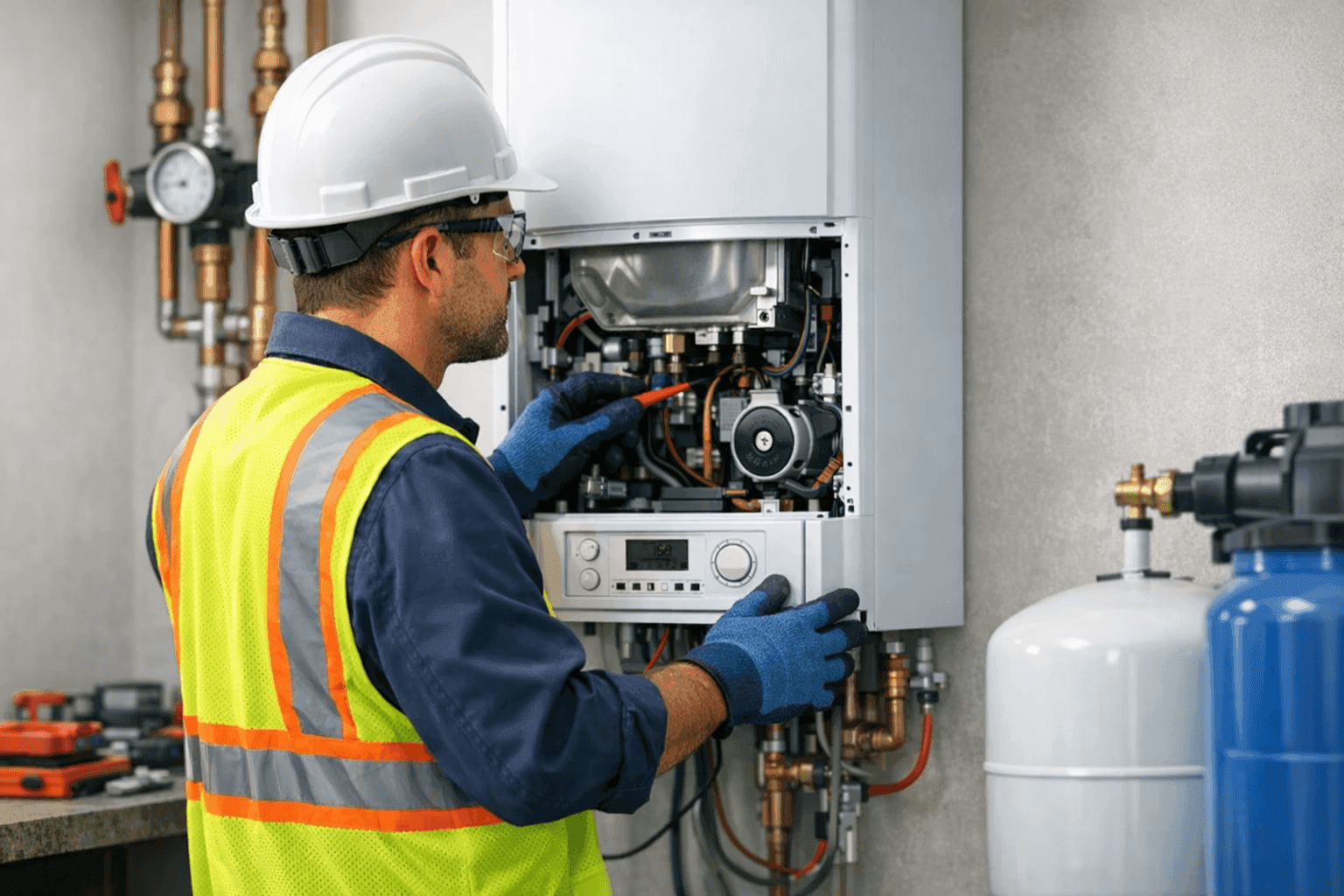
When your boiler stops working, the chill sets in fast. Suddenly, hot showers and cozy rooms are out of reach, and stress rises with every cold tap. At Splash Plumbing, we understand how disruptive boiler issues can be—at home or at work. That’s why we’re here to guide you through the basics of troubleshooting, repair costs, and most importantly, staying safe.
Whether you’re a homeowner or manage a commercial property, knowing how to spot problems early and when to call in a professional can make all the difference. Let’s break down the essentials, step by step.
Identifying Boiler Problems 🔎
Boilers don’t usually fail quietly. They send out distress signals, like a car sputtering before it stalls. Here are the most common warning signs:
- No heat or hot water: The most obvious—and urgent—red flag.
- Strange noises: Banging, whistling, or gurgling from pipes or the boiler itself.
- Leaks: Pools of water near the unit or dripping from pipes.
- Pressure loss: The pressure gauge drops below the recommended range (usually 1–2 bar).
- Pilot light goes out: On older boilers, a blown-out pilot can mean several things.
If you notice any of these, don’t ignore them. Small issues can escalate quickly, especially in the depths of winter.
Quick Safety Checklist Before You Begin
Safety first. Boilers combine water, heat, and—often—gas. That’s a trio you don’t want to take chances with.
- Smell gas? Leave the building immediately. Call your gas provider from outside.
- Carbon monoxide warning: If your CO alarm sounds, ventilate the area and exit.
- Turn off power: Before inspecting, switch off the boiler at the main panel.
- Wait for cool-down: Never touch hot pipes or an active boiler.
- Check for visible leaks: Water around the unit can mean electrical hazards.
Local and national codes, like those from the International Association of Plumbing and Mechanical Officials (IAPMO), stress these steps for a reason. Don’t skip them.
DIY Troubleshooting Steps
Some boiler hiccups are minor. Others are not. Here’s what you can safely try:
- Check the thermostat: Is it set correctly? Sometimes, it’s just a bumped dial.
- Reset the boiler: Many models have a reset button—consult your manual.
- Inspect the pressure gauge: If it’s too low, you may be able to repressurize using the filling loop (follow manufacturer instructions).
- Bleed radiators: Cold spots? Air might be trapped in your system.
- Look for error codes: Modern boilers display codes you can reference in your manual.
If the problem persists, don’t push your luck. Boilers are not forgiving to guesswork.
When to Call a Professional
Some repairs are best left to those with the right tools and training. Here’s when to pick up the phone:
- You hear persistent banging or kettling (like a boiling kettle).
- There’s a visible leak or rust on pipes.
- The pilot light won’t stay lit, or you see yellow flames.
- You suspect a gas or carbon monoxide issue.
For more complex issues—especially involving gas lines or internal components—boiler repair services ensure repairs are done safely and up to code.
What to Expect When the Pros Arrive
A qualified plumber will:
- Inspect the boiler and surrounding systems.
- Test for gas leaks and carbon monoxide.
- Check water pressure and flow rates.
- Examine electrical connections and safety controls.
- Diagnose error codes and faulty parts.
Depending on the problem, repairs can take anywhere from an hour for a simple fix to a full day for major part replacements.
Common Boiler Problems Explained
Let’s dig deeper into the four most frequent headaches:
1. No Heat or Hot Water
This could be a broken diaphragm, failed motorized valve, or issues with the thermostat. Sometimes it’s just low pressure or air in the system.
2. Strange Noises
Banging and whistling often signal limescale buildup (especially in hard water areas) or trapped air. Gurgling may point to frozen pipes in winter.
3. Leaks and Drips
Corrosion, faulty seals, or pressure issues can all cause leaks. Even a small drip should be checked—water and electricity don’t mix.
4. Pressure Loss
Regularly topping up the pressure? You might have a leak or faulty pressure relief valve. Persistent pressure loss needs professional attention.
Safety & Professional Repairs 🛠️
Boilers are powerful, but they’re also potential hazards. Here’s how to keep your property—and everyone in it—safe:
- Carbon monoxide risks: CO is odorless and deadly. Annual inspections and working CO alarms are non-negotiable.
- Gas safety checks: Only licensed professionals should handle gas lines or burner repairs. Splash Plumbing’s team follows all state and federal safety guidelines.
- Electrical safety: Water and electricity are a dangerous mix. Don’t open panels or attempt wiring fixes yourself.
Regular gas safety checks are a smart investment for every property.
Estimating Boiler Repair Costs
Repair costs can vary widely:
- Minor fixes: Replacing a thermostat or valve might cost less than a night out.
- Major repairs: Heat exchanger or pump replacement can be several hundred dollars.
- Emergency calls: After-hours or urgent repairs may include extra fees.
Ask for a clear estimate before work begins. Many repairs are completed within a few hours, but parts availability and complexity can extend timelines.
Preventing Future Boiler Breakdowns
An ounce of prevention is worth a pound of repairs. Here’s what helps:
- Annual maintenance: A yearly service can catch issues before they become emergencies.
- Regular bleed and pressure checks: Keeps your system running smoothly.
- Water quality: Hard water accelerates limescale. Water filtration systems can help.
- Timely leak repairs: Fixing small leaks quickly prevents bigger problems.
Preventative maintenance isn’t just a checklist—it’s peace of mind.
When It’s an Emergency
Some situations can’t wait:
- Sudden loss of heat during a cold snap.
- Visible gas leaks or strong odors.
- Water pouring from the boiler or pipes.
If you’re in our Denver service area, rapid response is available—day or night.
Seasonal Considerations for Boiler Care ❄️
Winter brings extra strain. Frozen pipes, increased demand, and power outages all test your boiler’s limits. Before the cold hits:
- Schedule a pre-winter inspection.
- Insulate exposed pipes.
- Test your system early, not on the first freezing night.
Spring and summer are ideal for routine maintenance—don’t wait for the next cold front.
Common Mistakes to Avoid
- Ignoring small leaks: They rarely stay small.
- Skipping annual checks: Out of sight, out of mind is a recipe for disaster.
- DIY gas repairs: Always call a professional for anything involving gas.
Boiler Repair Timelines and Disruption
Most repairs are completed the same day. Larger jobs—like heat exchanger replacement—may require ordering parts. Your plumber should explain what’s needed and how long it will take.
Plan for some downtime, especially if your system needs to be fully drained or tested.
Materials and Equipment Used in Repairs
Professionals use:
- Certified replacement parts (OEM or approved equivalents)
- Specialized tools for pressure testing, leak detection, and diagnostics
- Safety equipment for gas and electrical work
Always ask about the parts being installed and keep records for future reference.
FAQ: Boiler Repair and Maintenance
How often should I service my boiler?
Once a year, ideally before winter.
Is it safe to repressurize my boiler myself?
If your manual allows it and you’re comfortable. If unsure, call a plumber.
How do I know if my boiler is leaking carbon monoxide?
Install a CO alarm near the boiler. If it sounds, exit immediately and call for help.
What should I do if my boiler keeps losing pressure?
Check for visible leaks, but call a professional if the issue continues.
The Value of Annual Boiler Inspections
Routine inspections catch small problems before they turn into big expenses. They also protect your family or tenants from hidden dangers like carbon monoxide. The National Fire Protection Association (NFPA) recommends annual checks for all fuel-burning appliances.
Ready for Reliable Boiler Repairs?
Boiler trouble doesn’t have to mean disaster. With the right mix of vigilance, safety, and timely repairs, you can keep your property warm and worry-free. When in doubt, Splash Plumbing is here to help—day or night.
Call Splash Plumbing now — or reach us anytime at 877-879-0650 .