What Is Backflow and How Can You Prevent It?
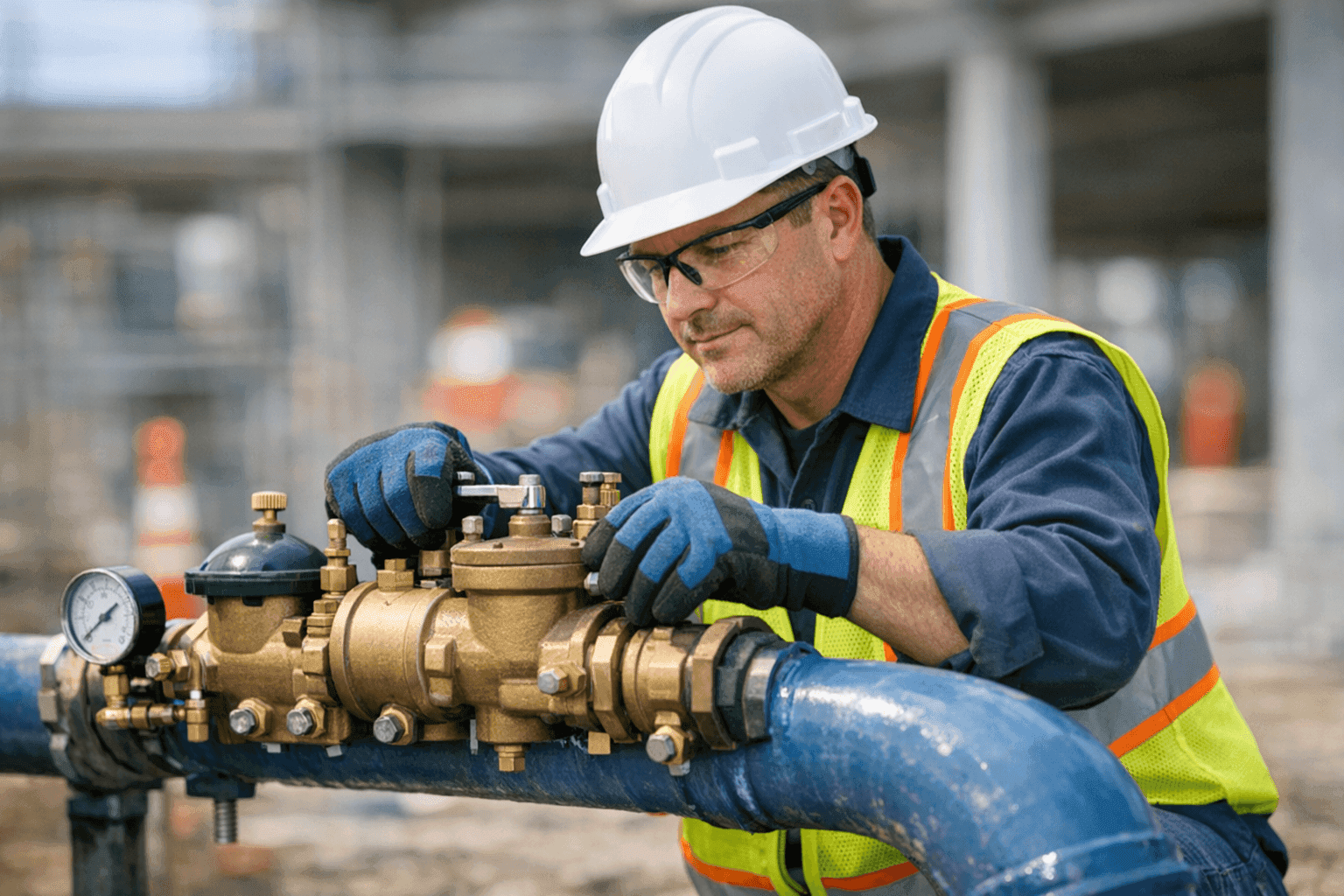
Water is supposed to flow one way: clean, fresh, and safe. But sometimes, things go wrong. A sudden shift in pressure can cause dirty water to move the wrong direction—right into your drinking supply. This invisible plumbing threat is called backflow, and it can put both homes and businesses at risk.
At Splash Plumbing, we see what backflow can do. One small device’s failure can have big consequences. That's why we’re serious about stopping contamination at the source.
What Causes Backflow? 💧
Think of your plumbing system like a well-organized parade. Water is meant to march straight from the city supply into your pipes—never the other way around. Backflow is when the parade reverses, letting polluted water sneak back into the clean supply.
There are two main causes:
- Backpressure: This happens when the pressure in your pipes gets higher than the city’s supply. Imagine a hose connected to a chemical tank. If the tank’s pressure rises, it can push contaminated water backward.
- Backsiphonage: Like sipping through a straw, a sudden drop in supply pressure (from a main break or heavy water use) can suck dirty water back into the system.
Everyday situations can trigger these problems. Firefighters using hydrants, a burst water main, or even a garden hose left in a puddle. For businesses—restaurants, salons, apartment buildings—the stakes are even higher, with more complex plumbing and stricter regulations.
Why Is Backflow Dangerous?
Backflow isn’t just a plumbing nuisance. It’s a direct threat to health. Contaminants like fertilizers, cleaning chemicals, bacteria, or even sewage can enter the drinking supply. The results can be severe, from minor illnesses to major outbreaks.
- Residential risk: Family members—especially children and seniors—can be affected by contaminated tap water.
- Commercial risk: One backflow incident can force business closures, trigger health code violations, or damage your reputation.
The Environmental Protection Agency (EPA) and local plumbing codes require backflow prevention for a reason: clean water is non-negotiable.
Backflow Prevention Devices: How They Work
A backflow prevention device is like a one-way gate. It lets clean water in, but slams shut if anything tries to reverse. There are several types, each suited for different risks:
- Atmospheric Vacuum Breakers (AVB): Simple, reliable, often used for irrigation.
- Pressure Vacuum Breakers (PVB): Good for outdoor systems and commercial uses.
- Double Check Valve Assemblies (DCVA): Offers solid protection for moderate hazards.
- Reduced Pressure Zone (RPZ) Assemblies: The gold standard for high-risk sites (hospitals, factories).
Choosing the right device depends on your property, local codes, and what’s at stake. A backflow prevention device isn’t a DIY project—installation must meet strict standards, often with permits and inspections.
Learn more about selecting and installing the right device for your property through our backflow prevention solutions.
Signs You Might Have a Problem
Backflow itself is sneaky. But your plumbing may give you clues:
- Water tastes or smells odd
- Discolored tap water
- Visible debris or particles
- Sudden drop in water pressure
- Unexplained illness after using tap water
Don’t ignore these signs. Even if everything seems fine, annual testing is the only way to be sure.
Testing & Maintenance: Your First Line of Defense 🛠️
A backflow device is only as good as its last test. Regulators often require annual checks, especially for businesses and multi-family buildings. Testing involves specialized gauges and trained technicians.
- Annual testing: Required by law for most commercial properties and many residential setups.
- Regular maintenance: Catching leaks, corrosion, or mechanical failure before they threaten your water.
- Documentation: Keeping records for code compliance and insurance.
For detailed insight into testing procedures and scheduling, see our backflow testing service.
Why Professional Testing Matters
You wouldn’t trust your health to guesswork. The same goes for your plumbing. Certified testers use calibrated tools to check every valve and seal. They know what local codes demand—and how to fix issues fast.
- Legal compliance: Many cities and states require licensed professionals for installation and annual testing (see the Uniform Plumbing Code and local water authority rules).
- Health and liability: A failed test can expose you to legal action or shut down your business.
- Peace of mind: Knowing your water is safe for family, employees, and customers.
Common Mistakes That Can Lead to Backflow
Some of the worst backflow cases start with simple errors:
- Attaching a garden hose to a faucet without a vacuum breaker
- Skipping annual device testing
- DIY repairs that don’t meet code
- Ignoring signs of wear or leaks
Avoid these pitfalls by making prevention a routine part of your plumbing maintenance.
Quick Safety Checklist for Home & Business
- Know where your backflow device is located
- Schedule annual testing (mark your calendar!)
- Never submerge garden hoses in buckets or pools
- Install hose bib vacuum breakers outside
- Ask your plumber if your setup meets current code
When It’s an Emergency
If you suspect backflow—or notice discoloration, foul smells, or sudden illness—act fast. Turn off your main water valve and call a licensed plumber. For properties in Vineland, rapid local response is available whenever you need it.
Timeline and Disruption: What to Expect
Testing a backflow device usually takes less than an hour. Repairs or replacements can take longer, but a skilled plumber will minimize downtime. For businesses, testing is often scheduled outside peak hours to avoid interruption.
Costs and Time Factors
The price of backflow prevention varies. Annual testing is affordable, especially compared to the cost of contamination. Device installation costs depend on type and location, but the investment pays for itself in safety and compliance.
DIY vs. Call a Pro
You can check for warning signs, but backflow prevention and testing require licensed pros. This isn’t just about tools—it’s about knowing the law, protecting health, and documenting every step. Splash Plumbing’s certified technicians get the job done right the first time.
Preparing for Service
Before your testing appointment:
- Clear access to the device
- Know your water shut-off locations
- Gather any past reports or device records
Being ready helps the job go smoothly, with less disruption for you.
Seasonal Considerations
Extreme weather can stress your plumbing system. Freezing and thawing can damage devices, while heavy rains can overwhelm backflow assemblies. Seasonal checkups are a smart part of preventative maintenance for both homes and businesses.
Frequently Asked Questions
Q: Is backflow really that common?
A: It’s more common than you might think, especially in older properties or where maintenance is overdue.
Q: Who is responsible for testing?
A: Property owners are typically responsible, but tenants should stay informed and report issues.
Q: Are there penalties for non-compliance?
A: Yes. Fines, service interruptions, or even closure for businesses.
Q: How can I be sure my property is protected?
A: Schedule annual inspections and talk to your plumber about your specific risks.
Backflow is invisible, but its impact is real. Protect your water, your health, and your peace of mind by making prevention a priority.
Call Splash Plumbing now — or reach us anytime at 877-879-0650 .