Preventing Winter Plumbing Emergencies: Pipes, Heaters & More
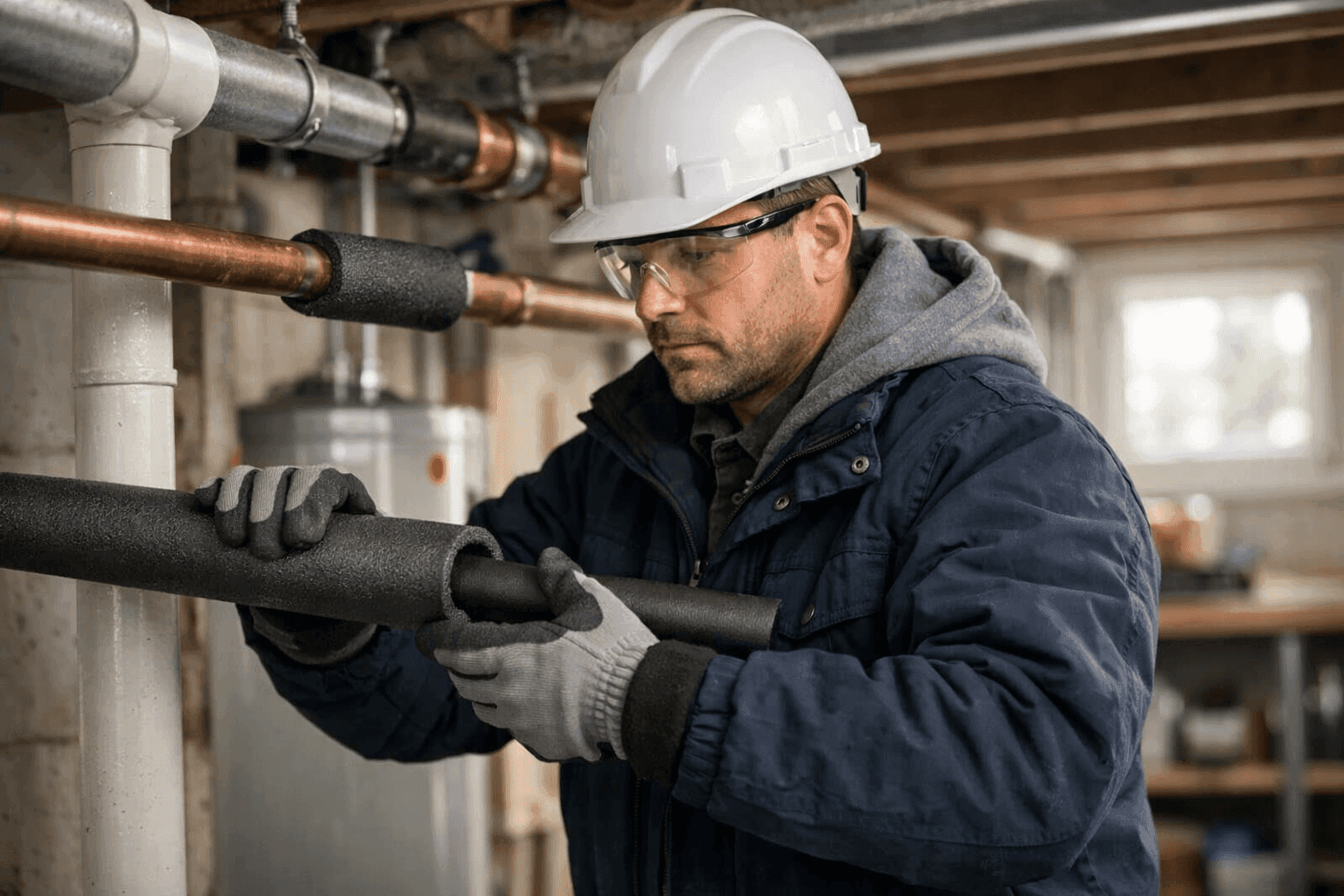
When winter’s cold snap arrives, your plumbing doesn’t just work harder—it faces real threats. Frozen pipes, water heater failures, and sudden leaks can turn a cozy snow day into a costly mess. Whether you own a home or run a business, winter plumbing emergencies don’t give much warning.
At Splash Plumbing, we’ve seen firsthand how a little preparation can save a lot of stress. Let’s break down what you need to know to keep your pipes and water heaters safe this winter—before emergency strikes.
Why Winterization Matters ❄️
When temperatures drop below freezing, water in your pipes can become a ticking time bomb. As it expands, pressure builds—sometimes enough to crack metal or PVC like a twig underfoot. A burst pipe can dump hundreds of gallons in minutes, soaking floors and walls and closing businesses for days.
It’s not just about pipes. Water heaters work overtime in the winter, and sump pumps stand guard against melting snow and ice dams. Small oversights—like an uninsulated crawlspace or a forgotten hose—can multiply the risk.
Risks for Homes and Businesses
- Homes: Basements, attics, and crawlspaces are the usual suspects for frozen pipes. Vacation homes or rental properties left unoccupied face extra risk.
- Businesses: Unheated warehouses, exterior walls, and commercial kitchens with complex plumbing are all vulnerable.
- Shared buildings: One freeze can affect multiple units, especially in older constructions.
The National Association of Home Builders notes that water damage from burst pipes is among the most common insurance claims every winter.
How to Insulate Pipes: First Line of Defense
Think of pipe insulation as a warm coat for your plumbing. It won’t stop the cold, but it buys critical time.
Where to Focus
- Exposed pipes in basements, garages, crawlspaces, and attics
- Pipes along exterior walls or under sinks set against outside walls
- Outdoor spigots and hose bibs
Insulation Types
- Foam pipe sleeves: Easy to install, available at hardware stores
- Fiberglass wrap: Best for extreme cold, but itchy—wear gloves!
- Heat tape: Electrically warms pipes; must be installed according to manufacturer’s instructions and local codes
Installation Tips
- Cut insulation to length, then wrap it snugly—no gaps.
- Secure with zip ties or tape. Don’t compress too tightly, or you’ll reduce its effectiveness.
- For outdoor faucets, use insulated covers after draining.
If you’re not sure which pipes are at risk, a professional inspection can map out your home’s weak spots.
Draining Outdoor Faucets and Hoses
Outdoor plumbing is winter’s easiest target. Forgetting just one hose or faucet can lead to a split pipe inside the wall.
The Checklist
- Disconnect and drain all garden hoses. Store indoors if possible.
- Shut off water to exterior faucets from inside, if your house has a shutoff valve.
- Open the faucet to drain remaining water.
- Install an insulated faucet cover.
Commercial properties with irrigation systems may need full winterization—a service many businesses schedule every fall.
Protecting Water Heaters
A water heater in winter is like a car on a cold morning: it needs attention to perform safely.
Maintenance Tasks
- Flush the tank: Sediment buildup acts like a cozy blanket—forcing your heater to work overtime and increasing the risk of failure.
- Check the pressure relief valve: It should release water when lifted slightly. If not, it’s time for repair or replacement.
- Insulate the tank: An insulating blanket (made for water heaters) helps retain heat, especially on older models.
- Inspect for leaks: Look around the base for pooling water or rust. These are early warning signs.
If your system is older or performance is lagging, consider Water Heater Installation near you before you’re left with icy showers.
Testing Sump Pumps and Drainage Systems
Melting snow and winter rain can overwhelm your sump pump. A quick test now can prevent a basement flood later.
Steps:
- Pour a bucket of water into the sump pit. The pump should kick on and drain it away.
- Listen for odd noises or vibrations.
- Check the discharge pipe outside to ensure water flows away from your foundation.
If you notice slow drainage or hear grinding sounds, repairs may be needed before the next storm.
Emergency Protocols for Freezes 🚨
Despite your best efforts, cold snaps can surprise even the most careful property owners.
If a Pipe Freezes:
- Turn off the main water supply. This limits flooding if the pipe bursts.
- Open nearby faucets to relieve pressure.
- Gently warm the frozen section with a hair dryer—never a blowtorch or open flame.
- If you see cracks, leaks, or water stains, don’t wait. Immediate emergency plumbing help is essential to prevent major water damage.
Early Warning Signs of Trouble
Catch problems early and you might save yourself a huge headache.
Watch for:
- Unusual drop in water pressure
- Gurgling drains or slow sinks
- Water spots or stains on ceilings and walls
- Frost on exposed pipes
- Noisy water heater or frequent resets
If you notice any of these, a timely inspection can reveal problems before they escalate.
The Hidden Costs of Waiting
A small leak or slow drain might seem minor in December. By February, it could become a major repair, costing thousands. Flooded basements can damage electrical systems, flooring, and even business inventory. Insurance may cover some costs, but downtime is rarely reimbursed fully.
DIY vs. Professional Plumbing: Where to Draw the Line
Some winter prep tasks are weekend projects; others are best left to the pros.
Safe DIY:
- Installing foam insulation on accessible pipes
- Draining hoses and covering outdoor faucets
- Testing sump pumps
Call a Pro For:
- Insulating hard-to-reach or complex pipe runs
- Water heater flushing or repair
- Detecting hidden leaks and mold
- Gas line safety checks
Building codes and safety standards (such as those published by the International Association of Plumbing and Mechanical Officials) often require professional installation or inspection for certain repairs.
What Splash Plumbing Pros Do On Arrival
When you call for winter emergency service, our team arrives ready.
- Shut down water and power safely
- Locate and repair pipe breaks, even behind walls or underground
- Inspect for secondary damage (mold, electrical, structural)
- Advise on prevention to keep it from happening again
Throughout, we keep you informed so you know exactly what’s happening in your home or business.
Preparing for Plumbing Service
A little preparation can speed up repairs:
- Know where your main shutoff valve is (and test it once a year)
- Clear access to affected areas—move boxes, furniture, or equipment if safe
- Make a note of any odd symptoms you’ve noticed: noises, odors, drops in pressure
If you’re in the region, you can find more local insights on winter plumbing needs in Enfield’s seasonal plumbing checklist.
Common Mistakes to Avoid
- Ignoring minor leaks—these can freeze and worsen fast
- Leaving garage doors open overnight (exposes pipes to cold air)
- Forgetting to check vacation homes or unused buildings
- Skipping annual water heater maintenance
Timelines and Disruption: What to Expect
Most pipe insulation or water heater checks take just a few hours. Emergency repairs can last longer—especially if water damage is involved. Businesses may face downtime, but quick action can minimize the impact.
Materials and Equipment
- Foam pipe sleeves and insulating tape
- Water heater blankets
- Sump pump test buckets
- Flashlights and shutoff wrenches
Always choose materials rated for your climate and follow installation guidelines. For larger jobs or hard-to-reach areas, professional-grade tools make all the difference.
Seasonal Considerations for Commercial Properties 🏢
- Schedule plumbing inspections before peak cold hits.
- Insulate pipes in stairwells, loading docks, and kitchens.
- Ensure staff know emergency shutoff procedures.
A winter walk-through with a licensed plumber can spot trouble areas unique to your layout.
Preventative Maintenance: Your Year-Round Ally
Winterization isn’t a one-time job. Regular maintenance—like checking for leaks, clearing drains, and testing water heaters—keeps your plumbing resilient all year. Keep a maintenance log to track repairs and inspections.
Frequently Asked Questions
How cold does it have to get for pipes to freeze?
Most pipes are at risk when temperatures drop below 20°F (-6°C), especially if uninsulated or exposed.
Can I thaw frozen pipes myself?
Small sections can be thawed with warm air, but never use open flames. If you suspect damage, call a pro.
Is winterization different for businesses?
Commercial properties often have more complex plumbing and need tailored solutions—especially for large or multi-story buildings.
Don’t let a frozen pipe or broken heater ruin your winter. Call Splash Plumbing now — or reach us anytime at 877-879-0650 .