Water Heater Installation: What Homeowners Need to Know
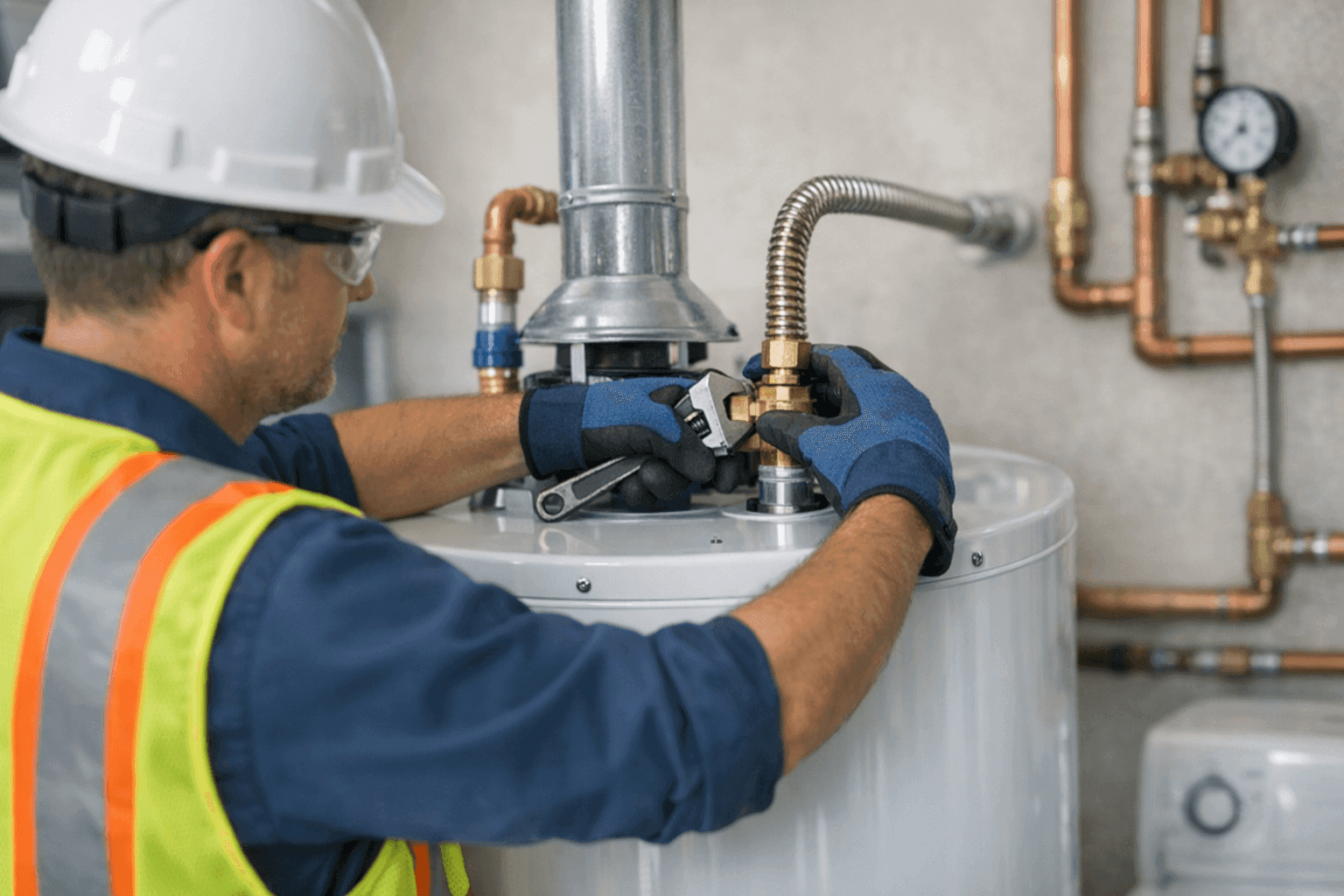
When your morning shower turns cold, it’s more than just an inconvenience. It’s a sign your water heater might be ready for retirement—or at least some attention. Whether you’re replacing an old unit or planning a new install, understanding the process can help you avoid unexpected headaches and costly mistakes.
At Splash Plumbing, we know that water heater installation is a big decision for both homeowners and businesses. Plumbing projects touch every corner of your home, and getting it right means comfort, safety, and savings for years to come.
Choosing the Right Water Heater ⚡
Picking a water heater isn’t just about picking a box off a shelf. It’s more like choosing a new member for your household team—one that quietly does its job, day after day.
Tank vs. Tankless:
- Tank water heaters store and heat a set amount of water, ready when you need it. They’re reliable, familiar, and often less expensive up front.
- Tankless water heaters heat water on demand. They’re compact, energy-efficient, and can provide endless hot water—but may cost more initially.
Key factors to consider:
- Household size: More people means more hot water demand.
- Fuel type: Gas, electric, or hybrid systems each have pros and cons.
- Energy efficiency: Look for ENERGY STAR® ratings and check the yellow EnergyGuide label.
- Space: Tankless models save room, but installation may require upgrades to gas lines or electrical systems.
A great water heater fits your daily routine and your budget. The U.S. Department of Energy offers detailed guidance on efficiency ratings and sizing if you want to dig deeper.
Installation Steps: What Really Happens
Installing a water heater is a little like conducting an orchestra—every part needs to be in tune for the music to work. Here’s how the process typically unfolds:
- Assessment:
The plumber evaluates your current system, water needs, and home layout. This includes checking venting, gas lines, and electrical connections. - Removal:
The old unit is safely disconnected and hauled away. Proper disposal is crucial—water heaters can contain hazardous materials. - Preparation:
Plumbing and electrical/gas lines are adjusted or upgraded as needed. This might mean new shut-off valves or expansion tanks. - Installation:
The new heater is set in place, leveled, and connected. For gas systems, special attention is given to leak checks and proper venting. - Testing:
The system is filled, bled of air, and tested for leaks. The thermostat is set, and everything is checked for safe operation. - Cleanup:
No one wants a mess left behind. A good plumber leaves the workspace tidy and safe.
If you’re considering professional water heater installation, these are the steps your plumber should follow, in line with local building codes and safety standards.
Professional vs. DIY Installation
It’s tempting to see DIY as a way to save money. But water heater installation is like juggling flaming torches—one misstep can cause serious problems.
DIY Risks:
- Gas leaks, electrical hazards, and water damage are real dangers.
- Improper installation can void warranties and insurance.
- Local building codes often require a licensed plumber.
When to Call a Pro:
- If your install involves gas lines or major electrical work.
- When local regulations demand a permit or inspection.
- If you’re unsure about venting, drainage, or code compliance.
A licensed plumber brings not just tools, but years of experience and up-to-date knowledge of plumbing codes. According to the International Association of Plumbing and Mechanical Officials (IAPMO), compliance with the Uniform Plumbing Code is critical for safety and efficiency.
Quick Safety Checklist 🛑
Before any installation, run through these must-dos:
- Turn off power and water to the old unit.
- Check for gas leaks with a soap-and-water solution.
- Make sure the area is well-ventilated.
- Use proper lifting techniques—water heaters are heavy!
- Have a fire extinguisher nearby, just in case.
These steps aren’t just “nice to have”—they’re essential for keeping your home and family safe.
Understanding Building Codes and Permits
Plumbing codes are like the rules of the road. They keep everyone safe and help prevent disasters before they start.
Key points:
- Most cities require a permit for water heater installation.
- Code covers venting, seismic strapping, pressure relief valves, and more.
- Inspections ensure your install meets safety standards.
Skipping permits may seem faster, but it can lead to fines or trouble selling your home later. Always check with your local authority or ask your plumber about requirements.
Energy Efficiency and Cost Factors
A new water heater is a long-term investment. Energy-efficient models can save hundreds of dollars over their lifetime. Look for:
- High Energy Factor (EF) ratings: Higher is better.
- Proper insulation: Reduces standby heat loss.
- Smart controls: Some units let you program water heating for off-peak hours.
Don’t forget to factor in installation costs, potential upgrades to gas lines or wiring, and ongoing maintenance. Over time, a slightly higher up-front price can mean big savings on your utility bills.
Common Mistakes to Avoid
Even seasoned DIYers can trip up here. Watch out for:
- Skipping the expansion tank (required in many areas).
- Forgetting to install a drain pan (especially in attics or upper floors).
- Failing to check for leaks at every connection.
- Setting the thermostat too high (120°F is usually plenty).
These missteps can lead to water damage, scalding, or even carbon monoxide risks.
Signs of Trouble After Installation
Sometimes, problems don’t show up until after the job is done. Keep an eye out for:
- Water pooling around the base.
- Strange noises like popping or rumbling.
- Lukewarm water or fluctuating temperatures.
- Error codes on digital displays.
If you notice any of these, check your warranty paperwork and review your water heater repair options for the next steps.
When It’s an Emergency
A burst water heater can flood a room in minutes. Gas leaks are even more serious. If you smell gas, shut off the supply, leave the area, and call emergency services before reaching out to a plumber.
For those looking for Goose Creek plumbing services, local help is available when you need it most, including after-hours emergencies.
Preventative Maintenance for Longer Life 🧰
A little care goes a long way. Annual maintenance can double the lifespan of your water heater. Here’s what to do:
- Flush the tank yearly to remove sediment.
- Test the temperature and pressure relief (TPR) valve.
- Inspect for leaks and corrosion.
- Check the anode rod and replace if needed.
Regular checkups help avoid surprise breakdowns and keep your system running efficiently.
Seasonal Considerations
Colder months put extra demand on your water heater. Insulate exposed pipes, especially in unheated spaces, to prevent freezing. If you’re planning a major install, spring or fall may offer the most comfortable working conditions.
Timeline and Disruption
How long does it take? Most installs can be done in half a day, but the timeline can stretch if upgrades or permits are required. Plan for a few hours without hot water, and clear a path to your utility area for easy access.
Preparing for Service
Before your plumber arrives:
- Clear the area around the old unit.
- Make sure pets and kids stay clear.
- Know where your main water shutoff is located.
Being prepared helps the job go smoothly and minimizes downtime.
Frequently Asked Questions
How long does a water heater last?
Most tank models last 8–12 years; tankless units can go 15–20 years with proper care.
Is a bigger tank always better?
Not necessarily. Oversized units waste energy. Match the size to your household’s peak demand.
Can I install my own water heater?
Some handy homeowners can, but most jurisdictions require a licensed plumber for safety and code reasons.
Final Thoughts: When to Call an Expert
Water heater installation blends plumbing, electrical, and gas know-how. The risks are real, but the rewards—a steady supply of hot water, lower bills, and peace of mind—are worth it.
If you’re considering upgrading or replacing your system, Splash Plumbing is here to help with every step, from selecting the right unit to ensuring safe, code-compliant installation. For reliable water heater installation services near you, count on our experienced team.
Call Splash Plumbing now — or reach us anytime at 877-879-0650 .