Drain Cleaning 101: DIY Methods vs. Professional Solutions
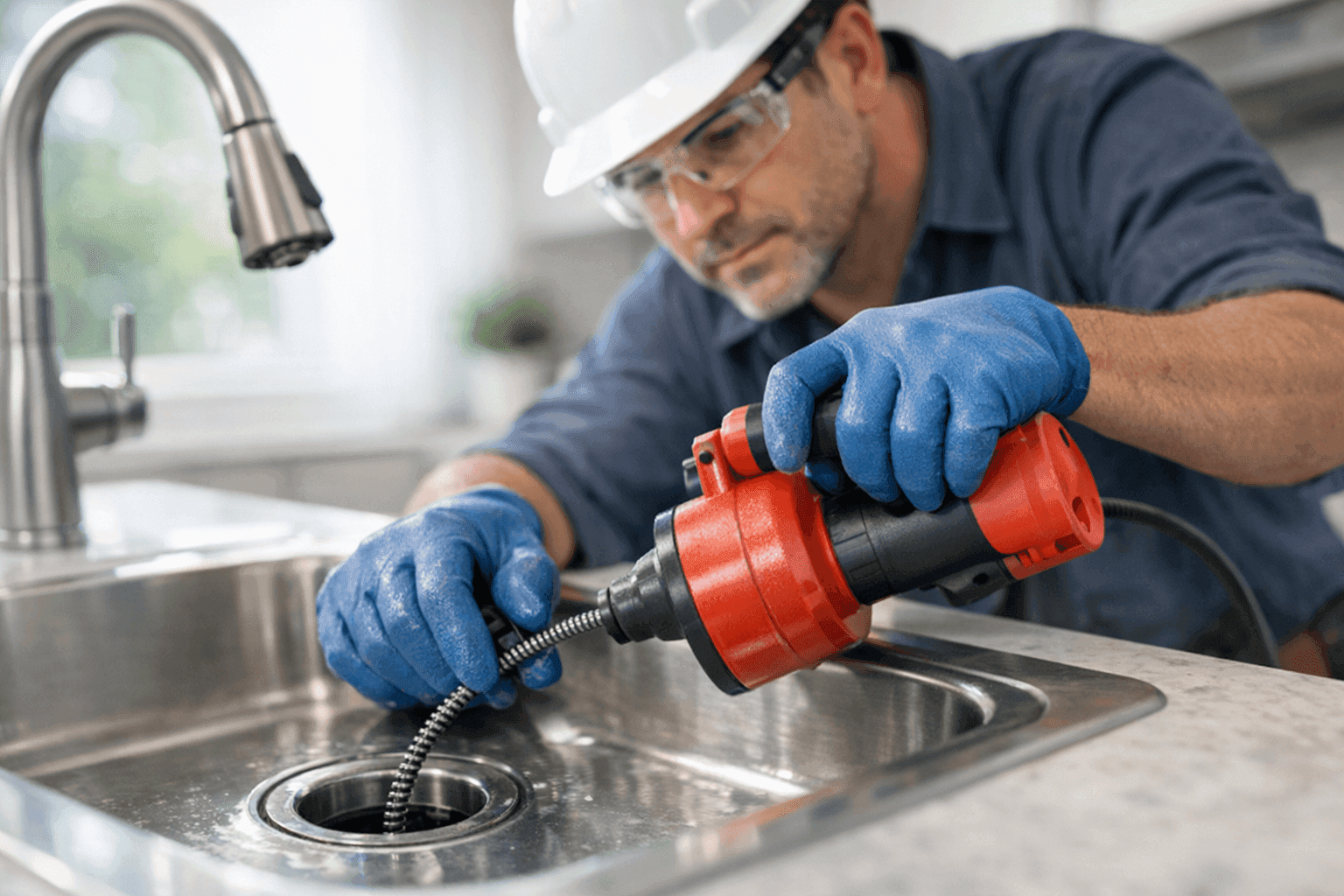
Have you ever stood ankle-deep in water, watching the sink drain slower than a snail on a rainy day? Or maybe you’ve tried every trick in the book, but that stubborn clog just won’t budge. We get it—drain trouble can turn a regular day into a plumbing headache fast.
At Splash Plumbing, we know that clear drains are the unsung heroes of both homes and businesses. Whether it’s a one-bathroom bungalow or a bustling commercial kitchen, keeping pipes flowing is what keeps life moving.
Common Causes of Clogs
Clogs rarely appear out of nowhere. Most often, they’re the result of daily habits—some you might not even notice:
- Grease and oil: Like cholesterol in arteries, fats solidify and narrow your pipes.
- Hair: A few stray strands become a net that traps everything else.
- Soap scum: Over time, it builds up, especially with hard water.
- Foreign objects: Kids’ toys, wipes, cotton swabs—if it fits, it’s probably been flushed.
- Tree roots: For underground pipes, roots seek out moisture and squeeze into tiny cracks.
Even the best plumbing can get bogged down by these usual suspects.
DIY Cleaning Methods 🧰
If your drain is slow but not fully blocked, you might be able to clear it yourself. Here’s what you can try—no superhero cape required:
The Boiling Water Trick
Simple, but surprisingly effective for grease or soap clogs. Carefully pour a kettle of boiling water down the drain in stages, waiting a few seconds between pours.
Baking Soda and Vinegar
A classic combo. Pour half a cup of baking soda, then half a cup of vinegar. Wait 15 minutes, then flush with hot water. This fizzy reaction can help loosen minor buildups.
Plunger Power
A good old-fashioned plunger can work wonders on sinks and tubs. Just make sure you have a tight seal and give it a few strong pumps.
Drain Snake
For tougher clogs, a hand-cranked drain snake (or auger) can break up blockages. Feed it gently into the drain and twist. Don’t force it—if you hit resistance, it might be time to stop.
Safety Warning: Chemical Cleaners
Chemical drain cleaners are tempting, but think twice. Many contain lye or acid, which can corrode pipes and harm the environment. If you must use them, always follow the manufacturer’s instructions, wear gloves, and ventilate the area. Never mix different chemicals.
When to Call a Plumber
Some drain problems are like icebergs—what you see is only a fraction of the issue. Call in the pros if you notice:
- Multiple drains clogging at once
- Water backing up into sinks, tubs, or toilets
- Foul odors that don’t go away
- Gurgling sounds from pipes
- Recurring clogs, even after DIY attempts
These signs can point to bigger issues, like a main sewer line blockage or damaged pipes. Professional plumbers use tools like camera inspections to pinpoint the problem and hydro-jetting to clear even the toughest blockages.
If you’re weighing your drain cleaning options, know that professional methods go far beyond what a plunger or snake can do.
The Problem with Recurring Clogs
If you find yourself unclogging the same drain every few weeks, you’re not alone. Sometimes, the real issue lies deeper—like a tree root invasion or a collapsed section of pipe. Quick fixes won’t solve these problems for long.
What Happens During a Professional Visit
When a plumber arrives, they’ll usually:
- Ask about the problem and check all affected fixtures.
- Run water to see how bad the blockage is.
- Use a camera to inspect the inside of your pipes.
- Decide on the best solution—sometimes hydro-jetting, sometimes a mechanical auger.
This process ensures nothing is missed and your pipes get the right fix the first time.
Emergency Drain Issues 🚨
A drain that’s slow is annoying. A drain that’s overflowing is an emergency. If you have water spilling onto the floor, sewage backing up, or a total blockage, don’t wait. Turn off the water supply if possible and call for help immediately.
For those who need fast response, Decatur plumbing services are available around the clock for urgent situations.
Long-Term Drain Maintenance
Keeping drains clear is a lot like brushing your teeth—routine care prevents big problems:
- Use drain screens to catch hair and debris.
- Never pour grease down the drain—collect it in a jar and toss it.
- Flush with hot water weekly to help dissolve early buildup.
- Schedule annual inspections—especially for older homes or commercial kitchens.
The Environmental Protection Agency (EPA) recommends regular maintenance to prevent costly sewage backups and protect water quality.
Environmental Best Practices 🌱
Choose eco-friendly cleaning methods whenever possible. Baking soda, vinegar, and manual tools are safer for your pipes and the planet. If you use a plumber, ask about water-efficient fixtures and responsible waste disposal.
Common Mistakes to Avoid
- Overusing chemical cleaners: They can eat away at pipes and harm septic systems.
- Ignoring slow drains: Small problems grow into big ones.
- DIYing deep blockages: You could damage pipes or push the clog further down.
Signs Your Pipes Need More Than Cleaning
Sometimes, the problem isn’t a clog—it’s a broken, corroded, or misaligned pipe. Watch for:
- Persistent leaks under sinks
- Water stains on walls or ceilings
- Unexplained spikes in your water bill
These may call for pipe repair or even repiping.
Seasonal Considerations
Spring rain and fall leaves can both lead to more clogs, especially in outdoor drains. In winter, freezing can cause pipes to crack, letting in roots or debris. Seasonal checkups can spot trouble before it starts.
Water Pressure and Drain Health
Low water pressure can signal a partial blockage, while high pressure can stress pipes. If you notice changes, it’s worth investigating before a minor issue becomes a major headache.
Preparing for a Service Visit
Clear the area around your sink, tub, or floor drain. Make a note of when the problem started and what you’ve already tried. This helps your plumber get straight to the root of the problem.
Frequently Asked Questions
Q: Are store-bought drain cleaners safe?
A: Use with caution. They can damage pipes and are not recommended for repeated use.
Q: How often should I clean my drains?
A: Preventative cleaning every few months is ideal, with professional checks yearly.
Q: What about flushable wipes?
A: Despite the name, they often cause clogs—best to toss them in the trash.
Conclusion
From a slow drain to a full-blown backup, knowing when to DIY and when to call in help can save you time, money, and stress. Safe habits and regular maintenance keep your plumbing flowing—so you can focus on what matters most.
Call Splash Plumbing now — or reach us anytime at 877-879-0650 .