Everything You Need to Know About Gas Line Installation & Safety
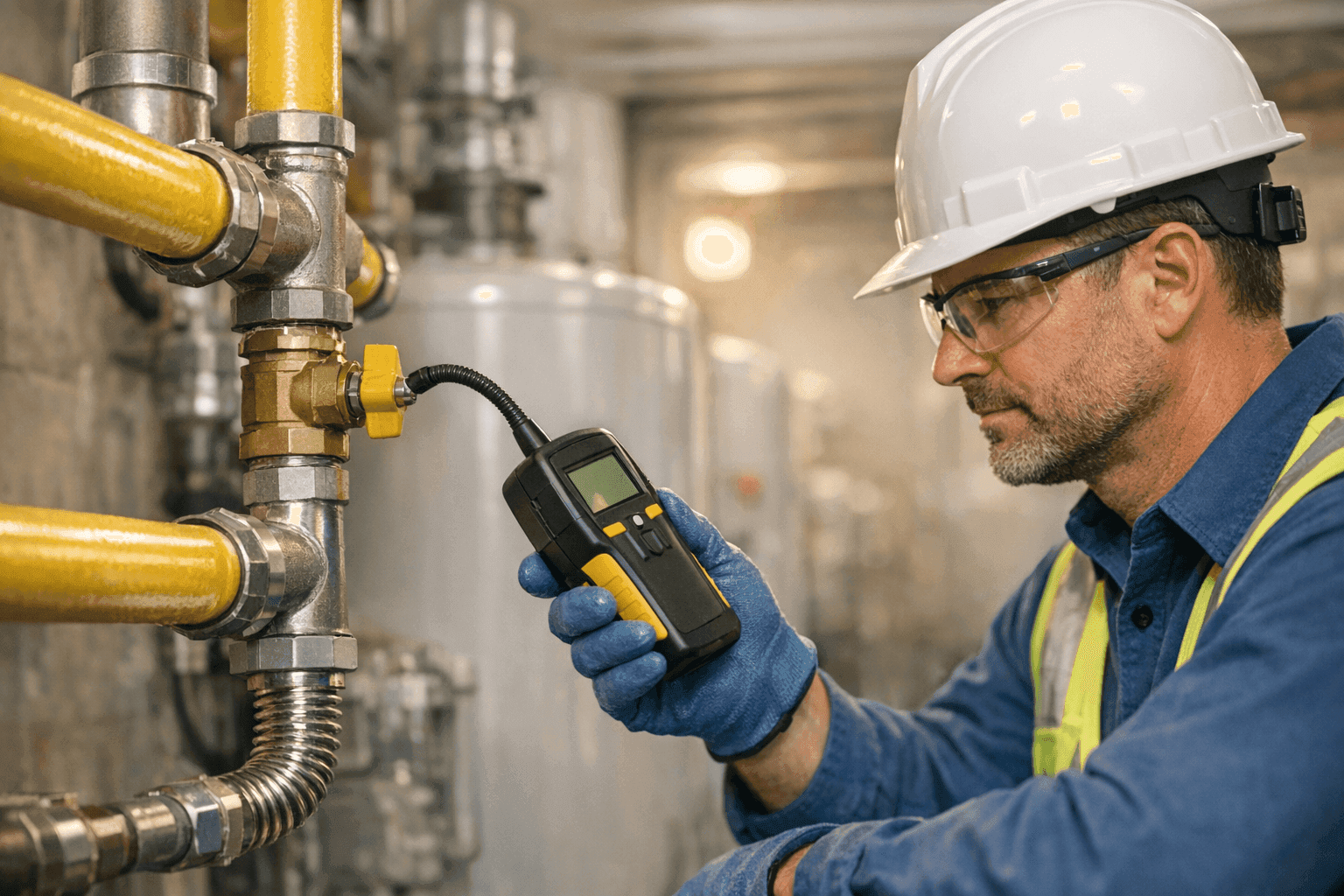
Gas lines are the invisible veins of your home or business. They quietly power water heaters, stoves, and boilers—until something goes wrong. One small leak can turn a regular day upside down, bringing real risk to your property and everyone inside.
At Splash Plumbing, we know gas line safety isn’t just a box to check. It’s a responsibility. Whether you’re upgrading appliances or responding to a sudden problem, understanding the basics of installation and safety can make all the difference.
Why Safe Gas Line Installation Matters 🛡️
Gas is a powerful ally—until it isn’t. Proper installation keeps your building humming along, but shortcuts or outdated lines can create hazards as serious as a spark in a hay barn.
Here’s why safety should always come first:
- Explosion and Fire Risk: A poorly installed or aging gas line can leak, feeding fuel to a fire or explosion.
- Health Hazards: Breathing in natural gas can cause headaches, dizziness, or worse.
- Code Compliance: Local and national codes (like the International Fuel Gas Code and NFPA 54) exist for good reason. They protect your investment and your peace of mind.
- Insurance Requirements: Many insurers require proof of professional gas line installation for coverage.
- Business Continuity: For commercial properties, a gas line failure can mean lost revenue and emergency shutdowns.
Installation Process Overview
Think of gas line installation as building a safe, invisible highway for energy. Here’s what happens step by step:
- Assessment: Every job starts with a full review of your property’s needs and layout.
- Permits and Planning: Licensed plumbers secure permits and design the safest, most efficient route.
- Material Selection: Only approved materials—like black steel or corrugated stainless steel tubing—are used.
- Installation: Pipes are cut, fitted, and sealed with meticulous care. Joints are checked and rechecked.
- Pressure Testing: Before anything is turned on, the new line is pressure-tested for leaks.
- Appliance Hookup: Appliances are connected and checked for proper operation.
- Final Inspection: Local authorities inspect the work to ensure every detail meets code.
If you’re considering an upgrade or new system, our gas line installation services are designed for safety from the ground up.
Key Warning Signs of Gas Line Problems
Gas lines rarely shout for attention, but they do whisper. Listen for these clues:
- Rotten Egg Smell: Natural gas is odorless, but a sulfur-like scent is added for safety.
- Hissing or Whistling: Unusual sounds near pipes or appliances.
- Dead Vegetation: Grass or plants dying above a buried gas line.
- Bubbles in Water: Standing water above a gas line that bubbles without explanation.
- Physical Symptoms: Headaches, nausea, or dizziness indoors.
- Unusually High Gas Bills: A sudden spike can signal a hidden leak.
Never ignore these signs. Small issues can spiral quickly.
Detecting Gas Leaks
You don’t need to be a detective to spot a gas leak—but you do need to act fast. Here’s what to do if you suspect trouble:
- Leave the Area: Don’t use electronics, flip switches, or create sparks.
- Shut Off the Gas: If safe, turn off the main gas valve.
- Call Emergency Services: Dial your utility provider and 911 from outside.
- Contact a Licensed Plumber: Only professionals should inspect and repair gas lines.
Plumbers use advanced tools like electronic sniffers and pressure gauges to pinpoint leaks. These tools are far more sensitive than the human nose.
Regular Safety Checks: Your Best Defense 🔍
Routine inspections are like annual checkups for your plumbing system. They keep small problems from growing teeth.
Why schedule regular gas safety checks?
- Catch Corrosion Early: Pipes can rust or degrade, especially in older buildings.
- Test for Leaks: Even tiny leaks can be dangerous.
- Ensure Code Compliance: Codes change—your system needs to keep up.
- Peace of Mind: Know your home or business is protected.
The National Fire Protection Association (NFPA) and local building codes recommend annual safety checks for commercial and multi-family buildings. Homeowners should also consider regular testing, especially in older properties.
DIY vs. Call a Pro
Changing a lightbulb? Go ahead. Fixing or installing a gas line? That’s a different story.
Why you should always call a licensed plumber:
- Permits and Code: Only professionals can pull required permits and guarantee code compliance.
- Specialized Tools: Leak detection and pressure testing require equipment you won’t find at the hardware store.
- Insurance and Liability: DIY work can void insurance or even lead to criminal charges if something goes wrong.
- Training: Licensed plumbers undergo extensive training and ongoing education.
If you’re tempted to tackle a project yourself, remember: gas isn’t forgiving. One mistake can have lasting consequences.
What Happens When Pros Arrive
When a Splash Plumbing technician arrives, here’s what you can expect:
- Credentials Check: Our plumbers carry up-to-date certifications and insurance.
- Thorough Assessment: We review your system, inside and out.
- Safety First: Immediate hazards are addressed before any work begins.
- Transparent Communication: You’ll get clear explanations, not jargon.
- Testing and Documentation: Every step is documented, from pressure tests to final inspections.
Prevention & Maintenance Tips
A little prevention goes a long way. Here’s how to keep your gas lines safe:
- Schedule Annual Inspections: Don’t wait for problems to appear.
- Keep Vents Clear: Blocked vents can cause dangerous gas buildup.
- Know the Signs: Teach family or staff what to watch for.
- Upgrade Old Lines: Modern materials resist corrosion and leaks.
- Install Carbon Monoxide Detectors: These are your early warning system.
And remember, water heater installation near you can also impact gas line safety—always use licensed professionals for all plumbing work.
Costs & Time Factors
Every property is unique, but here’s what to expect:
- Installation: Most jobs take a day or two, depending on complexity.
- Repairs: Minor leaks may be fixed in hours; larger projects require more time.
- Inspections: Routine checks are quick and minimally disruptive.
Costs depend on pipe length, materials, and access. Upgrades and emergency repairs may cost more, but safety is always worth the investment.
When It’s an Emergency ⏱️
Gas leaks don’t wait for business hours. If you smell gas or suspect a leak:
- Evacuate immediately.
- Avoid sparks or open flames.
- Call emergency services from a safe spot.
After you’re safe and the utility company has shut off the gas, reach out to your plumber. For those looking for Pasco plumbing services, local help is always nearby when urgency strikes.
Common Mistakes to Avoid
Even well-meaning DIYers and handymen can make dangerous errors:
- Using Wrong Materials: Not all pipes are rated for gas.
- Improper Sealing: Small leaks at joints can go undetected.
- Skipping Permits: Unpermitted work can lead to fines or insurance denial.
- Ignoring Routine Checks: Out of sight shouldn’t mean out of mind.
Timeline & Disruption: What to Expect
Most gas line projects are less disruptive than you’d think. Technicians work quickly, often finishing in a day. Some noise and a brief gas shutoff are typical, but we always aim to minimize impact on your routine.
Materials & Equipment
Modern gas lines use materials designed for durability and safety:
- Black Steel Pipe: The traditional standard for strength.
- Corrugated Stainless Steel Tubing (CSST): Flexible and easy to route.
- Copper (in some regions): Only where code allows.
Advanced leak detectors, pressure gauges, and safety shutoffs are all part of the pro’s toolkit.
Seasonal Considerations
Extreme weather can stress gas lines. Freezing temperatures may cause pipes to contract, while summer heat can shift soil and expose buried lines. Seasonal inspections help catch issues before they become emergencies.
Preparing for Service
Before your plumber arrives:
- Clear Access: Move furniture or obstacles away from gas appliances.
- Know Shut-Off Locations: Familiarize yourself with your main gas valve.
- Communicate: Let your plumber know about any recent changes or concerns.
Frequently Asked Questions
Q: How often should gas lines be inspected?
A: At least once a year, or after any major renovation or appliance change.
Q: Can I install a gas line myself?
A: No. Only licensed professionals should handle gas line installation or repair.
Q: What certifications should my plumber have?
A: Look for state licensing, insurance, and ongoing safety training.
Q: Is a permit required?
A: Yes. Permits are mandatory for new installations and most repairs.
The Value of Certified, Insured Professionals
Choosing a certified, insured plumber isn’t just about ticking boxes. It’s about ensuring every step—from planning to inspection—meets the highest standards. Our team stays current with safety codes and best practices, so your property is always in good hands. For more information on safe gas line installation, see our professional gas line installation page.
Ongoing Safety Testing: Not Just a One-Time Task
Safety isn’t a single event. It’s an ongoing process. Annual gas safety checks help ensure your system stays reliable, efficient, and safe for everyone inside.
Call Splash Plumbing now — or reach us anytime at 877-879-0650 .