Garbage Disposal Repair: Safety, Troubleshooting & Maintenance
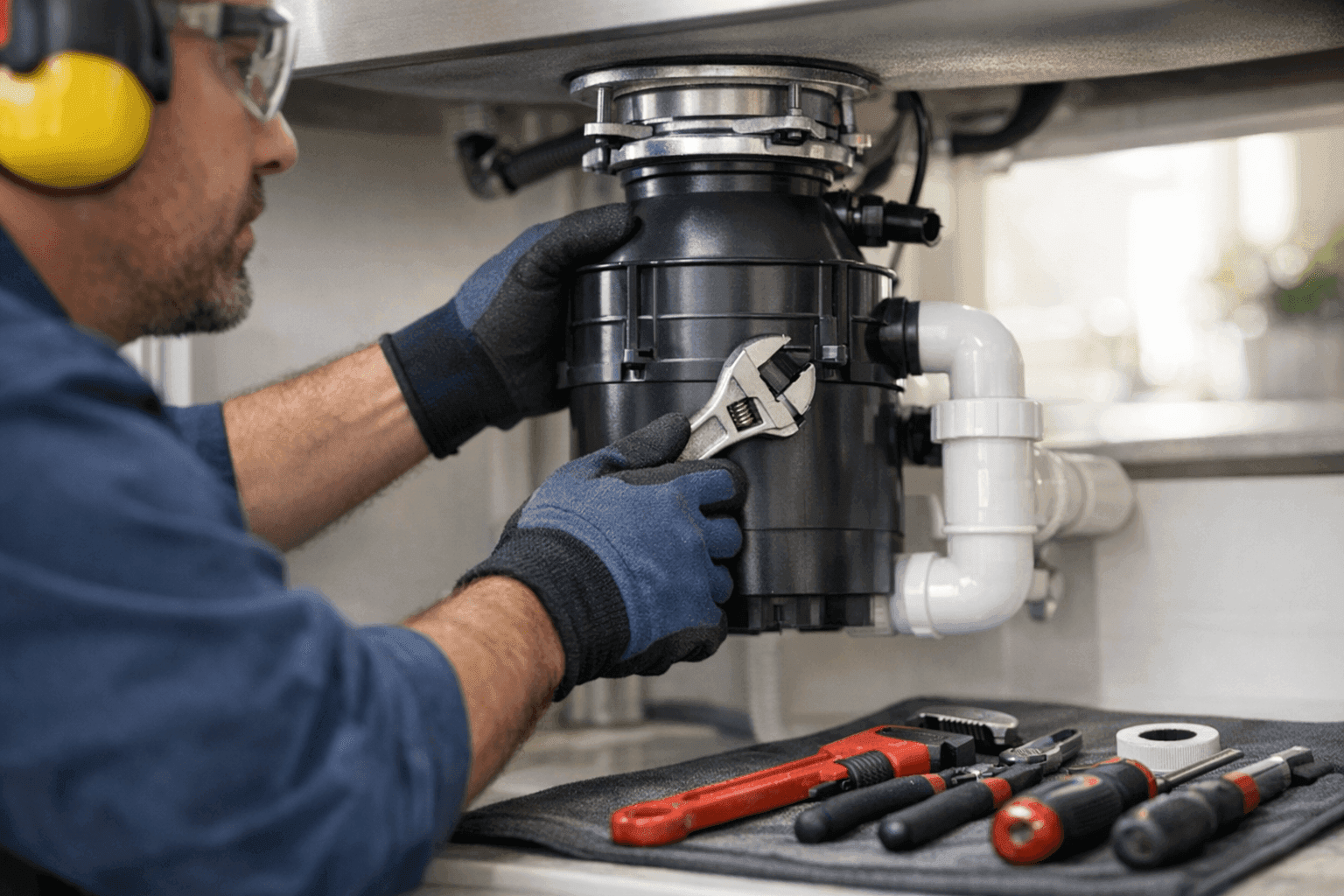
Is your garbage disposal humming, grinding, or simply refusing to work? These little machines make kitchen cleanup easy—until they don’t. When your sink backs up or strange noises start, it’s more than an inconvenience. It can feel like your kitchen is on strike.
At Splash Plumbing, we know both homeowners and business owners rely on their garbage disposals every day. We’ve repaired, replaced, and maintained units of all shapes and sizes. Let’s walk through safe, practical steps for dealing with jams, clogs, and breakdowns—plus how to keep your disposal running smoother, longer.
Common Garbage Disposal Problems
Garbage disposals are sturdy, but they’re not invincible. Here’s what typically goes wrong:
- Jams: The blades get stuck. Usually from fibrous food, utensils, or too much waste at once.
- Clogs: The drainpipe is blocked. Water won’t drain, or it backs up.
- No Power: The unit won’t turn on—or stops mid-spin.
- Unusual Noises: Grinding, rattling, or metallic sounds often signal something’s stuck inside.
- Leaking: Water puddles under the sink, sometimes from the disposal itself, sometimes from plumbing connections.
Each of these issues has its own quirks and quick checks. But safety comes first.
DIY Safety Tips 🛑
Before you even peek under the sink, remember: Garbage disposals are powered machines with sharp internal blades. Treat them like you’d treat a table saw.
- Unplug It: Always disconnect the disposal from power. Unplug or switch off the circuit breaker. Never rely on the wall switch alone.
- No Bare Hands: Never reach inside with your fingers, even if the unit is off. Use tongs or pliers to clear debris.
- Water First: If you suspect a clog, run cold water for 30 seconds. Sometimes, it’s just a temporary blockage.
- Check the Reset Button: Most disposals have a red or black reset button at the bottom. If it’s tripped, press it firmly, wait 10 seconds, and try again.
- Tool Safety: Use only non-conductive tools. A wooden dowel or the hex key (often taped to the disposal) works best to manually free up a jam.
Warning: Never pour chemical drain cleaners into a garbage disposal. They can damage seals and blades—and put you at risk when reaching in later.
Troubleshooting: Step-by-Step Fixes
Let’s break down the most common fixes, step by step.
For Jams
- Cut the Power: Unplug or switch off the breaker.
- Inspect: Shine a flashlight down the drain. Remove any visible object with tongs.
- Manual Rotation: Use the disposal’s hex key (insert underneath) to gently rotate the motor shaft back and forth. This can release stuck blades.
- Reset: Plug the unit back in. Press the reset button. Turn the water on and flip the switch.
For Clogs
- Use a plunger on the sink drain. Block the other drain if you have a double sink.
- If plunging fails, disconnect the drain trap (the curved pipe under the sink) and inspect for blockages. This can be messy. Keep a bucket and towels handy.
For No Power
- Check for a tripped breaker in your electrical panel.
- Press the disposal’s reset button.
- If there’s still silence, the motor may be burned out—or the wiring faulty. Time for a professional.
When Repairs Are Needed
Some fixes are DIY-friendly. Others are not.
Call Splash Plumbing if you notice:
- Persistent leaks under the sink (could signal cracked housings or failed seals).
- Repeated electrical problems or tripped breakers.
- Strange smells that linger even after cleaning—may indicate trapped food or a failing unit.
- Grinding noises with no visible obstruction.
Professional plumbers can spot safety hazards and repair or replace parts in line with International Plumbing Code and local regulations. If you’re unsure, it’s better to ask than risk a flooded kitchen.
How Licensed Plumbers Tackle Garbage Disposal Repair
When you call Splash Plumbing, here’s what you can expect:
- Thorough Inspection: We check the disposal, plumbing connections, and electrical supply.
- Safe Removal of Blockages: Using non-damaging tools and techniques.
- Part Replacement: If needed, we swap out worn blades, failed seals, or the entire unit.
- Testing: We make sure everything runs smoothly—and safely—before we leave.
All our work is performed by licensed, insured technicians. We use parts that meet or exceed manufacturer standards, so your warranty is protected.
Red Flags: When to Stop and Call a Pro 🚨
- You smell burning or see smoke.
- Water is leaking from the bottom of the unit (not just the drain connections).
- The reset button trips repeatedly.
- The disposal makes a humming noise but doesn’t spin, even after manual rotation.
If you find yourself in one of these situations, turn off the power and call for help. Pushing your luck can turn a $100 fix into a $1,000 repair.
Preventing Clogs and Jams
Think of your garbage disposal like a marathon runner. It can handle a lot—but only with the right fuel and care.
- Use Cold Water: Run cold water before, during, and after use. It solidifies grease so blades chop it up and flush it away.
- Feed Slowly: Don’t dump large amounts all at once. Feed scraps gradually.
- Avoid Problem Foods: No bones, fibrous peels, coffee grounds, or fats. These are the main culprits behind most calls for garbage disposal repair.
- Run It Regularly: Idle disposals can rust or freeze up. Use yours at least once a week.
- Clean with Ice and Citrus: Drop a handful of ice cubes in and run the unit. Finish with a lemon peel for freshness.
Routine Maintenance for Longevity
A little care goes a long way. Here’s how to keep your disposal spinning smoothly:
- Monthly Cleaning: Use baking soda and vinegar to clean and deodorize the unit. Let the mixture fizz for 5 minutes, then rinse with hot water.
- Tighten Connections: Check the mounting bolts and drainpipes for leaks once a season.
- Test the Reset: Make sure the reset button is free of debris or corrosion.
If you have questions about maintenance, the EPA and local health departments offer guidelines for safe food disposal and plumbing fixture upkeep.
Emergency Situations and Quick Response
A broken garbage disposal can quickly lead to kitchen chaos—especially in busy homes and restaurants. Flooding, electrical shorts, or sewage smells are emergencies.
If water is backing up or you notice sparks, turn off the power supply immediately. For residents and businesses in the area, Splash Plumbing offers fast response when emergencies leave you in a bind. For more information about local support, check out our Meridian service area.
What Not to Put Down Your Disposal
Some things are better in the trash or compost:
- Potato peels and onion skins (stringy and sticky)
- Eggshells (membranes can wrap around blades)
- Coffee grounds (sludge in pipes)
- Pasta and rice (they swell with water)
- Grease and fats (solidify and clog)
Think of your disposal as a helper, not a miracle worker.
Garbage Disposal Warranties
Most disposals come with a manufacturer’s warranty, usually 1–5 years. To keep yours valid:
- Have repairs performed by licensed plumbers.
- Use only recommended parts.
- Keep maintenance records.
Improper repairs or tampering can void your warranty. Always ask for documentation when you have work done.
Frequently Asked Questions
How do I know if my disposal needs replacement?
If it’s over 10 years old, makes constant noise, or leaks from the base, replacement may be more cost-effective than repair.
Can I install a new unit myself?
Handy folks sometimes do, but plumbing codes and electrical safety are at stake. A professional install ensures safe, code-compliant operation.
What’s the average repair time?
Most repairs take under an hour, but complex issues—like leaks inside walls—can take longer.
Is maintenance really necessary?
Yes. Regular cleaning and proper use prevent most problems and extend the life of your unit.
Seasonal Tips for Garbage Disposal Care 🌦️
- Holiday Cooking: More guests mean more scraps. Remind everyone what’s safe for the disposal.
- Winter: Grease can harden faster in cold pipes. Use extra cold water and scrape plates before rinsing.
- Summer: Odors build up in warm weather. Increase cleaning frequency.
Equipment and Tools You’ll Need
A few basics make at-home fixes safer:
- Flashlight
- Tongs or pliers
- Allen (hex) wrench
- Plunger
- Bucket and towels
If you’re missing any of these, or if you’re unsure, don’t improvise—call for help.
The Value of Professional Plumbing for Garbage Disposals
When you’re up against a stubborn disposal, the benefit of calling in a licensed plumber is peace of mind. We follow local codes, use the right tools, and help you avoid accidental injuries—while protecting your warranty and your kitchen’s plumbing system.
Garbage disposal won’t quit? Don’t wait for small problems to get worse. Book your repair with Splash Plumbing and get your kitchen back on track.
Call Splash Plumbing now — or reach us anytime at 877-879-0650 .