How to Detect Plumbing Leaks Early and Prevent Costly Damage
Water has a way of sneaking in where it’s least wanted. A hidden leak can quietly undermine your home or business, turning a minor drip into a major, wallet-draining disaster before you even notice. That’s why catching plumbing leaks early isn’t just smart—it’s essential.
At Splash Plumbing, we’ve seen how fast a small leak can spiral into a full-blown emergency. Our team uses the latest tools and years of know-how to help property owners stay ahead of water damage and keep life flowing smoothly.
Why Early Leak Detection Matters 🕵️
Leaks rarely announce themselves with a dramatic burst. Instead, they tend to whisper—leaving subtle clues only noticed by the alert. Miss those, and you might face:
- Soaring water bills with no clear reason.
- Musty odors that linger, even after cleaning.
- Stains or warped spots on walls, ceilings, or floors.
- The faint sound of trickling water in a quiet house.
Left unchecked, a single leak can lead to mold growth, ruined drywall, damaged flooring, or even undermine your property’s structure. According to the Insurance Information Institute, water damage is one of the most common and costly claims for homeowners and business owners alike.
Recognizing the First Signs of Trouble
Sometimes, your plumbing drops hints that something’s wrong. Stay alert for these everyday warning signs:
- Unexpected Water Bills: If your usage habits haven’t changed but the bill climbs, something’s off.
- Discoloration or Stains: Yellow or brown patches on ceilings or walls usually mean water is getting where it shouldn’t.
- Peeling Paint or Bubbling Wallpaper: Moisture trapped behind surfaces often causes finishes to warp or peel.
- Flooring Changes: Warped wood, loose tiles, or damp carpet—especially near plumbing lines—often signal leaks below.
- Smells: Musty, earthy odors are often an early clue that water is pooling somewhere unseen.
- Sounds: Hissing, dripping, or trickling sounds when all taps are off.
Spotting these signs early can make the difference between a simple fix and a major repair.
DIY Leak Detection Tips
Not every leak needs high-tech tools. Here’s what you can do right now to catch hidden issues:
- The Meter Test: Turn off all water-using appliances, then check your water meter. If it’s still spinning, water is escaping somewhere.
- Check Cabinets and Basements: Look under sinks and in seldom-used spaces for dampness or mold.
- Toilet Dye Test: Add a few drops of food coloring to the tank. Wait 30 minutes—if color appears in the bowl, you’ve got a sneaky leak.
- Outdoor Walk-About: Inspect your yard for soggy patches or extra-lush grass, especially above buried pipes.
If you spot any red flags, your next step is clear: call in a professional for leak detection.
Advanced Leak Detection Technology
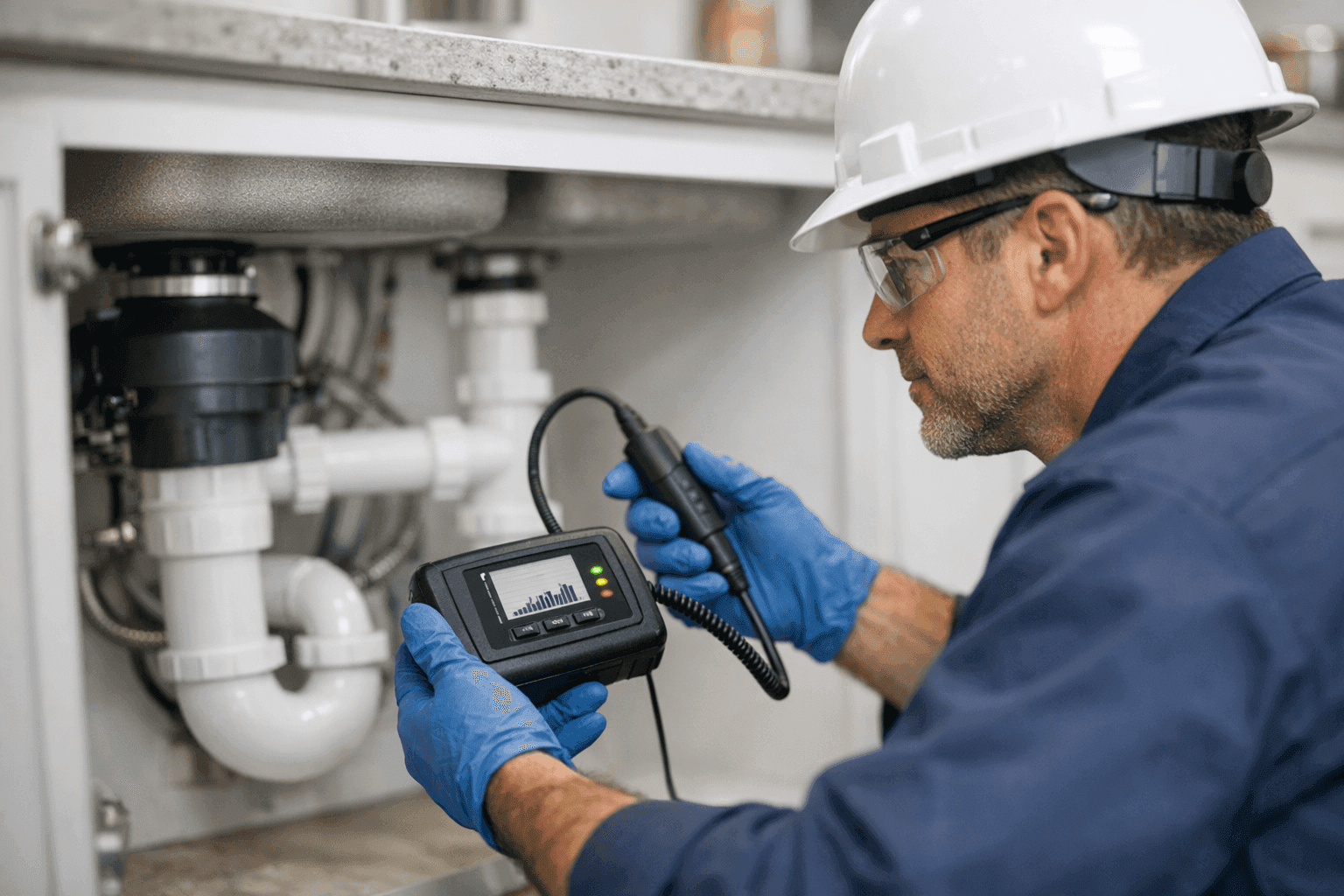
While a sharp eye helps, today’s plumbing pros rely on modern tools for pinpoint accuracy:
- Acoustic Listening Devices: These sensitive gadgets act like stethoscopes for your pipes, picking up even faint water movement behind walls or under floors.
- Thermal Imaging Cameras: By measuring slight differences in temperature, these cameras help spot hidden moisture without cutting into surfaces.
- Moisture Meters: These detect elevated dampness in walls, ceilings, or floors before visible signs appear.
- Tracer Gases: Safe, odorless gases can be introduced into the plumbing system to help spot leaks in hard-to-reach places.
The right tools mean less guesswork, minimal disruption, and faster solutions—saving you money and mess.
What Happens When a Plumber Arrives?
Expect your plumber to start with questions: How long have you noticed the issue? Any recent changes or repairs? Then, they’ll use non-invasive tools to trace the leak’s source. With advanced equipment, most leaks can be found without pulling up floors or opening walls—saving you time and hassle.
If a repair is needed, your plumber will explain the options and help you weigh the best solution, whether it’s a targeted leak repair or a more involved pipe fix.
The High Cost of Undetected Leaks
It’s tempting to ignore a minor drip, but the numbers tell a different story. The Environmental Protection Agency (EPA) estimates that household leaks waste nearly 1 trillion gallons of water each year in the U.S. alone. Beyond wasted water, the real expense comes from:
- Mold remediation
- Structural repairs
- Replacing ruined flooring or walls
- Higher insurance premiums—or denied claims if maintenance is neglected
Insurance companies often require prompt reporting and action to cover water damage. Keep records of inspections and repairs to protect your coverage.
Quick Safety Checklist
Before you start exploring for leaks, run through these basics:
- Know where your main water shutoff valve is—and label it.
- Never touch standing water near appliances or electrical outlets.
- If you suspect a gas line leak (rotten-egg smell), leave the property and call emergency services.
Safety first. Always.
When Is It an Emergency?
Some leaks can wait until morning. Others demand immediate attention:
- Sudden gushes or flooding
- Water near electrical sources
- Visible sagging ceilings—danger of collapse
In these cases, shut off your water and contact a professional immediately. Splash Plumbing is ready for emergencies, including in Topeka and surrounding areas.
Common Mistakes to Avoid
It’s easy to miss a leak if you:
- Ignore small warning signs, hoping they’ll pass.
- Use temporary fixes (like tape or sealant) on active leaks.
- Delay repairs, especially if you’re planning renovations later.
A little attention now prevents big headaches—and bigger bills—down the road.
Seasonal Leak Hazards
Your plumbing faces unique challenges with every season:
- Winter: Frozen pipes can crack and leak once they thaw.
- Spring: Heavy rain and shifting soil may stress underground pipes.
- Summer: Tree roots seek water, sometimes invading sewer lines.
- Fall: Leaves and debris clog outdoor drains, leading to backup and hidden leaks.
Regular inspections and maintenance help catch problems before they escalate.
Preventing Future Plumbing Leaks
No system lasts forever, but you can extend your plumbing’s life with:
- Yearly check-ups for all exposed pipes and fixtures
- Regular drain cleaning to prevent buildup and pressure on pipes
- Installing water filtration systems to reduce corrosion
- Replacing older pipes with modern, durable materials
Ask your plumber about a preventative maintenance plan tailored to your property’s needs.
Plumbing Leak FAQs
Q: How do I know if a leak is behind a wall?
A: Watch for stains, bulging, or musty smells. Professionals use tools like thermal cameras to confirm.
Q: Will my insurance cover water damage from a leak?
A: Usually, if the leak is sudden and accidental. Long-term, neglected leaks may be excluded. Always check your policy and document maintenance.
Q: Can leaks affect my health?
A: Yes—hidden moisture can promote mold growth, which may trigger allergies or respiratory issues.
When to Call a Professional
If you’re ever unsure, don’t wait. Plumbing issues rarely get better on their own. Early, skilled intervention is always the better investment—especially with complex jobs like leak detection and targeted repairs.
Protecting Your Property for the Long Run 🛡️
Think of your plumbing like the veins of your property—out of sight, but vital. Regular attention, quick action on leaks, and professional check-ups keep everything flowing and safeguard your investment.
From Water Heater Installation near you to full-scale repiping, Splash Plumbing helps homeowners and businesses stay safe, dry, and stress-free.
Call Splash Plumbing now — or reach us anytime at 877-879-0650 .