How to Handle a Burst Pipe: Step-by-Step Emergency Guide
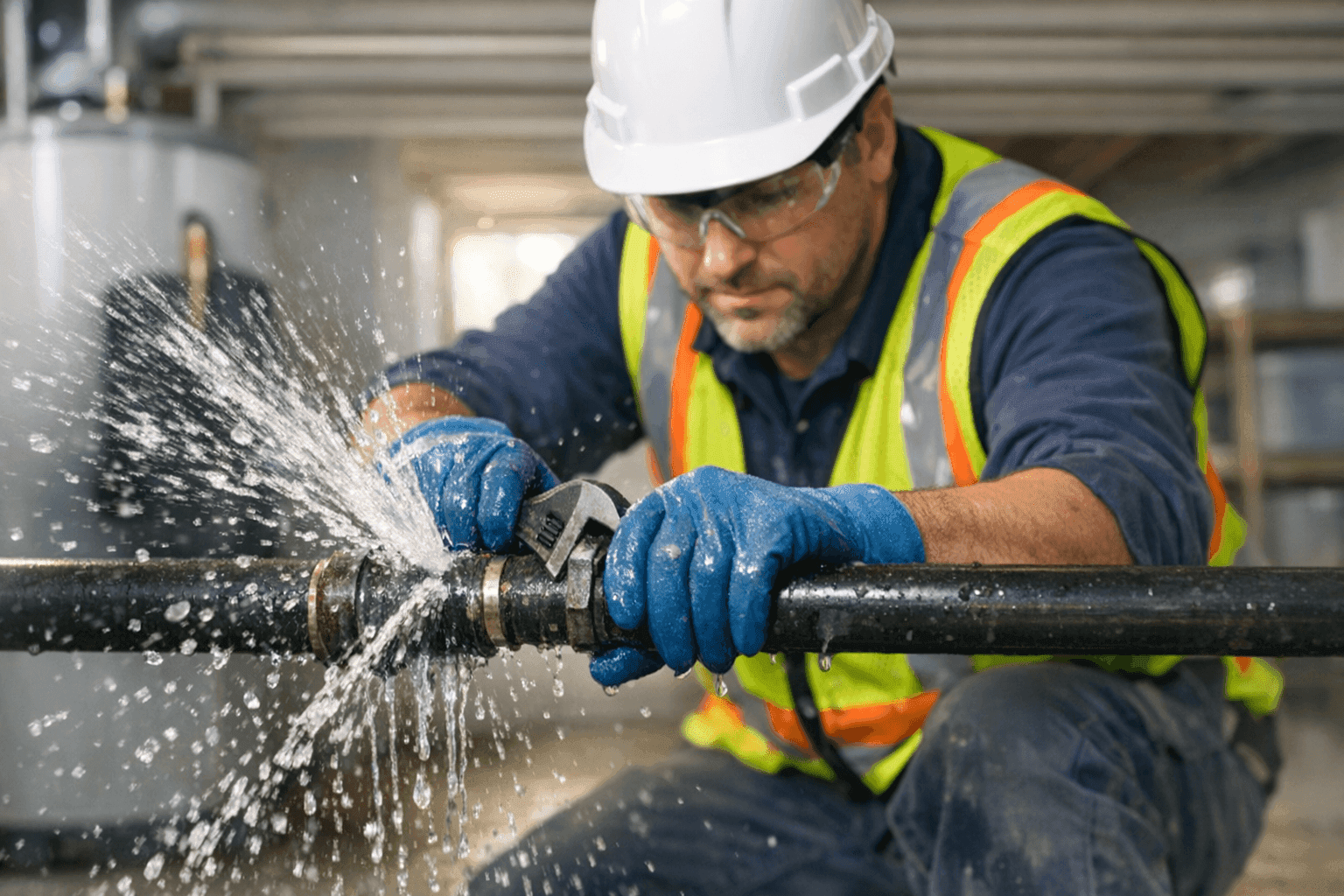
When water is erupting from a broken pipe, panic is natural. Your heart races. Carpets soak, ceilings drip, and every minute counts. Burst pipes can turn a normal day into a race against damage. At Splash Plumbing, we’ve seen it all—and know you can take charge in those critical first moments before help arrives.
This guide gives you a clear, step-by-step plan for handling a burst pipe at home or work. Whether you’re a homeowner or managing a business, you’ll learn practical actions to limit damage, protect your valuables, and keep your cool until the professionals arrive.
Recognizing a Burst Pipe 🚨
The signs of a burst pipe aren’t always as dramatic as a geyser. Sometimes, it’s subtle—like a wet wall, a mysterious puddle, or the sound of water running when all taps are off. Other times, it’s unmistakable: water spewing from ceilings, pooling on floors, or flowing out from under doors.
Watch for these early warning signs:
- Sudden drop in water pressure
- Unexplained puddles or damp spots
- Discolored water from faucets
- Unusual noises in walls (hissing, gurgling)
- Musty or earthy smells
If you spot any of these, act fast. Every minute shaved off your response can mean less damage and an easier cleanup.
Your Quick Safety Checklist
Safety first—always. Water and electricity are a dangerous mix. Before you wade into action, run through this mental checklist:
- Is water near electrical outlets or appliances?
- Are ceilings sagging or walls bulging with water?
- Do you smell gas?
If any answer is yes, evacuate the area and call for emergency help right away. Never risk your safety for property—things can be replaced, people can’t.
Shutting Off the Water: Your First Move
This is your fire extinguisher moment. Find the main water shutoff valve. In most homes, it’s where the main line enters—often in a basement, utility room, crawlspace, or outside near the street. In commercial buildings, look for labeled shutoff valves in mechanical rooms or utility closets.
- Turn the valve clockwise (“righty tighty”) until it stops.
- For lever-style valves, pull the lever perpendicular to the pipe.
- If you can’t find the shutoff or it won’t budge, call your building manager or a plumber immediately.
Everyone in your household or workplace should know where this valve is—make it a family or team safety drill.
Containing the Leak: Small Steps, Big Difference
Once the water is off, you can breathe for a moment. Now, try to contain the remaining leak:
- Use buckets or heavy towels to catch drips.
- Move furniture or electronics away from wet areas.
- Open cabinets under sinks to help pipes drain and dry.
- Don’t use space heaters or open flames to dry water—fans or dehumidifiers are safer.
Remember, even after the main water is off, some water will linger in pipes and may continue to leak.
Protecting Your Valuables
Water and cherished belongings are a bad mix. Focus on the essentials:
- Lift rugs, books, electronics, and sentimental items off the floor.
- Remove artwork from nearby walls.
- Place aluminum foil or wood blocks under furniture legs to prevent staining.
- If water reached important documents or photos, lay them flat on a dry surface to air out.
Speed is your best friend here. The sooner you move items, the more likely you’ll avoid permanent damage.
Documenting the Damage for Insurance
It might feel like the last thing on your mind, but taking quick photos and notes can make a world of difference with insurance claims.
- Snap wide shots of affected rooms and close-ups of damaged items.
- Note the date, time, and sequence of events.
- Save receipts for any emergency purchases (fans, towels, cleanup supplies).
Most insurance carriers recommend prompt documentation—check your policy for specifics and call your agent as soon as it’s safe to do so.
When to Call for Professional Plumbing Help
A burst pipe is more than a DIY job. Professional plumbers have the tools, parts, and know-how to fix the root cause, assess hidden damage, and ensure code compliance.
Call for help when:
- You can’t find or turn off the main shutoff
- Water keeps leaking after shutoff
- There’s damage to electrical wiring or the structure
- You suspect contaminated water or sewage
For urgent, on-site response, our emergency plumbing service can tackle burst pipes, major leaks, and urgent repairs around the clock.
DIY vs. Professional Repair: Know Your Limits
You might be able to patch a tiny pinhole with plumber’s tape or a repair clamp as a stopgap. But most burst pipes need a full replacement of the damaged section, especially if the pipe split from freezing or heavy pressure.
Attempting a complex fix without the right skills can lead to bigger problems—like hidden leaks, mold, or future bursts. When in doubt, leave pipe cutting and soldering to the pros.
What the Pros Do When They Arrive
Here’s what you can expect from a professional plumber:
- Inspect and diagnose the source of the burst
- Isolate the affected section
- Remove and replace damaged pipe, fittings, or insulation
- Test for additional leaks or weak spots
- Check for code compliance and safety issues
Professionals use tools like moisture meters, inspection cameras, and pipe locators to catch damage you can’t see. They’ll also advise on drying, cleanup, and any follow-up repairs needed.
Mitigating Water Damage: Act Fast, Stay Safe 💧
After the immediate leak is under control, it’s time to limit the fallout:
- Run fans and dehumidifiers to dry out rooms
- Remove and discard soaked carpet padding or insulation
- Open windows if weather allows
- Watch for signs of warped floors or mold and address promptly
The Institute of Inspection, Cleaning and Restoration Certification (IICRC) recommends drying affected areas within 24–48 hours to prevent mold growth. If in doubt, consult a water damage restoration specialist.
Don’t Forget About Gas Lines and Appliances
If the burst pipe is near a gas appliance (like a boiler or water heater), check for signs of gas leaks. If you smell rotten eggs or hear hissing, leave the area and call your gas utility immediately.
For water heaters, turn the power switch to “off” and close the gas valve if safe to do so. This prevents further complications until repairs are complete.
Insurance Reminders: What Most People Forget
Many homeowners’ and business insurance policies cover sudden water damage, but not gradual leaks or neglect. Act promptly and follow your insurer’s instructions.
- Report the incident as soon as possible
- Take detailed notes and save repair invoices
- Keep all communication in writing
Filing quickly and following the policy process can speed up claim approval and reduce disputes.
Preventing Future Pipe Bursts
Prevention is always cheaper than repair. Here’s how to reduce your risk:
- Insulate exposed pipes in basements, attics, and crawlspaces
- Let faucets drip during deep freezes
- Check for signs of corrosion or pinhole leaks regularly
- Schedule routine plumbing inspections
Preventative maintenance isn’t just for winter—older homes and buildings with aging pipes can burst in any season.
Common Mistakes to Avoid
In the rush of an emergency, it’s easy to overlook simple things:
- Don’t ignore small leaks—they often signal bigger problems
- Avoid using adhesives or “quick fixes” as permanent solutions
- Never use open flames to thaw frozen pipes
- Don’t wait to call for help if you’re unsure about damage
A little caution now saves a lot of headache later.
Costs, Timeline, and What to Expect
Every burst pipe is unique. The cost and disruption depend on the pipe’s location, the extent of damage, and how quickly you act. Immediate professional repairs typically take a few hours, but water damage restoration and drying may take days.
Expect some drywall removal, cleanup, and follow-up visits. Your plumber can walk you through the expected timeline and next steps.
When Is It Truly an Emergency?
Not every leak is an emergency, but certain situations demand instant action:
- Water pouring uncontrollably, risking structural damage
- Leaks near electrical wiring or panels
- Burst pipes in multi-story buildings (risking damage to lower floors)
- Sewage leaks or contaminated water
If you’re in doubt, treat it as an emergency. Local plumbers are equipped for rapid response, including for readers in East Honolulu and similar areas.
Seasonal Considerations and Pipe Bursts
Winter brings frozen pipes—and with them, the risk of splits and bursts. But summer storms or ground shifts can also stress pipes. Monitor your plumbing year-round, especially after severe weather or construction nearby.
Preparing for Service: What to Do Before the Plumber Arrives
While you wait, keep things moving:
- Open doors and windows to help with drying
- Clear paths to the affected area for your plumber
- Gather any pieces of broken pipe for inspection
- Make a list of questions or concerns
A quick prep makes the visit smoother and helps your plumber solve the problem faster.
FAQs: Quick Answers to Common Burst Pipe Questions
How can I spot a hidden burst pipe?
Look for unexplained dampness, water stains on ceilings or walls, or a musty smell.
Will my insurance cover the damage?
Most policies cover sudden pipe bursts, but not gradual leaks. Always check with your provider.
Can I use my water after a pipe bursts?
Not until a professional says it’s safe. Contaminants may enter the system during a burst.
How long does pipe repair take?
Simple repairs can be done in hours; extensive damage or drying may take longer.
Is a burst pipe dangerous?
Yes—beyond water damage, there’s risk of electrical shock, mold, and even structural harm.
A burst pipe doesn’t have to spell disaster. With quick thinking and the right steps, you can protect your space and limit the mess. For urgent help, our team is always nearby.
Call Splash Plumbing now — or reach us anytime at 877-879-0650 .