Kitchen Plumbing Problems: Quick Fixes & When to Call a Pro
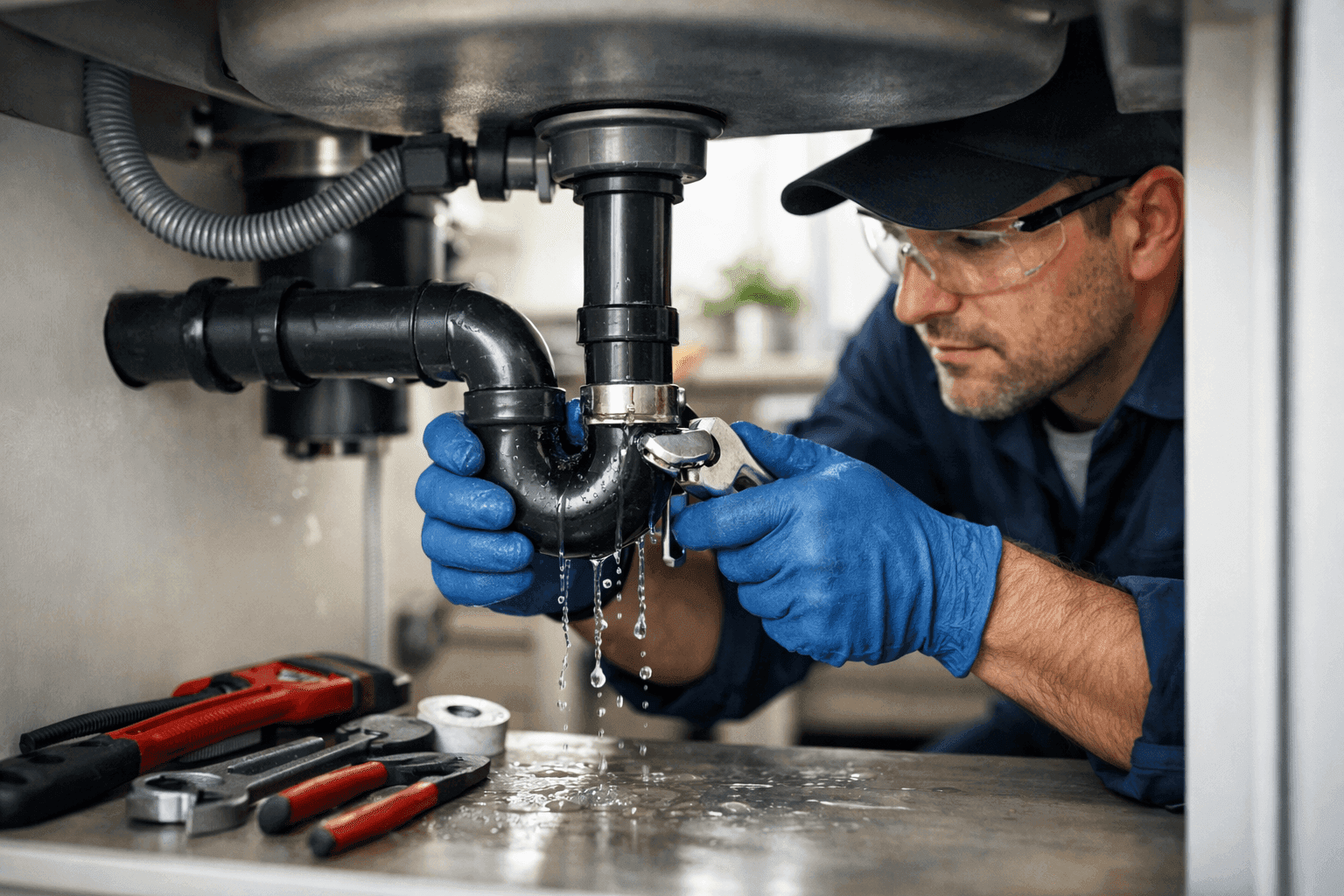
Is your kitchen sink doing its best impression of Niagara Falls? Or maybe your garbage disposal sounds like a rock tumbler on overdrive. Plumbing problems in the kitchen can bring your daily routine to a standstill—fast. At Splash Plumbing, we've helped countless homes and businesses get back to normal, one fix at a time.
Let’s walk through the most common kitchen plumbing problems, safe DIY tips, and those moments when it’s time to call in a pro. Your kitchen deserves to run smoothly—let’s keep it that way.
Typical Kitchen Plumbing Issues
Kitchens are the heart of the home (and the break room in many offices). That means they see a lot of action—and a lot of wear and tear. These are the usual suspects when something goes wrong:
- Leaky faucets or pipes: Drip, drip, drip—not just annoying, but costly.
- Clogged sinks: Water pooling in the basin, slow drains, or total blockages.
- Garbage disposal malfunctions: Jams, grinding, or the dreaded silence when you flip the switch.
- Low water pressure: Trickle instead of a powerful flow.
- Strange smells: Rotten eggs, sewage, or musty odors can signal hidden issues.
- Dishwasher drainage problems: Water backing up into the sink or puddling on the floor.
Each problem brings its own brand of chaos. The good news? Some issues have quick fixes—others call for steady hands and specialized tools.
Quick Safety Checklist 🛠️
Before you grab a wrench or plunger, pause and check these safety basics:
- Turn off water supply: Find the shutoff valve under the sink or near your main water line.
- Unplug electrical appliances: If you’re working near outlets or garbage disposals, safety first.
- Wear gloves and eye protection: Pipes and debris can be sharp.
- Know your limits: If you smell gas, see sparks, or spot flooding—step away and call for help.
The U.S. Consumer Product Safety Commission recommends always following manufacturer instructions and using insulated tools when working near water and electricity.
DIY Solutions for Quick Fixes
Some kitchen plumbing headaches have simple solutions. Here’s how to tackle the most common culprits:
Leaky Faucets
- Tighten the handle: Sometimes it’s just a loose screw.
- Replace washers or O-rings: Shut off water, unscrew the faucet, and swap out worn parts.
- Check supply lines: Make sure connections are snug.
Clogged Sink
- Use a plunger: Create a seal and pump a few times.
- Try a drain snake: Gently work it down the drain to dislodge stubborn clogs.
- Hot water and baking soda: Pour a kettle of hot water, followed by baking soda and vinegar, then flush again.
Garbage Disposal Troubles
- Reset button: Find the red reset switch on the bottom of the unit.
- Manual crank: Use an Allen wrench to turn the motor from underneath.
- Clear jams: With the power off, use tongs (not hands!) to remove stuck debris.
If you’re dealing with repeated blockages or leaks, our kitchen plumbing repair team can diagnose and repair the root cause.
When to Call a Plumber
Not every issue is a DIY project. Call for backup if:
- You see water under the sink after every use.
- There’s standing water that won’t drain, even after plunging.
- Your garbage disposal hums but doesn’t spin (could be a serious jam).
- Pipes are corroded, cracked, or leaking heavily.
- You smell gas or suspect a gas line issue.
- Multiple drains clog at once (could signal a main line problem).
Professional plumbers use specialized diagnostic equipment—like video cameras for tricky clogs or electronic leak detectors—so you get the right fix the first time. And repairs are often backed by solid warranties.
If you’re faced with an urgent issue in your area, local plumbers are available for plumbing emergencies in Tulsa and nearby communities.
What Splash Plumbing Pros Do On Arrival
When the toolbox comes out, here’s what you can expect from a professional visit:
- Inspection: A thorough look at your pipes, fixtures, and appliances.
- Accurate diagnosis: Using years of experience and modern tools.
- Clear communication: We’ll explain the problem (no jargon) and discuss your options.
- Repairs or replacement: From fixing a cracked pipe to installing new fixtures or a disposal.
- Code compliance: All work aligns with current plumbing codes (refer to the International Plumbing Code for standards).
Signs of Trouble Before Disaster Strikes
Don’t wait for a flood. Watch for these early warning signs:
- Rust stains or mineral buildup on pipes.
- Gurgling noises from drains or disposal.
- Water stains inside cabinets or on walls.
- Unexplained spikes in your water bill.
- Persistent odors that linger even after cleaning.
Catching these signals early can prevent bigger, messier problems later.
The True Cost of Waiting
A leaky faucet may seem minor, but over time, even small drips can waste hundreds of gallons of water. Clogs can turn into burst pipes. And a malfunctioning garbage disposal might be hiding electrical risks. The longer you wait, the more expensive and disruptive repairs can become.
Materials & Tools: What You’ll Need for DIY
For quick fixes, keep these basics on hand:
- Plunger
- Adjustable wrench
- Pipe tape
- Drain snake
- Bucket and towels
- Flashlight
If the job calls for pipe cutting, soldering, or electrical work, it’s best left to a licensed plumber.
Preventing Future Problems 🧰
It’s easier to stop problems before they start. Here’s how:
- Run hot water after each use to keep drains clear.
- Avoid pouring grease, coffee grounds, or fibrous foods down the sink.
- Clean your disposal regularly: Grind ice cubes and citrus peels to freshen the blades.
- Check under the sink every month for drips or dampness.
- Schedule preventative maintenance with a professional, especially in older homes or high-use kitchens.
For ongoing issues, a tailored approach—like sink repair or garbage disposal troubleshooting—can keep your kitchen in top shape.
When It’s an Emergency
Flooding, gas leaks, or sewage backups require immediate attention. Turn off the main water supply if safe. Don’t use electrical outlets or appliances near standing water. Step outside if you smell gas. Quick action protects your property and family.
Common Kitchen Plumbing Mistakes
- Over-tightening fittings: Can crack pipes and fixtures.
- Using chemical drain cleaners: These can corrode pipes and harm the environment.
- Ignoring small leaks: They almost always get worse.
- Improper disposal use: Never put bones, shells, or fibrous veggies down the unit.
Timeline & Disruption: What to Expect
Most minor repairs take an hour or two. Larger jobs—like new pipe installation or repiping—may need a day or more, especially if walls or cabinets must be opened. Our team works to minimize disruption, clearly communicating every step.
Seasonal Considerations
In colder months, pipes under the kitchen sink are vulnerable to freezing. Open cabinet doors to let warm air circulate and consider foam pipe insulation. After heavy rains, be alert for slow drains or strange odors, which can signal sewer line stress.
FAQs
How often should I have my kitchen plumbing inspected?
Every 1–2 years for most homes. High-use or commercial kitchens may need more frequent checks.
Can I replace a faucet myself?
Yes, with basic tools and instructions. But if you run into corrosion or leaks, a professional can save time and frustration.
Is a noisy garbage disposal a problem?
Rattling or grinding sounds often mean something’s stuck inside. If the noise persists after clearing debris, call for help.
Preparing for Service
Clear out the area under your sink. Move cleaning products and supplies to allow easy access. Have a list of symptoms or issues you’ve noticed. Your plumber will appreciate the head start!
The Value of Professional Diagnostics
Splash Plumbing’s trained technicians use advanced tools—like video inspection and ultrasonic leak detection—to find the real problem fast. Repairs are performed using code-compliant materials and methods, so you know your fix will last.
Ready to Solve Your Kitchen Plumbing Problems?
Whether you’re facing a surprise leak or an ongoing clog, Splash Plumbing is ready to help. Don’t let plumbing woes ruin your day or disrupt your business.
Call Splash Plumbing now — or reach us anytime at 877-879-0650 .