Leak Repair: Temporary Fixes and Permanent Solutions
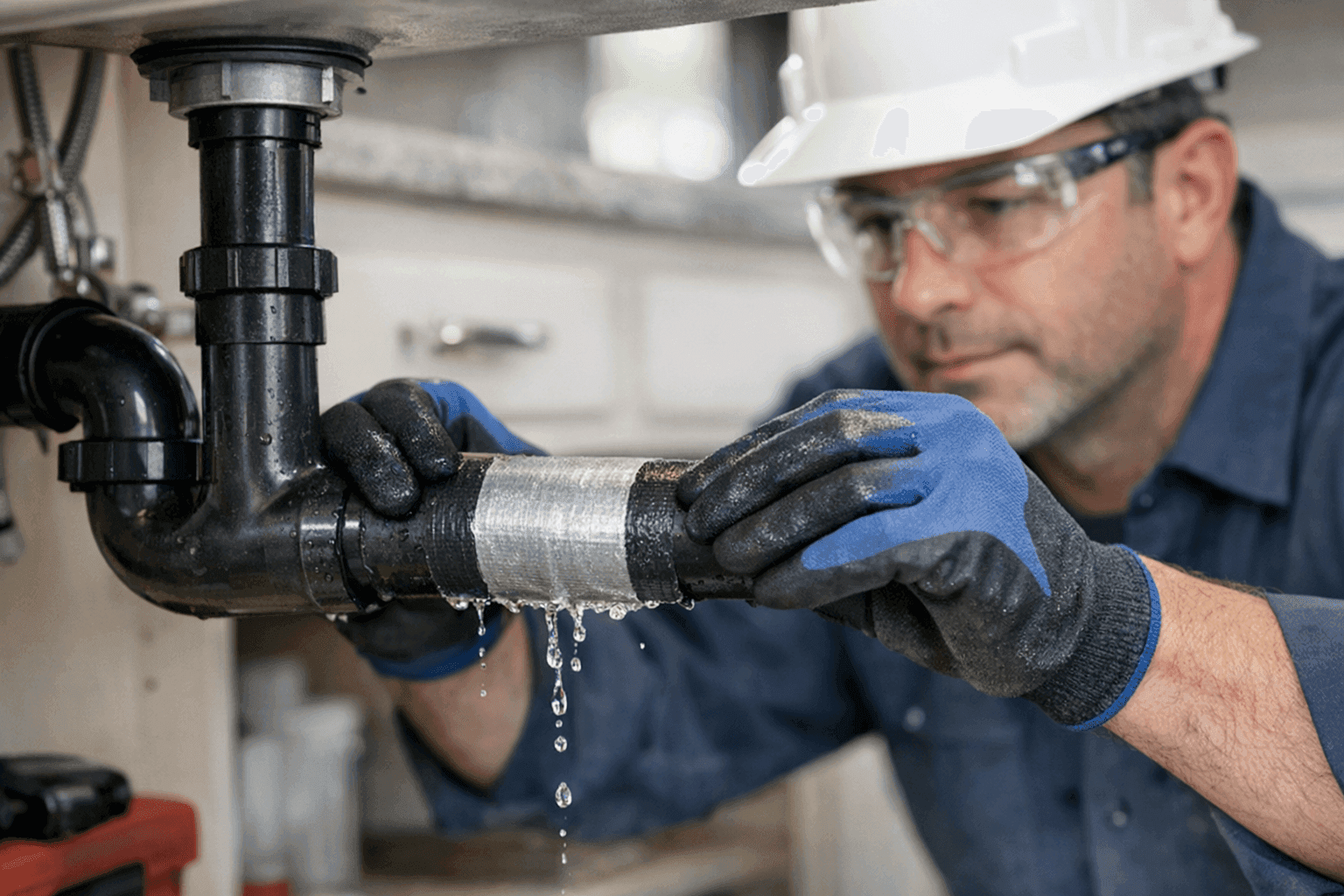
Water leaks never wait for a convenient time. You’re making coffee, or locking up the office, and suddenly—drip, drip, drip. A puddle forms. Panic flickers. You wonder, “What now?”
At Splash Plumbing, we know leaks can disrupt your day and damage your space. Whether it’s a hidden drip behind drywall or a burst pipe under the sink, acting fast makes all the difference. Let’s break down what you can do right away, what to expect from professional repair, and how to keep leaks from popping up in the future.
Identifying Leak Severity 🚰
Some leaks are tiny, almost whisper-quiet. Others gush loudly and leave no doubt. Either way, the first step is to gauge the situation:
- Is the leak slow or spraying? A slow drip might signal a loose connection or worn washer. A steady stream or spraying water could mean a major pipe break.
- Where’s the water coming from? Check under sinks, behind toilets, around water heaters, and along exposed pipes.
- Is there water damage? Stains on walls, ceilings, or floors point to a leak that’s been there longer than you thought.
If water is near electrical outlets or appliances, keep clear—safety first. When in doubt, treat every leak seriously until you know more.
Quick Safety Checklist
Before you get your hands wet, take these steps:
- Shut off the water supply. Find the nearest shutoff valve—usually under the sink or behind the toilet. If you can’t locate it, turn off the main water valve for the entire property.
- Unplug electronics. Water and electricity are a bad mix.
- Clear the area. Remove valuables and soak up pooling water with towels or a mop.
- Wear rubber gloves. Protect your hands from dirty water or sharp edges.
These steps buy you precious time and limit potential damage while you plan your next move.
Temporary Leak Fixes
Think of temporary leak fixes as a spare tire—they help you limp to safety, but you wouldn’t drive cross-country on one. Here’s how to patch things up until a plumber arrives:
Pipe Repair Tape
- Plumber’s tape (Teflon tape): Good for small drips around threaded fittings. Wrap tightly around the leak.
- Silicone repair tape: Self-fusing and waterproof. Stretch and wrap it around the pipe, overlapping layers to seal the area.
Pipe Clamps and Rubber Patches
- Rubber patch: Cut a piece of rubber (an old glove or garden hose works). Place it over the leak.
- Pipe clamp: Fasten the patch in place with a pipe clamp or even a sturdy zip tie.
Epoxy Putty
- Epoxy putty: Mix and mold it over the leak. It hardens quickly, forming a solid barrier. Only use on dry, clean surfaces.
Remember: These fixes are short-term. They might hold for a few hours or a couple of days, but they’re not meant for the long haul.
When to Call for Emergency Plumbing
Some leaks can’t wait. Call for emergency plumbing if:
- Water is gushing uncontrollably and you can’t stop it.
- Leaks threaten electrical systems or valuable property.
- You notice sewage smells—this could mean a broken sewer line.
- Multiple fixtures stop working or back up at once.
If you’re unsure, err on the side of caution. Better a quick call than costly repairs later.
What the Pros Do On Arrival
When a licensed plumber from Splash Plumbing arrives, you’ll see a systematic approach:
- Assessment: We locate the source and check for hidden leaks using moisture meters and, if needed, infrared cameras.
- Containment: Water is shut off, and the area is stabilized.
- Diagnosis: We determine what caused the leak—whether it’s corrosion, frozen pipes, or faulty installation.
- Repair or replacement: Depending on severity, this may mean tightening a joint, replacing a section of pipe, or re-piping an entire run.
Our team follows local plumbing codes and safety standards, including those set by the International Plumbing Code (IPC) and state regulations.
Permanent Repair Solutions
Temporary patches are just the beginning. For true peace of mind, permanent fixes are a must. Here’s what might be involved:
- Pipe replacement: Damaged or corroded sections are removed and new, high-quality pipe installed.
- Joint and fitting repair: Leaky connections are cleaned, sealed, and secured.
- Repiping: In older properties with frequent leaks, a full repipe may be the safest route.
- Leak detection: Advanced tools (like acoustic sensors) pinpoint leaks hidden behind walls or under slabs.
You can read more about our leak repair process and what goes into making sure your plumbing is watertight.
Avoiding Future Leaks 🛠️
Prevention beats cure every time. Here’s how to keep leaks at bay:
- Schedule annual inspections. Regular checkups catch minor issues before they become major headaches.
- Don’t ignore slow drains or drips. These small signs often hint at bigger problems.
- Protect pipes from freezing. Insulate exposed pipes, especially in unheated areas.
- Replace old fixtures. Aging washers and valves are leak-prone.
- Install water filtration. Hard water can corrode pipes faster.
For both homes and businesses, a little attention now saves big money and stress down the line.
DIY vs. When to Call a Professional
Some fixes—like tightening a loose faucet—are safe for most handy folks. But plumbing is a bit like surgery: knowing when not to go it alone is key.
- Call a pro if: The leak is hidden, involves gas lines, or you’re not sure what’s causing it.
- DIY is okay if: You’re dealing with a visible, slow drip and you have the right tools.
Remember: Incorrect repairs can lead to more damage, void insurance, or violate local codes. Always put safety first.
Common Mistakes to Avoid
- Using duct tape or household glue—these aren’t waterproof or pressure-rated.
- Over-tightening fittings, which can crack pipes.
- Skipping the water shutoff step.
- Ignoring safety gear.
If you’re unsure, waiting for professional help is the safest move.
Understanding Leak Repair Costs and Time
Cost and repair time depend on:
- The location and severity of the leak.
- Materials required (copper, PVC, PEX, etc.).
- Accessibility—hidden leaks may mean more labor.
Simple fixes can be completed in under an hour; major repairs may take half a day or longer. Upfront estimates and clear communication are standard practice at Splash Plumbing.
Timeline & Disruption
Most repairs are minimally invasive, but some may require opening walls or floors. We always discuss options and keep disruption to a minimum, working around your schedule whenever possible.
Plumbing Codes & Safety Guidelines
All repairs follow the International Plumbing Code (IPC) and any applicable state or local regulations. This ensures your system is safe, legal, and built to last.
Seasonal Considerations
Leaks spike in winter (frozen pipes) and spring (heavy rains). If you’re prepping for colder months, insulate pipes and have your system checked. Melbourne Village residents often ask about seasonal readiness, and our local plumbing services can help get your property leak-proofed year-round.
Preparing for Service
Clear a path to the leak, move valuables, and write down any details about when and how you noticed the problem. This helps the repair go smoothly and gets you back to normal faster.
Frequently Asked Questions
Q: Can I use store-bought leak sealants?
A: Some are fine for tiny leaks, but most aren’t a lasting fix.
Q: How do I know if my leak is big trouble?
A: If water won’t stop, if you see stains or mold, or if you smell sewage, call right away.
Q: Will my insurance cover leak repairs?
A: It depends on your policy and the cause. Document everything and contact your provider.
Leaks don’t wait. You shouldn’t have to, either. Whether it’s a small drip or a plumbing emergency, Splash Plumbing is ready to help with fast, reliable repairs and advice you can count on.
Call Splash Plumbing now — or reach us anytime at 877-879-0650 .