Sewer Line Inspection: What It Reveals & Why It Matters
Ever had your day disrupted by a stubborn clog or slow drain? It's more common than you think. Sewer line problems start small but can snowball into major headaches. That’s where a professional camera inspection steps in—giving you a clear look at what’s happening under your feet before it spirals out of control.
At Splash Plumbing, we’ve seen what’s lurking inside pipes. With the right tools and know-how, we turn mysteries into solutions, saving you time, money, and stress.
How Sewer Camera Inspections Work 🎥
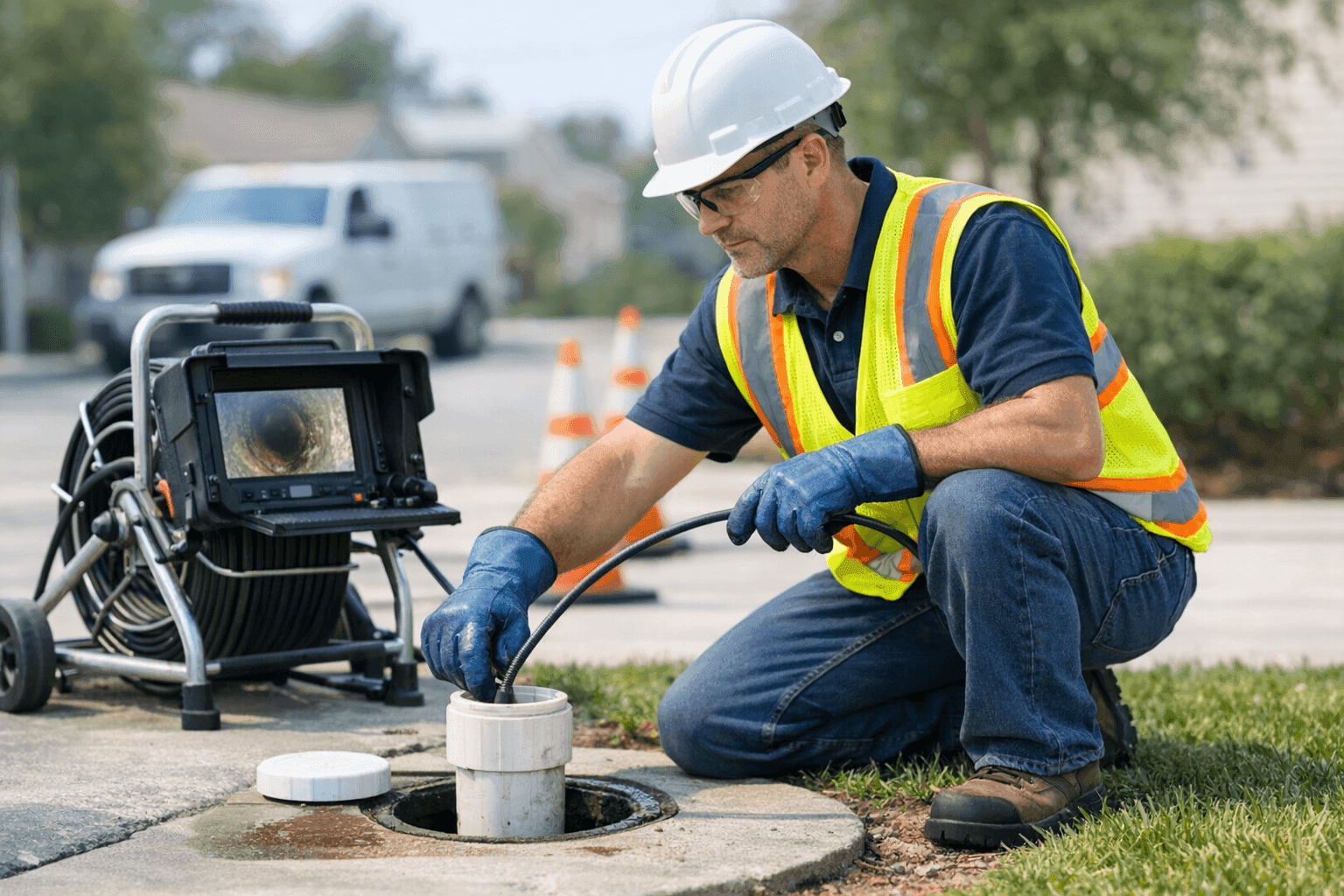
Imagine threading a tiny submarine through your plumbing. That’s what a sewer camera inspection is like. A high-resolution camera, attached to a flexible cable, snakes its way through your sewer line. The camera sends live video to a monitor above ground, revealing every twist, turn, and trouble spot below.
- The process is non-invasive—no digging up your yard unless absolutely necessary.
- Video footage allows for a precise diagnosis. No guesswork.
- Inspections typically take less than an hour for most homes and small businesses.
This method is recommended by many building codes and state guidelines as the safest way to inspect sewer lines without causing collateral damage.
Benefits of Sewer Inspections
Why bother with a sewer inspection if nothing seems wrong? Here’s what you gain:
- Early detection: Spot problems before they become emergencies.
- Saves money: Fixing a small crack now is cheaper than replacing a collapsed line later.
- Real estate confidence: Buying or selling property? Inspection reports are invaluable for negotiations.
- Peace of mind: Know exactly what’s going on beneath your floors.
Having a sewer line inspection is like reading the weather forecast before planning your trip—preparation beats surprise every time. Learn more about our approach to sewer line inspection.
Common Problems Found
What does the camera reveal? It’s not always pretty, but it’s honest:
- Tree root invasion: Roots seek out moisture, squeezing into even hairline cracks and growing inside pipes.
- Pipe breaks and collapses: Old clay pipes, corroded cast iron, or shifting soil can cause cracks, breaks, or even total collapses.
- Blockages and buildups: Grease, debris, and foreign objects cause backups and slow drains.
- Bellied pipes: Sagging sections collect waste and slow flow.
- Corrosion: Metal pipes can rust from the inside out.
- Misaligned joints: Poor installation or ground shifting can cause joints to separate.
The camera doesn’t lie. It exposes the good, the bad, and the ugly—giving you a roadmap for repairs.
Signs It’s Time for a Sewer Inspection
Not sure when to schedule an inspection? Watch for these red flags:
- Frequent drain clogs or slow drains throughout your property
- Gurgling sounds from toilets or sinks
- Unpleasant odors, especially near drains or in the yard
- Soggy patches or unexpected lush spots in your lawn
- Water backing up into tubs or showers
These symptoms point to hidden trouble. Catching them early can mean the difference between a quick fix and a major overhaul.
DIY vs. Call a Pro
Curious if you can check your own pipes? While there are consumer-grade cameras out there, professional inspections bring experience and interpretation. The real value is knowing what you’re seeing—and what to do about it. A licensed plumber follows local codes and uses commercial-grade equipment, providing accurate results and actionable advice.
Attempting a DIY inspection without training is like reading an X-ray without medical knowledge. You might spot something odd, but understanding what it means is another story.
What Happens When We Arrive
When a Splash Plumbing technician arrives, here’s what you can expect:
- A friendly walkthrough to understand your concerns
- Setup of the camera system at the nearest access point (cleanout or drain)
- Real-time video inspection, with explanations as we go
- A full report and recommendations, tailored to your needs
You’re welcome to watch the footage with us. Transparency is important—we show you what we see.
Quick Safety Checklist
Before any work starts, safety comes first:
- Clear access to the main sewer cleanout is essential
- Keep children and pets away from the work area
- Notify the technician of any previous repairs or known issues
Our team follows all OSHA safety guidelines and plumbing codes to keep your property—and everyone in it—safe.
Timeline & Disruption: What to Expect
Most sewer camera inspections take less than an hour. For larger commercial properties, it might take a bit longer. The process is quiet and clean—no demolition, no mess.
If damage or blockages are found, we’ll outline repair options and timelines. Many repairs can be targeted to just the problem area, saving you time and minimizing disruption.
Costs & When It’s Worth It
Investing in a camera inspection pays off. Typical costs are far less than emergency repairs or property damage from undetected leaks. If you’re experiencing recurring clogs or have an older plumbing system, the value is clear.
For property buyers and sellers, it’s a negotiating tool—documentation that could save thousands down the road. Code compliance and insurance often require proof of recent inspection after a sale or major remodel.
After Inspection: Next Steps
If the camera uncovers issues, don’t panic. Here’s what happens next:
- We’ll review the video footage with you.
- You’ll receive a clear, written report—no technical jargon.
- Our team will recommend solutions, from cleaning to targeted repairs or replacement.
For issues like cracks, roots, or collapsed lines, you might need sewer line repair. We only recommend what’s necessary, and we’ll walk you through every option.
Preventative Maintenance Tips
Keep your sewer lines healthy with these habits:
- Avoid flushing wipes, hygiene products, or grease down the drain.
- Schedule annual or biannual inspections for older homes or root-prone areas.
- Install drain strainers to catch debris.
- Know the location of your sewer cleanout for quick access.
A little maintenance goes a long way, helping you avoid emergencies and costly repairs.
When It’s an Emergency
If sewage is backing up into your home, or you notice water pooling in the yard, it’s time to act fast. Sewer emergencies can cause significant property damage and health hazards. Local response matters—if you’re in need of plumbing support, see how Splash Plumbing helps customers in Wilmington.
Seasonal Considerations
Spring thaws and heavy rains can stress your sewer system. Roots grow quickly in warmer months, seeking water and nutrients. Seasonal inspections help spot problems before they escalate, especially after major storms or ground shifts.
Frequently Asked Questions
How often should I schedule a sewer inspection?
We recommend every 1–2 years for older properties, or any time you experience symptoms.
Will my yard be dug up?
No—camera inspections are minimally invasive. Repairs may require digging, but only when necessary.
What if nothing is found?
That’s good news! You’ll have peace of mind and a clean bill of health for your plumbing.
Are inspections safe for all pipe materials?
Yes, the camera is gentle and works with all standard materials—PVC, clay, cast iron, and more.
Common Mistakes to Avoid
- Ignoring early warning signs
- Using chemical drain cleaners, which can damage pipes
- Postponing inspections before buying or renovating a property
Knowledge and action are your best defenses against plumbing disasters.
Final Thoughts
A sewer camera inspection is a window into your plumbing’s hidden world. It’s not about scare tactics—it’s about smart planning, transparency, and protecting what matters most.
Call Splash Plumbing now — or reach us anytime at 877-879-0650 .