Sewer Line Repair: Signs, Process & What to Expect
Have you ever stepped onto your lawn and noticed a soggy patch—one that lingers long after the rain has stopped? Or maybe your sinks have started draining at a snail’s pace, and there’s a not-so-pleasant smell curling up from the basement. Sewer line problems can sneak up on anyone, and when they do, fast action is your best friend.
At Splash Plumbing, we know that plumbing issues don’t wait for a convenient moment. Whether you’re running a busy restaurant or just want your home to run smoothly, understanding sewer line repair is crucial. Let’s walk through what to watch for, how repairs work, and what you can expect—from the first sign of trouble to the final flush.
Signs Your Sewer Line Needs Attention 🚩
Sewer lines are like the hidden highways of your plumbing system. When there’s a blockage or break, the signs start small but get messier fast:
- Slow Drains: Water pools in the tub. Sinks gurgle. Toilets take two flushes.
- Unpleasant Odors: Smells of rotten eggs or musty drains, especially in basements or around floor drains.
- Backups: Toilets overflow when you run the washing machine. Water backs up in odd places.
- Lawn Changes: Lush, green patches or persistent soggy spots—like your grass found a secret water source.
- Cracks or Sinkholes: Sidewalks or driveways may shift or crack if a leak undermines the ground.
These are the red flags that say: something deeper is going on.
Common Sewer Line Problems
Sewer lines face a gauntlet of threats. Here are the usual suspects:
- Tree Root Invasion: Roots push into tiny cracks, then grow, turning hairline leaks into blockages.
- Pipe Corrosion: Older metal pipes rust and flake, eventually crumbling away.
- Clogs: Grease, wipes, and debris build up over time, narrowing the pipe.
- Shifting Soil: Heavy rain, drought, or nearby construction can move pipes out of alignment.
- Collapsed Lines: Severe damage or age can cause pipes to cave in.
The age of your property, what goes down your drains, and even your local soil all play a role.
Quick Safety Checklist
Before anyone grabs a wrench or calls for backup, keep these safety basics in mind:
- Avoid Drains: If you suspect a blockage, stop using water fixtures to prevent backups.
- Beware of Sewage: Sewage exposure can carry health risks. Keep kids and pets away from affected areas.
- Ventilate: Open windows if you notice strong odors indoors—methane buildup is dangerous.
- Document Damage: Take photos for any potential insurance claims.
- Call a Licensed Pro: Sewer line work often requires permits and must meet local plumbing codes (reference: Uniform Plumbing Code).
Repair or Replace? Making the Call
Not every problem means a full replacement. Sometimes, a simple fix does the trick. Here’s how the decision usually shakes out:
- Minor Issues: Small cracks or isolated blockages can often be repaired with spot fixes or relining.
- Major Damage: Extensive root intrusion, collapsed pipes, or pipes made from outdated materials (like Orangeburg or clay) may need full replacement.
- Inspection First: A sewer line inspection with a camera gives you a clear picture—literally—of what’s lurking below.
Repairs can be like patching a tire. Replacements are more like swapping out the whole wheel. The choice depends on damage, age, and future risk.
Trenchless vs. Traditional Repair
When it comes to fixing sewer lines, there’s more than one way to dig:
- Traditional Repair: Involves digging a trench to expose the damaged section. Effective but disruptive—think torn-up lawns or driveways.
- Trenchless Repair: Uses methods like pipe bursting or lining. Minimal digging. Less mess. Not always possible, but a lifesaver for landscaped yards or busy commercial properties.
- Decision Factors: Pipe material, location, and the extent of damage determine which method will work.
It’s like repairing a tunnel: sometimes you need to go in from above, other times you can slide a new lining right through.
What to Expect from the Process 🛠️
Wondering what will actually happen when you call for help? Here’s a step-by-step outline:
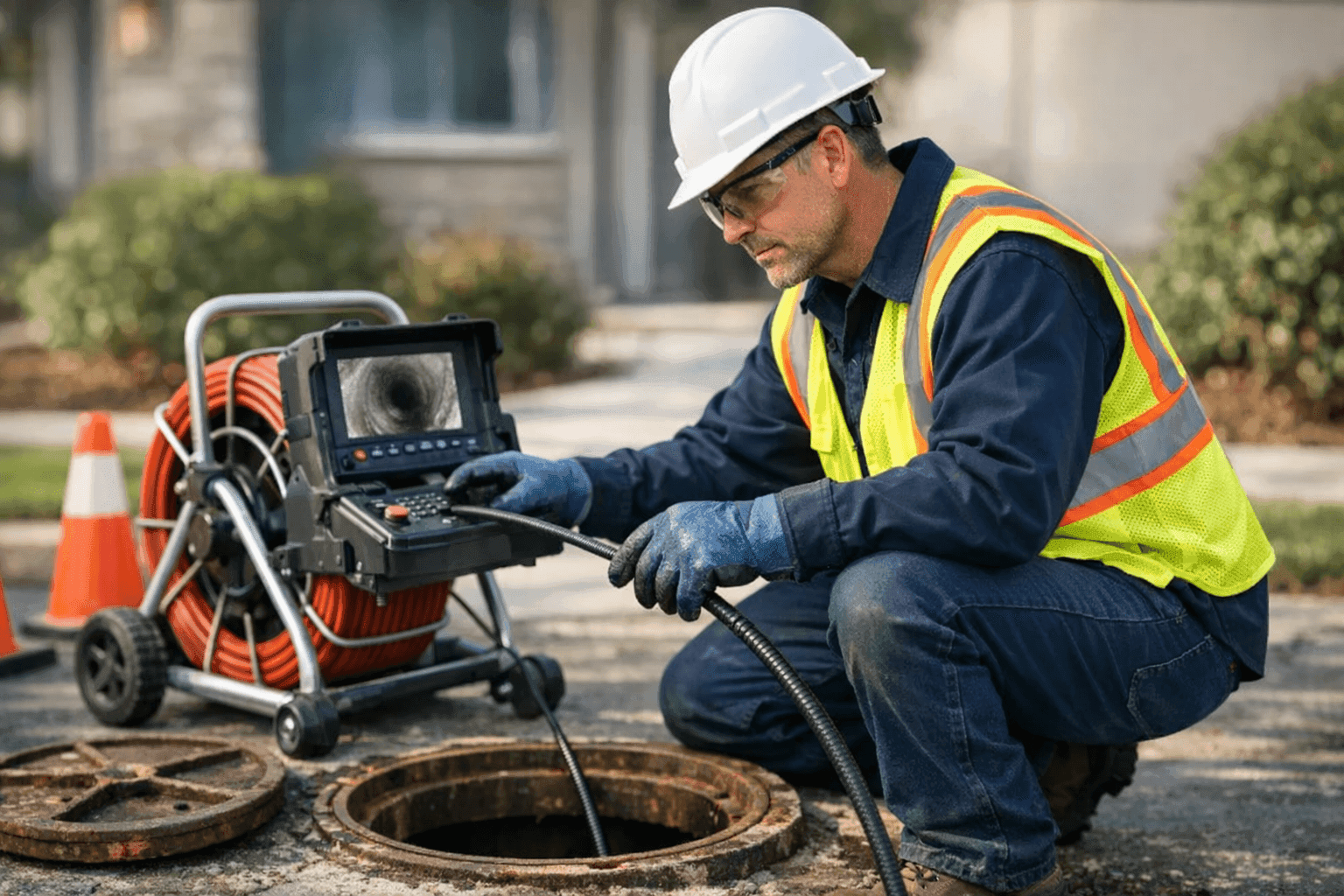
- Assessment & Camera Inspection: A small camera snakes through your pipes, showing the problem area in real time.
- Diagnosis: The technician explains the cause—roots, collapse, corrosion, or blockage.
- Options & Estimate: You’ll get a rundown of repair or replacement options, plus time and cost factors.
- Permits & Prep: For major work, permits and local code compliance are a must.
- Repair or Replace: Work begins. This could be a quick re-lining or a full dig-and-replace.
- Cleanup & Testing: The area is restored as much as possible, and water flow is tested to confirm the fix.
Many repairs come with clear documentation and warranty options on parts and labor. Ask for details upfront.
When It’s an Emergency
Not every slow drain is urgent. But raw sewage backing up, or water pouring into a basement, is an emergency. Quick response matters:
- Shut off water to affected fixtures.
- Keep people and pets away.
- Call for emergency plumbing help right away.
If you live in an area like Lincoln, you can always check local response options for quick support.
Materials and Equipment Used
Modern sewer line repairs use specialized tools:
- High-Resolution Cameras: For inspections inside the pipe.
- Hydro-Jetting Machines: Blast out stubborn clogs with high-pressure water.
- Pipe Bursters or Liners: Used in trenchless repairs to replace or reinforce old pipes.
- Excavators: For traditional digging when needed.
All work must follow local plumbing codes to keep your system safe and up to date.
DIY vs. Calling a Professional
Some drain clogs can be solved with a plunger or drain snake. But when it comes to sewer line repairs, DIY is risky:
- Hidden Hazards: You can’t see what’s underground.
- Permit Requirements: Most cities require licensed pros for sewer work.
- Potential Damage: Digging without proper knowledge risks hitting gas, water, or electrical lines.
Professional plumbers use video inspections and specialized tools, giving you peace of mind and safer results. For minor clogs, go ahead and try plunging. But for the big stuff? Get a pro.
Prevention & Maintenance
The best repair is the one you never need. Here’s how to protect your pipes:
- Avoid flushing wipes, grease, or non-degradable items.
- Schedule regular inspections, especially for older homes or businesses.
- Plant trees away from sewer lines.
- Watch for early warning signs—don’t ignore slow drains.
Preventative maintenance is your early warning system. It’s like getting a checkup for your home or business plumbing.
Costs & Time Factors 💲
Sewer line repairs can range from a quick fix to a major project:
- Minor Repairs: A few hours and a modest bill.
- Major Replacements: Can take days, especially if digging is involved.
- Trenchless Methods: Often faster but may cost more upfront.
Costs depend on pipe length, depth, and location. Always ask for a detailed estimate and timeline before work begins.
Timeline & Disruption
How long will you be without your plumbing? It varies:
- Simple Repairs: Often done same-day.
- Full Replacements: May take a few days, depending on weather and permits.
- Access Issues: If pipes are under driveways or large trees, expect more time.
Good communication from your plumber helps you plan around any disruption.
Seasonal Considerations
Winter brings frozen ground and extra challenges for digging. Heavy spring rains can stress old pipes. If your area’s weather is extreme, plan repairs or maintenance for milder months if possible.
Common Mistakes to Avoid
- Waiting Too Long: Delaying repairs leads to bigger problems (and bigger bills).
- Ignoring Small Signs: Little leaks or slow drains rarely fix themselves.
- Choosing Patchwork Over Replacement: Sometimes, it’s smarter to invest in a full fix rather than recurring repairs.
Camera Inspections: The Modern Gold Standard
A camera inspection is like a doctor’s X-ray for your pipes. It shows exactly where the problem is, so you avoid guesswork or unnecessary digging. Many professionals recommend this for both diagnosis and as proof that repairs were done right.
You can learn more about the process and benefits by exploring our sewer line repair solutions.
Warranty Options & Documentation
Professional plumbing repairs often come with clear documentation and warranty options. While specifics vary, always ask for written details on what’s covered, how long, and any maintenance required to keep warranties valid.
FAQs
How do I know if I need sewer line repair?
Slow drains, repeated backups, foul odors, and changes in your lawn are all clues.
How often should I schedule a sewer line inspection?
Every 2–3 years for older properties, or sooner if you notice problems.
Can a sewer line be repaired without digging?
Often yes, with trenchless methods—ask your plumber if it’s possible for your situation.
Is sewer line repair covered by insurance?
Sometimes, if the damage is sudden and accidental. Check your policy and document all damage.
How do I find Water Heater Installation near you or other plumbing services?
Search for reputable, licensed companies who offer a full range of plumbing solutions—including inspections and repairs.
Preparing for Service
Before your appointment:
- Clear personal items around work areas.
- Notify your plumber of underground utilities or recent landscaping.
- Ask about estimated timelines and temporary water shut-offs.
The Bottom Line
Sewer line problems can be a headache, but you don’t have to face them alone. From the first sign of trouble to the final test flush, understanding your options helps you make smart, confident decisions for your property.
Call Splash Plumbing now — or reach us anytime at 877-879-0650 .