Signs You Need Repiping: When to Replace Your Home’s Plumbing
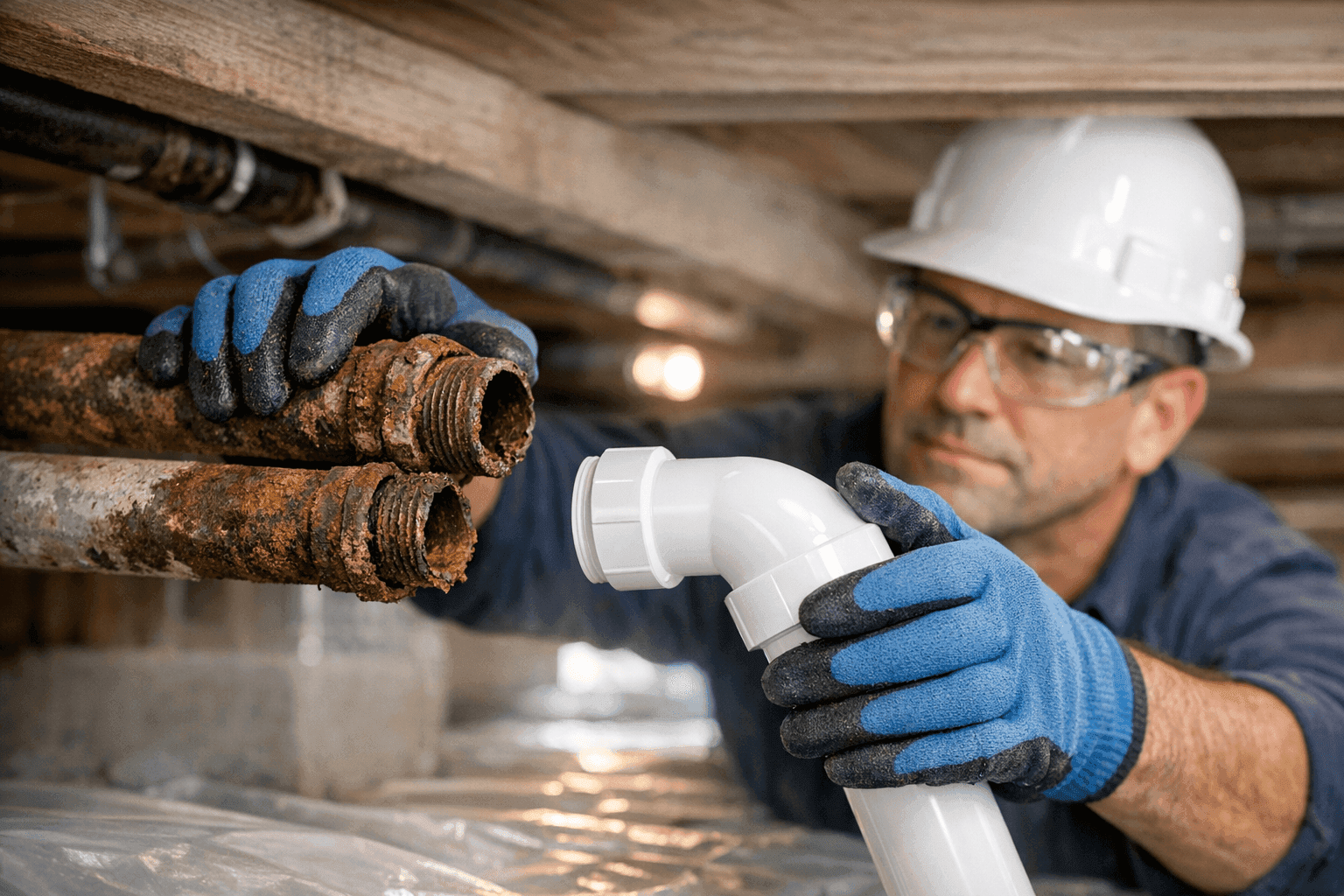
Have you noticed your water looks rusty, or does your plumbing sound like an old radiator in winter? You’re not alone. Old pipes can turn daily routines into frustrating chores. At Splash Plumbing, we know the signs that say it’s time for a new chapter in your home’s plumbing story.
Ignoring the early warning signals of failing pipes can lead to big messes—and even bigger repair bills. Understanding these signs now can save you from headaches later.
How to Spot Repiping Needs 🚰
Your plumbing is the silent workhorse behind showers, cooking, and laundry. But like all things, pipes age. Recognizing signals that yours are ready for retirement is key.
- Frequent Leaks: If you’re calling for leak repairs every few months, your pipes may be wearing thin. Small leaks often hint at bigger problems waiting to surface.
- Discolored Water: Rusty or brown water is a red flag. It’s often caused by corrosion inside old steel or iron pipes.
- Low Water Pressure: A sudden dip in pressure can mean mineral buildup, pipe corrosion, or hidden leaks siphoning away your water.
- Odd Tastes or Odors: Metallic tastes or musty smells mean your pipes could be breaking down.
- Visible Corrosion: Green, white, or rusty stains on exposed pipes? That’s a sign the metal is reacting to water and air—often a prelude to leaks.
- Noisy Pipes: Banging, rattling, or whistling can mean pipes are loose or have pressure issues caused by aging materials.
If more than one of these rings true, it might be time to consider repiping your plumbing.
Understanding Pipe Lifespans
Just like roofs and appliances, pipes have a “best by” date.
- Galvanized Steel: 40–60 years
- Copper: 50+ years
- PVC/PEX: 40–50 years
If your house is older than its pipes’ expected lifespan, it’s wise to have them checked. Local building codes (e.g., International Plumbing Code) often recommend pipe inspections for homes over 40 years old. Don’t let outdated materials catch you off guard.
Risks of Delaying Repiping
Putting off pipe replacement is like driving on bald tires—eventually, something will give.
- Costly Water Damage: Leaks can ruin floors, walls, and personal belongings.
- Mold Growth: Hidden moisture means mold can spread, damaging property and health.
- Unexpected Emergencies: A burst pipe can flood your basement or kitchen in minutes.
- Water Quality Concerns: Corroded pipes can leach metals or bacteria into your drinking water.
Ignoring these risks can turn a manageable project into a full-blown crisis.
Benefits of New Pipes
Repiping is a big decision. But it’s an investment that pays off in many ways.
- Peace of Mind: No more surprise leaks or water stains.
- Cleaner Water: Fresh pipes mean no more rust or metallic tastes.
- Improved Pressure: Enjoy full showers and efficient appliances.
- Higher Home Value: Modern plumbing is a selling point for any property, residential or commercial.
- Lower Maintenance: Fewer calls to the plumber for emergency fixes.
When Is It an Emergency?
Some plumbing problems can wait. Others can’t.
- Major Leak or Burst: Shut off your main valve and call for help immediately.
- Flooding: Water pooling on floors or coming through ceilings? Act fast—water damage moves quickly.
- Sewer Smells or Backups: Health hazard. Don’t delay.
If you’re in a pinch and need fast support, Lafayette residents and businesses can reach out to our team anytime.
Choosing the Right Pipe Materials
Replacing pipes isn’t one-size-fits-all. Your options include:
- Copper: Durable, reliable, and time-tested.
- PEX: Flexible, freeze-resistant, and easy to install.
- PVC: Common for drain lines—lightweight and cost-effective.
- CPVC: Handles hot water well.
We assess your property’s needs, building codes, and budget to recommend the best fit.
The Repiping Process: What to Expect
Repiping your home doesn’t have to be a nightmare. Here’s how it typically unfolds:
- Assessment: We inspect, identify problem areas, and map out a plan.
- Preparation: Furniture and fixtures near work zones are protected or moved.
- Access: Small holes are made in walls or ceilings to reach old pipes.
- Replacement: Old pipes out, new pipes in—section by section.
- Testing: Water is turned back on, and every connection is checked for leaks.
- Restoration: Walls and surfaces are patched and finished.
Most single-family homes take 2–5 days. Larger or commercial properties may need more time.
How Pros Diagnose Pipe Health
Licensed plumbers use a mix of experience and technology:
- Video Camera Inspections: Snaking cameras through pipes reveals corrosion, blockages, and cracks.
- Pressure Testing: Detects hidden leaks or weak spots.
- Water Analysis: Checks for metals or contaminants.
- Visual Checks: Examining exposed pipes for corrosion or leaks.
This thorough approach ensures that no trouble spot is missed during a pipe repair or full repipe.
Seasonal Considerations
Cold snaps can stress older pipes, causing cracks or bursts. Summer brings higher water demand and pressure. If your plumbing acts up during seasonal changes, don’t ignore it—it may be a sign your system needs attention before the next extreme.
Quick Safety Checklist
Before scheduling repiping, do a quick home check:
- Shut off water at the main valve if a major leak occurs.
- Move valuables away from areas with visible leaks or damage.
- Note any recurring plumbing problems for your plumber.
DIY vs. Call a Pro
Small fixes, like tightening a joint or replacing a washer, are fair game for handy homeowners. But repiping is a complex, code-driven job. Licensed professionals ensure:
- Materials meet local codes (see your municipality’s plumbing regulations).
- Pressure and flow rates are balanced.
- Job sites are safe and clean.
Cutting corners can lead to leaks, water damage, or failed inspections.
Common Mistakes to Avoid
- Ignoring Small Leaks: They often signal bigger, hidden problems.
- Patching Over Corrosion: Surface fixes don’t solve underlying pipe decay.
- Using Mismatched Materials: Can accelerate corrosion or create weak points.
- Skipping Permits: Legal trouble and failed inspections can follow.
Preparing for Repiping Day
Help your plumber—and yourself—by:
- Clearing under sinks and around plumbing access points.
- Planning for short water shut-offs.
- Communicating household routines and any special needs.
Clear communication makes the process smoother for everyone.
Preventative Maintenance: Keep Pipes Healthier, Longer
Once your new pipes are in, keep them trouble-free by:
- Avoiding harsh drain chemicals.
- Scheduling annual leak detection.
- Watching for early warning signs, like slow drains or odd noises.
- Insulating pipes before winter.
Simple habits can extend the life of your plumbing and save money over time.
Frequently Asked Questions
How much does repiping cost?
Costs depend on materials, home size, and access. National averages range widely, but an in-person assessment gives the most accurate answer.
Will my whole house need to be repiped?
Not always. Sometimes only specific lines or sections are affected. A professional assessment will clarify what’s needed.
Can I stay home during repiping?
In most cases, yes. There might be brief interruptions to water service, but good planning minimizes disruption.
How do I know if my pipes are lead?
Homes built before 1986 are at higher risk. If in doubt, have a licensed plumber inspect and test your water.
Final Thoughts
Your home’s plumbing is more than pipes—it’s peace of mind, clean water, and comfort. When you spot the warning signs, don’t wait for the next leak to become a flood. Let Splash Plumbing help you write a better chapter for your home or business.
Call Splash Plumbing now — or reach us anytime at 877-879-0650 .