Sump Pump Failure: Causes, Warning Signs, and Solutions
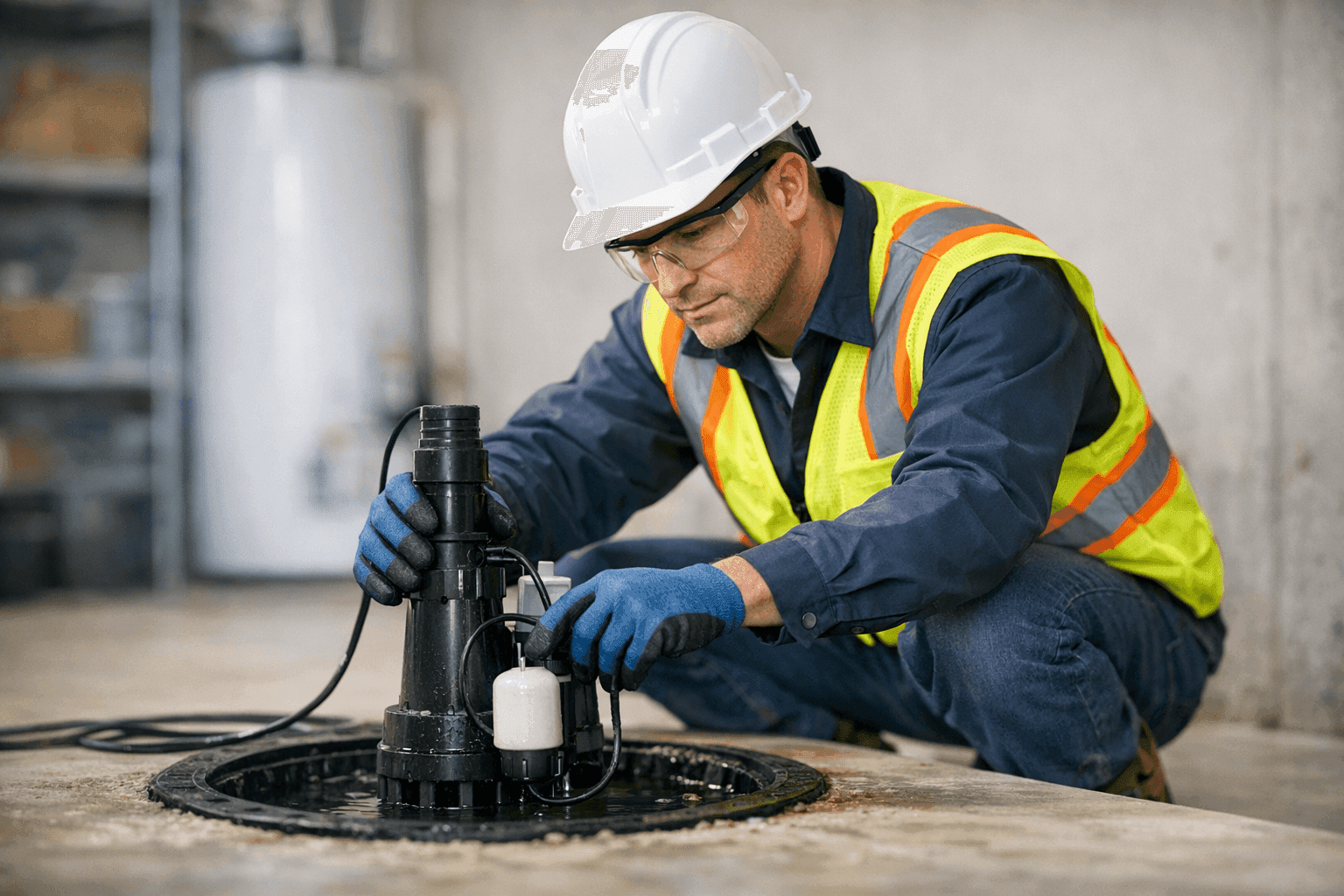
When the rain pours or snow melts, your basement’s safety depends on a single, hardworking device: the sump pump. If it fails, water can rush in, turning a dry, peaceful space into a soggy mess. At Splash Plumbing, we know how quickly sump pump trouble can go from minor annoyance to full-blown disaster.
Whether you’re a homeowner or manage a commercial property, understanding why sump pumps fail—and how to spot issues early—can save you thousands in repairs and heartache. Let’s break down the most common causes, the warning signs, and what you can do to keep your property protected.
Why Sump Pumps Fail
Sump pumps are like the goalies of your basement, blocking water from flooding your space. But even the best goalie can have an off day. Here’s why sump pumps sometimes let water slip by:
- Power Loss: Storms can knock out electricity just when you need your sump pump most. No power, no pumping.
- Float Switch Problems: The float switch acts like a traffic cop, telling the pump when to start and stop. If it sticks, your pump might not turn on—or it could run nonstop.
- Clogs and Blockages: Debris, silt, or even small toys can block the intake or discharge pipe, making your pump work overtime or not at all.
- Mechanical Failure: Like any machine, parts wear out. Motors burn out, bearings seize, or impellers break.
- Improper Installation: If a pump is too small, installed incorrectly, or lacks a check valve, it may struggle from day one.
- Old Age: Most pumps last 7–10 years. After that, they’re running on borrowed time.
Warning Signs to Watch For ⚠️
Your sump pump won’t send you a calendar invite before it fails. Instead, it drops hints. Here’s what to listen and look for:
- Strange Noises: Grinding, rattling, or squealing can mean worn parts or debris inside.
- Runs Constantly: If the pump never shuts off, the float switch could be stuck, or the pit may be too full.
- Starts and Stops Rapidly: Short cycling wears out motors and often points to a faulty switch or wiring.
- Visible Rust or Corrosion: This can clog moving parts and signal water quality issues.
- Water in the Basement: The most obvious—and most dreaded—sign.
- Musty Odors: Persistent dampness, even without standing water, signals the pump isn’t keeping up.
How Sump Pump Failure Can Lead to Flooding
Think of your sump pump as a bouncer at the basement door. When it’s not working, water flows in unchecked. Flooding can damage walls, flooring, electrical systems, and even the foundation itself. Mold and mildew thrive in damp conditions, leading to health risks and costly remediation.
The National Association of Home Builders and FEMA both stress the importance of regular sump pump checks to reduce flood risk. Even a few inches of water can lead to thousands in repairs.
DIY Troubleshooting: What You Can Check
Not every sump pump issue requires a toolbox—or a plumber. Here are a few simple things you can check before calling for help:
- Check the Power: Make sure the pump is plugged in and the breaker hasn’t tripped.
- Test the Float: Pour water into the pit. The pump should kick on as the float rises.
- Inspect for Debris: Clear out leaves, dirt, or objects from the pit and discharge line.
- Listen Closely: Odd sounds may point to obstructions or worn parts.
- Check Discharge Pipe: Make sure it isn’t frozen or blocked outside.
If these steps don’t fix the problem, or if you’re unsure, it’s time to call in a professional for sump pump repair.
When It’s an Emergency
A failed sump pump during a storm isn’t just inconvenient—it’s an emergency. Water can rise fast, especially in low-lying areas or older basements. If you see water pooling or the pump won’t turn on, act quickly to minimize damage.
For those facing urgent situations in DuPage County, Elmhurst plumbing services are available around the clock for both residential and commercial needs.
Mechanical Failures: What Can Go Wrong Inside
A sump pump’s motor and moving parts are like the heart and veins of the system. Over time, bearings can seize, impellers break, or the motor overheats. If your pump hums but doesn’t move water, or if it won’t run at all, internal components may be to blame.
Always unplug the unit before inspecting. Never reach into a sump pit with the power on.
Electrical Issues: Power Loss and Backup Options
Power outages are a leading cause of sump pump failure. A battery backup or water-powered backup system can keep your pump running when the grid goes down. Backup options are especially important in areas prone to storms or heavy rain.
The National Electrical Code (NEC) recommends dedicated circuits and GFCI outlets for sump pumps to reduce electrical hazards.
Float Switches: The Most Common Culprit
The float switch is a simple device, but it’s often the first thing to go wrong. If it gets stuck or tangled, your pump won’t know when to turn on or off. Keep the pit free of debris, and check the float’s movement during routine inspections.
Clogs: The Hidden Threat
A clog in the intake screen or discharge line is like a traffic jam for water. Dirt, gravel, or even ice can block the flow. Regular cleaning helps, but if you notice slow drainage or the pump straining, a blockage may be the cause.
Maintenance Schedules: How Often Should You Check?
Just as you wouldn’t drive your car for years without an oil change, your sump pump needs regular attention. Here’s a simple schedule:
- Quarterly: Test the pump with water, inspect the float, and clear debris.
- Annually: Clean the pit, check the discharge line, and inspect for corrosion.
- Before Storm Season: Test backup systems and make sure the power supply is secure.
To make life easier, consider scheduling preventative maintenance with a professional plumber.
Seasonal Considerations: Spring Thaw and Heavy Rains 🌧️
Spring and fall are high-risk times for sump pump failure. Melting snow and seasonal storms can overwhelm older or underpowered pumps. Before the rainy season, test your system, inspect the pit, and make sure the discharge line is clear.
Flood Risk Insights: Protecting Your Property
Flooding isn’t just a hassle—it can impact your home’s value and your family’s health. The Environmental Protection Agency (EPA) recommends sump pumps as a first line of defense against basement water damage. Insurance claims for water damage can take months to resolve, and some policies exclude sump pump failure.
DIY vs. Call a Pro: Knowing Your Limits
If you’re comfortable with basic checks—like testing the float or clearing debris—you can handle simple maintenance. But electrical issues, mechanical failure, or persistent leaks call for a licensed plumber. Attempting complex repairs without the right tools or experience can make things worse.
What Pros Do When They Arrive
A professional plumber will:
- Inspect the entire system, including the pit, pump, and discharge line
- Test electrical connections and backup systems
- Check for code compliance and safety hazards
- Recommend repairs or upgrades based on age and condition
This thorough approach keeps your basement dry and your mind at ease.
Common Mistakes That Lead to Sump Pump Failure
- Ignoring warning signs or strange noises
- Skipping annual maintenance
- Using extension cords instead of dedicated outlets
- Letting debris build up in the pit
- Failing to test the pump before rainy seasons
Avoiding these pitfalls can extend your pump’s life and keep your property safe.
Costs and Time Factors
Sump pump repair costs depend on the problem—simple fixes are quick and affordable, while full replacements or major electrical work take longer and cost more. Most repairs can be completed in a single visit, with minimal disruption to your routine.
Emergency Preparedness: Planning Ahead
No one wants to scramble during a storm. Keep your basement clear, store valuables off the floor, and test your pump regularly. If your property is prone to flooding, consider a battery backup and keep a list of emergency contacts handy.
FAQ: Sump Pump Failure
How long do sump pumps last?
Most last 7–10 years with regular care.
Do I need a backup system?
If your area loses power during storms, a backup is a smart investment.
Can I install a sump pump myself?
Basic models can be DIY, but professional installation ensures proper sizing and code compliance.
What if my pump runs but doesn’t remove water?
This usually means a clog, faulty check valve, or mechanical failure—call a plumber.
The Value of Professional Care
Routine maintenance and timely repairs can make all the difference. With so much at stake, investing in professional plumbing services pays off in peace of mind and property protection. If you’re searching for “Water Heater Installation near you” or other plumbing help, Splash Plumbing is ready for the job.
Call Splash Plumbing now — or reach us anytime at 877-879-0650 .