The Homeowner’s Guide to Preventative Plumbing Maintenance
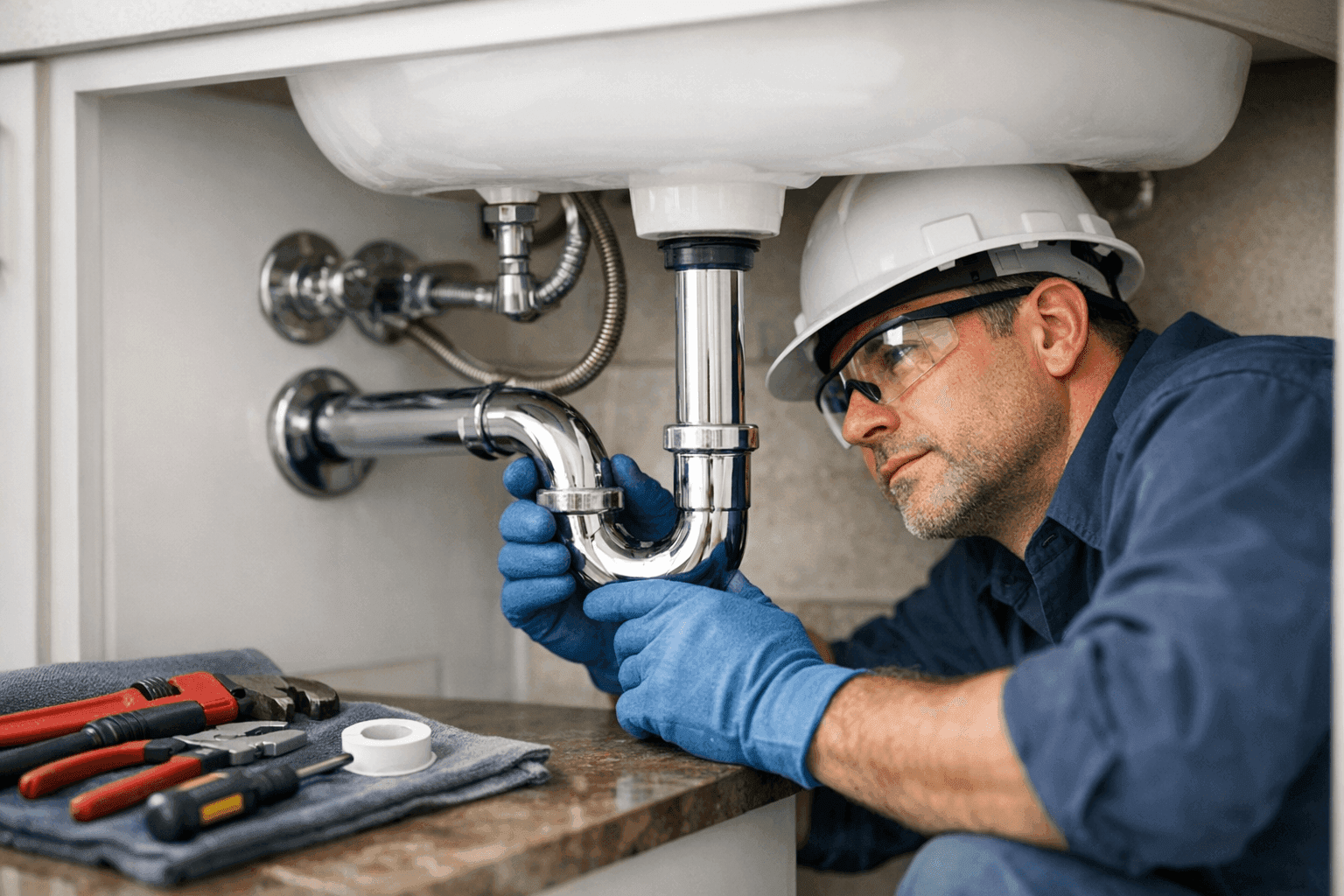
Plumbing problems don’t wait for a convenient time. One minute, your home is calm. The next, you’re ankle-deep in water or facing a stubborn clog. It’s stressful, expensive, and always seems to happen when you least expect it.
At Splash Plumbing, we know how disruptive even a small leak can be. That’s why we believe in proactive care. Think of your plumbing like the silent veins of your home—healthy pipes mean a healthy house.
Why Maintenance Matters 🛠️
Neglecting your plumbing is like ignoring the oil light on your car. It might run for a while, but eventually, you’ll face a breakdown. Regular checkups keep your system running at its best and can help you spot small issues before they turn into major headaches.
Benefits of plumbing maintenance include:
- Lower repair costs over time
- Fewer emergencies and less disruption
- Better water pressure and efficiency
- Longer lifespan for pipes, fixtures, and appliances
- Safer drinking water and healthier indoor spaces
The Plumbing-Heating-Cooling Contractors Association (PHCC) recommends routine inspections and seasonal maintenance to reduce risks and keep your system code-compliant.
DIY Plumbing Maintenance Tasks
Some plumbing care is as simple as brushing your teeth. You don’t need special tools—just a keen eye and a few minutes each month.
Monthly checklist:
- Look under sinks for damp spots or signs of leaks.
- Run water in little-used drains (like guest bathrooms) to keep traps full.
- Clean faucet aerators to remove buildup.
- Listen for odd noises from your water heater or pipes.
- Check for slow drains—catching clogs early makes a big difference.
Quarterly tasks:
- Test all toilets for leaks by adding a few drops of food coloring to the tank. If color appears in the bowl, you’ve got a leak.
- Inspect washing machine hoses for cracks or bulges.
- Clean out sink and tub stoppers.
Annual DIY:
- Drain and flush your water heater to remove sediment (follow manufacturer instructions and safety tips from the International Association of Certified Home Inspectors).
- Inspect exposed pipes for corrosion, rust, or mineral buildup.
- Check outdoor hose bibs for leaks after winter.
When to Call a Pro
Some jobs are best left to the pros—like trying to fix a leaky gas line or tackling a sewer backup. If you spot any of these, it’s time to get help:
- Water stains on ceilings or walls
- Persistent leaks under sinks or behind fixtures
- Sudden drops in water pressure
- Unusual smells (rotten eggs, sewer gas)
- Gurgling drains or frequent backups
If you’re looking for thorough preventative maintenance services, a licensed plumber can spot hidden issues, test water pressure, and provide peace of mind.
Seasonal Maintenance Tips 🌦️
Every season brings new challenges for your pipes. Here’s how to stay ahead:
Spring
- Check for leaks or damage from winter freezes.
- Inspect sump pumps—test by pouring a bucket of water into the pit.
- Clean gutters and downspouts to prevent water from pooling near your foundation.
Summer
- Inspect outdoor faucets and irrigation lines for leaks.
- Clean out drains and remove debris.
- Monitor for signs of mold or mildew in damp areas.
Fall
- Disconnect garden hoses and drain outdoor faucets.
- Insulate exposed pipes in garages, basements, or crawl spaces.
- Schedule a professional water heater inspection before the holidays.
Winter
- Let faucets drip during deep freezes to prevent burst pipes.
- Keep cabinet doors open under sinks to allow warm air to circulate.
- Know where your main shut-off valve is located—just in case.
Lowering Repair Costs: The Real-World Payoff
A small drip can waste hundreds of gallons of water each year. Catching it early means you won’t be paying for wasted water or expensive repairs down the road. Preventative care is like insurance for your home’s plumbing—it’s an investment that pays for itself.
Fewer Emergencies, More Peace of Mind
Emergencies are stressful. With regular maintenance, you’ll sleep easier knowing your pipes, fixtures, and appliances are in good shape. You can also avoid water damage, mold growth, and the hassle of last-minute repairs.
Better Efficiency and Healthier Water
Sediment in your water heater or mineral buildup in pipes can reduce efficiency and affect water quality. Regular cleaning and inspection keep everything flowing smoothly. Plus, you’ll notice better water pressure and fewer strange tastes or odors.
Common Plumbing Mistakes to Avoid
- Using chemical drain cleaners too often—they can damage pipes.
- Ignoring small leaks (“It’s just a drip!”) until they become floods.
- Hanging heavy items from exposed pipes.
- Pouring grease or coffee grounds down the kitchen sink.
A little caution now saves a lot of trouble later.
Signs of Trouble: What to Watch For
- Moldy or musty smells near sinks or drains
- Water spots on floors, walls, or ceilings
- Banging, rattling, or whistling noises in pipes
- Sudden increases in water bills
- Discolored water from taps
These are your early warning signs—don’t ignore them.
What Pros Do On Arrival
When a professional plumber arrives, they’ll:
- Inspect visible and hidden pipes for leaks or corrosion
- Test water pressure and flow rates
- Check for proper drainage and venting
- Examine water heaters, sump pumps, and fixtures
- Offer recommendations based on current plumbing codes and manufacturer guidelines
This thorough approach catches issues most homeowners miss.
Timeline & Disruption: What to Expect
Most maintenance visits take less than two hours. There’s minimal disruption—no need to clear your schedule for the day. And you’ll get a clear report of what’s working, what needs attention, and what can wait.
Materials and Equipment: What’s Needed
For DIY tasks, you’ll want:
- A flashlight
- Adjustable wrench
- Plumber’s tape
- Bucket and towels
- Basic cleaning supplies
Pros use specialized tools—cameras for pipe inspection, gauges for pressure testing, and more.
FAQ: Your Plumbing Maintenance Questions
How often should I schedule professional maintenance?
Most homes benefit from an annual inspection, but older homes or those with recurring issues may need more frequent visits.
Is preventative maintenance really worth it?
Absolutely. It’s far less costly than repairing water damage or replacing failed pipes.
Can I handle all maintenance myself?
Some tasks are DIY-friendly, but hidden leaks, gas lines, and sewer issues require professional skill.
Local Support When You Need It Most
Whether you’re facing a stubborn clog or just want to keep things running smoothly, local support makes all the difference. For those seeking plumbing services in Fort Smith, help is always close by.
Build a Maintenance Habit
Set reminders on your phone or calendar for monthly and seasonal checks. Treat your plumbing like a living system—it needs regular attention to stay healthy.
Ready for Reliable Plumbing?
Don’t wait for a leak to become a flood. Take charge of your home’s health with routine care. If you need help with maintenance checklist planning or want a professional set of eyes on your system, Splash Plumbing is here to help.
Call Splash Plumbing now — or reach us anytime at 877-879-0650 .