Toilet Troubleshooting: Unclogging, Repairs & Preventative Tips
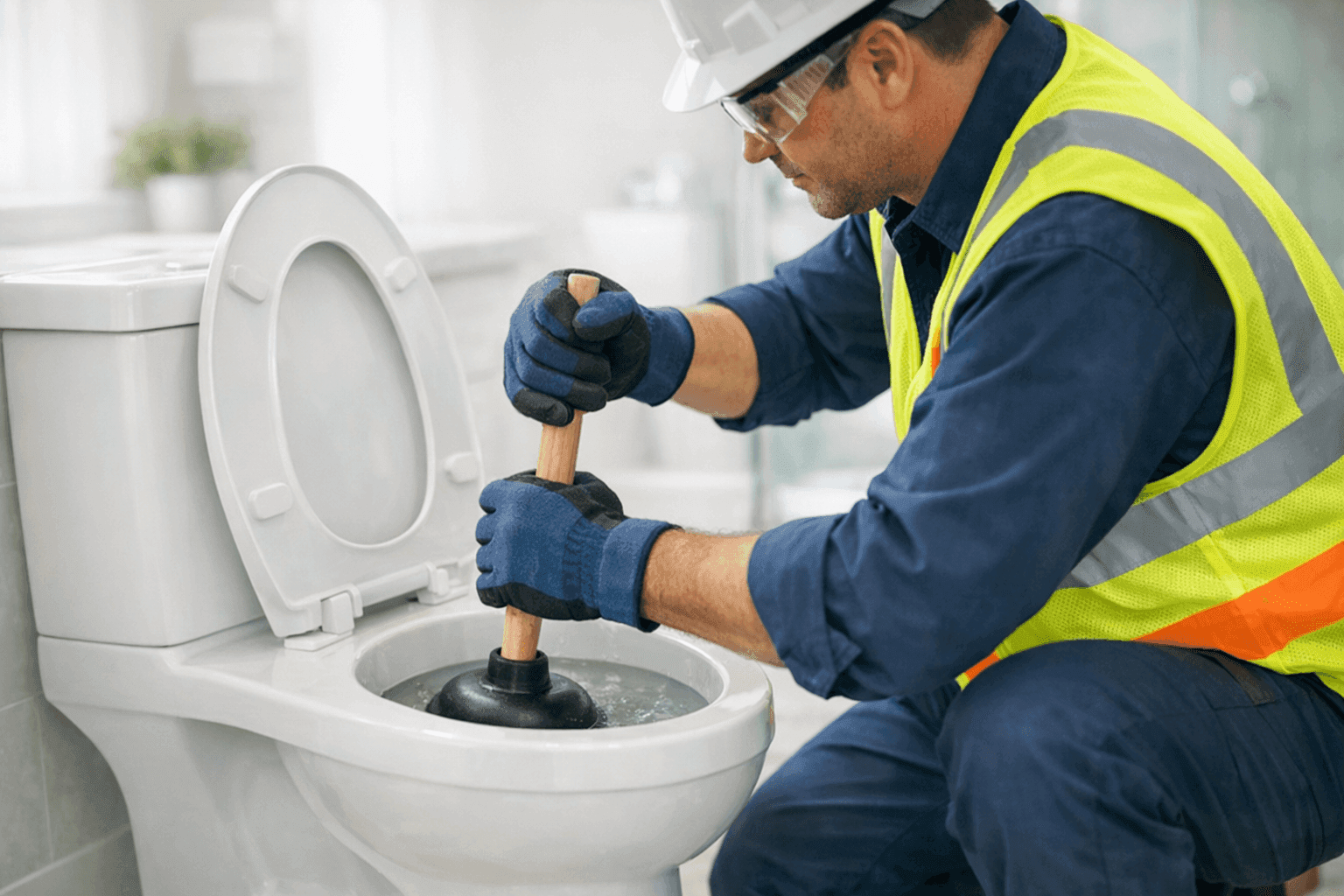
When your toilet stops working, life gets messy—fast. Whether it’s a stubborn clog or a mysterious leak, these problems never wait for a convenient moment. At Splash Plumbing, we understand how urgent these issues feel, and we’re here to help you get back to normal, quickly and safely.
Toilets are the unsung heroes of every home and business. When they falter, everything else seems to grind to a halt. Let’s walk through the most common toilet troubles, how to tackle them, and when it’s time to call for backup.
Common Toilet Problems 🚽
Toilets can act up in all sorts of ways. Some issues are simple, others need a trained hand. Here are the big ones:
- Clogs: Water rising instead of draining? That’s a classic sign.
- Constant Running: It’s like your toilet’s stuck in a marathon, wasting water and money.
- Weak Flush: When a flush barely moves anything, there’s likely a hidden problem.
- Leaks: Water pooling around the base, or a mysterious drip inside the tank.
Each of these problems can hint at something minor—or signal a bigger issue in your plumbing system.
DIY Unclogging Methods
Before you reach for the phone, you might want to try a few safe, at-home tricks. Think of unclogging a toilet like fishing: patience, the right tools, and a gentle touch go a long way.
- Plunger: Use a flange plunger for the best seal. Place it over the drain hole and push with steady force. A few rhythmic pumps often do the trick.
- Hot Water and Dish Soap: Pour a generous squirt of dish soap into the bowl, followed by a bucket of hot (not boiling) water. Let it sit for 15–20 minutes.
- Plumbing Snake: For tougher clogs, a toilet auger can reach deeper into the pipes.
- Avoid Chemicals: Liquid drain cleaners can damage pipes and toilets. Stick with mechanical methods.
If you’re unsure, or if water’s threatening to overflow, don’t risk it. Professional unclogging toilets services are always an option.
Signs You Need More Than a Plunger
Some problems go beyond a quick fix. Watch for these warning signs:
- Recurring clogs: If your toilet clogs again and again, the problem could be deeper in the line.
- Water around the base: This points to a failing wax ring or cracked flange.
- Gurgling sounds: Air in the pipes can mean a venting or sewer issue.
- Cracks in porcelain: Even hairline cracks can lead to leaks and bigger headaches.
What Causes Toilet Clogs?
Most clogs are caused by too much paper, “flushable” wipes (which aren’t really flushable), or foreign objects. In commercial settings, anything from paper towels to kids’ toys can end up down the drain.
Older plumbing, tree roots, and sagging pipes can also slow things down. Regular maintenance helps spot these issues before they become emergencies.
How to Handle a Constantly Running Toilet
A running toilet is like a leaky wallet. Usually, it’s a worn flapper, sticky float, or faulty fill valve. Here’s what you can do:
- Remove the tank lid and check the flapper. If it’s warped or brittle, replace it.
- Make sure the chain isn’t tangled or too short.
- Adjust the float so the water stops about an inch below the overflow tube.
Still running? It might be time for a new fill valve or a closer look from a pro.
Weak Flush? Here’s What Might Be Happening
A weak flush can feel like a slow-motion replay. Common causes include:
- Low water level in the tank
- Mineral buildup in rim holes or siphon jet
- Partial clogs down the line
Try cleaning the rim holes with a small brush and vinegar. If the problem sticks around, the issue could be deeper.
Leaks: The Silent Water Wasters
Leaks can be sneaky. Sometimes you’ll see water at the base, other times you’ll hear a faint hiss from the tank. Both can waste gallons a day.
- Check the supply line and shutoff valve for drips.
- Test the flapper by adding a few drops of food coloring to the tank. If color seeps into the bowl, the flapper isn’t sealing.
Leaks at the base usually mean the wax ring needs replacing. This job involves lifting the toilet—best handled by someone who knows their way around toilet repair.
Quick Safety Checklist 🛠️
Before any DIY repair, keep safety in mind:
- Turn off the water supply at the shutoff valve.
- Keep towels or a mop handy for spills.
- Wear gloves when handling the toilet or cleaning up overflows.
- Never use boiling water—it can crack porcelain.
If you suspect a gas line issue (for toilets with integrated bidet seats or nearby appliances), stop and call a licensed plumber immediately.
When to Repair or Replace
Not every toilet is worth saving. Ask yourself:
- Age: Toilets over 20 years old are less efficient and more prone to problems.
- Cracks: Any visible crack is a deal-breaker.
- Frequent repairs: If you’re calling for help every few months, replacement is usually more cost-effective.
- Water usage: Newer models use less water per flush, saving money and meeting EPA WaterSense standards.
Replacing a toilet can also be a chance to upgrade to a water-saving model or add features like bidet seats or comfort height.
What Pros Do on Arrival
When you call a plumber, here’s what typically happens:
- Inspection: A close look at the toilet, supply lines, and nearby fixtures.
- Diagnosis: Pinpointing the cause—be it a clog, faulty part, or hidden leak.
- Repair or replacement: Using the right tools and parts, following local plumbing codes for safety.
- Testing: Ensuring everything flushes, seals, and drains as it should.
Pros also check for bigger plumbing issues that might not be obvious, like venting problems or mainline blockages.
Emergency Toilet Issues: What Counts?
Certain toilet problems can’t wait:
- Overflowing water that won’t stop
- Sewage backup or foul odors
- Leaks threatening floors or ceilings below
In these cases, turn off the water supply and call for immediate help. For those in the area, Portland plumbing services are available when urgent situations strike.
Seasonal Considerations
Cold snaps can freeze pipes, leading to cracks or leaks—especially in older buildings. Summer guests can stress plumbing with higher usage. A seasonal checkup can prevent surprises.
Preventative Tips to Keep Toilets Trouble-Free 🚰
An ounce of prevention beats a pound of plunging. Try these habits:
- Only flush toilet paper—no wipes, feminine products, or paper towels.
- Teach kids what can (and can’t) go down.
- Check for leaks monthly.
- Upgrade to water-saving toilets to cut down on waste.
- Schedule annual plumbing checkups to spot problems early.
The EPA’s WaterSense program has great tips on saving water and choosing efficient fixtures.
Common Mistakes to Avoid
- Overusing chemical drain cleaners—they can eat away at pipes and seals.
- Ignoring slow drains or silent leaks.
- Tightening bolts or fittings too much, risking cracks.
A little caution and the right tools go a long way.
Materials and Equipment Pros Use
- Heavy-duty flange plungers
- Toilet augers (not the same as sink snakes)
- Adjustable wrenches and channel locks
- Wax rings or rubber seals
- Water-saving replacement parts
Using proper tools helps avoid accidental damage and ensures repairs last.
Timeline & Disruption: What to Expect
Most toilet repairs take under an hour, but big jobs—like replacing a toilet or fixing a hidden leak—can take longer. Professionals work to minimize disruption, protecting floors and cleaning up thoroughly.
Frequently Asked Questions
How often should I replace my toilet?
With good maintenance, toilets can last 20–30 years. Replace sooner if you see cracks, leaks, or constant problems.
Can I use a plunger on every clog?
Most clogs respond to a plunger, but stubborn ones may need an auger or professional help.
Are “flushable” wipes really safe?
No. Even “flushable” wipes can cause big clogs and sewer issues.
What does it mean if my toilet gurgles when I flush?
Gurgling usually means a venting problem or partial blockage further down the line.
When to Call an Expert
If DIY methods don’t work, if you spot leaks, or if you’re dealing with recurring problems, it’s time to bring in the pros. Whether you need help unclogging, repairing, or upgrading your toilet, Splash Plumbing is ready to help—so you can get back to business as usual.
Call Splash Plumbing now — or reach us anytime at 877-879-0650 .