Top Signs You Need Emergency Plumbing Services
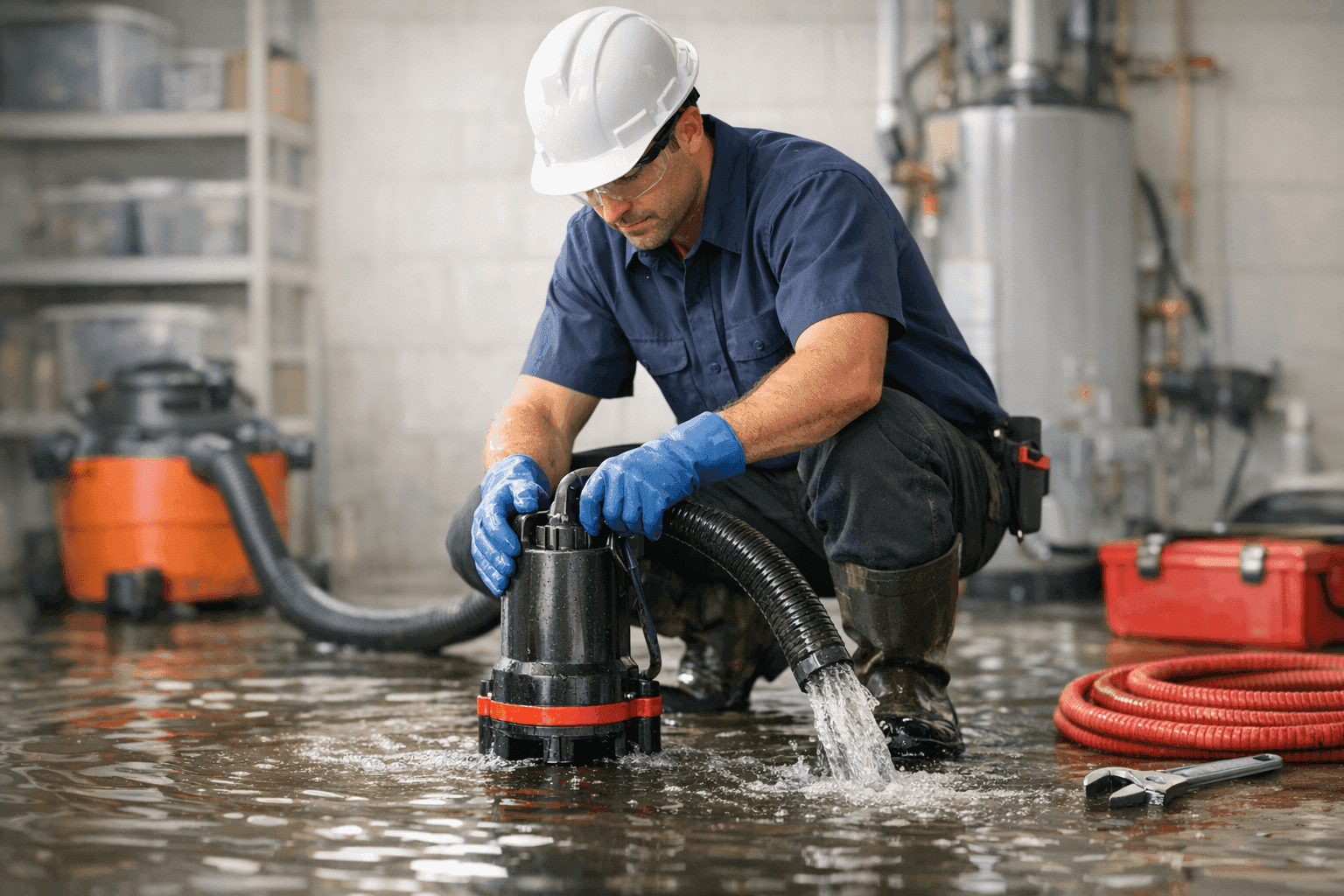
When water gushes where it shouldn’t, panic isn’t far behind. Whether you’re a home or business owner, just one burst pipe can turn your space upside down in minutes.
At Splash Plumbing, we know that plumbing problems don’t punch a time clock. A minor leak might wait. But true emergencies—those grab-you-by-the-collar moments—demand immediate, skilled response. Let’s break down the warning signs, the right moves, and how to keep damage (and costs) under control.
What Counts as a Plumbing Emergency? 🚨
Not every drip is a disaster. But some plumbing issues cross the line and need urgent, professional intervention. Here’s what to watch for:
- Flooding: Water pooling on floors, pouring from ceilings, or rising from drains is an SOS. Flooding can damage walls, floors, electrical systems, and possessions in minutes.
- Sewage Backup: If you smell rotten eggs or see brownish water bubbling from sinks or tubs, stop using water immediately. Sewage is a health hazard, plain and simple.
- Loss of Water: No water from your taps—especially in winter—could signal a frozen or burst pipe. This usually needs fast action.
- Gas Leaks: The faintest whiff of rotten eggs near gas appliances or lines? Leave the building. Gas leaks can be explosive.
- Burst Pipes: A sudden drop in pressure, water stains on walls, or hissing sounds may mean a pipe has split. The longer it runs, the bigger the repair.
Certain emergencies are obvious, while others can sneak up on you. Trust your senses—if something feels dangerously wrong, don’t wait.
Red Flags You Can’t Ignore
Some symptoms start small but escalate fast. Here’s what to look out for:
- Persistent dripping or hissing near pipes or appliances.
- Sounds of water running when everything is off.
- Wet spots, swelling, or discoloration on walls, ceilings, or floors.
- Foul odors, especially near drains or outside cleanouts.
- Slow drainage that suddenly worsens.
If you notice any of these, act quickly. Don’t assume it will “work itself out.” Plumbing rarely does.
Immediate Actions to Take
When a crisis hits, seconds count. Here’s your checklist before the professionals arrive:
- Shut Off the Water: Know where your main valve is—it’s usually in the basement, utility room, or outside wall. Turn it off clockwise.
- Switch Off Power: If water is near outlets or appliances, cut power at the breaker box. Safety first.
- Evacuate if Needed: If you even suspect a gas leak, leave immediately. Open windows on your way out.
- Contain the Damage: Use towels or buckets to soak up water, if safe. Move valuables out of harm’s way.
- Call for Help: Once immediate risks are managed, contact Splash Plumbing for emergency plumbing assistance.
Refer to your building codes and always put safety above all—local guidelines from the International Plumbing Code (IPC) and National Fire Protection Association (NFPA) are designed for good reason.
Flooding: When Every Minute Matters
Water moves fast. In the time it takes to make a cup of coffee, an inch of water can ruin flooring, furniture, and walls. Mold can start growing within 24–48 hours.
- Common causes: Burst pipes, failed water heaters, clogged sump pumps, and sewer backups.
- What to do: After turning off water and power, clear the area. Don’t wade through standing water if you can’t see the bottom—there could be hazards below.
Professional-grade pumps, moisture meters, and dehumidifiers are often needed to restore your space and prevent long-term problems.
Sewage Backup: A Hidden Health Threat
A sewage backup is more than a mess. It exposes you to harmful bacteria and viruses. The Centers for Disease Control and Prevention (CDC) warns against handling sewage without proper protection.
- Don’t use any plumbing fixtures until the blockage is cleared.
- Evacuate if backup is severe or spreading.
Keep people and pets away. Only trained plumbers with protective gear should handle this situation.
Gas Leaks: Silent and Deadly
Natural gas is odorless—so suppliers add mercaptan to give it that “rotten egg” smell. Even a faint scent can mean trouble.
- Never use switches, phones, or lighters inside if you suspect a leak.
- Immediately evacuate and call your local gas supplier or fire department.
Gas safety checks are not something to “DIY.” Let trained technicians handle detection and repairs.
Burst Pipes: Winter’s Worst Nightmare
Cold snaps are notorious for pipe bursts, especially in unheated spaces. Signs include:
- Sudden water pressure loss.
- Unusual noises—banging, hissing, or whistling.
- Frost on exposed pipes.
If you suspect a burst, turn off your main water valve and call for help. Quick action can limit water damage, especially in basement or attic spaces.
Loss of Water: Don’t Wait and See
When every tap goes dry, it’s rarely a coincidence. Possible culprits:
- Frozen pipes.
- Broken main lines outside your property.
- Major leaks behind walls or under slabs.
If it’s winter, open cabinet doors to let warm air circulate around pipes. Never use open flames to thaw pipes—use a hair dryer on low, if safe, or call for professional help.
Leak Detection: Don’t Ignore the Drip
That slow drip may seem harmless, but leaks waste water and can erode foundations, encourage mold, and spike your bills. Modern leak detection uses acoustic and infrared technology to pinpoint hidden trouble.
For a closer look at how leaks are found and fixed, see our pipe repair and leak detection services.
Emergency Plumbing: When Is It Time to Call?
Here’s a quick checklist. Call Splash Plumbing if:
- Water or sewage is flowing where it shouldn’t.
- You have no water or no hot water.
- Water stains, puddles, or musty smells appear overnight.
- You spot bubbling, hissing, or hear running water with all fixtures off.
- You smell gas, even faintly, near appliances or meters.
If you’re not sure, err on the side of caution. Emergencies don’t wait for business hours.
What Professionals Do On Arrival
Expect a clear, step-by-step approach. Here’s what happens when Splash Plumbing arrives:
- Assessment: Inspect the problem area, shut off water/gas if you haven’t already.
- Diagnosis: Use specialized tools—thermal cameras, moisture meters, and sewer cameras to spot hidden trouble.
- Containment: Stop leaks or blockages, set up pumps or fans as needed.
- Repair: Address the root cause—replace pipes, clear clogs, or repair fixtures.
- Safety Checks: Test for lingering hazards—mold, gas, or electrical risks—before declaring the job done.
Professional plumbers follow local plumbing codes and safety standards at every step.
Long-Term Damage Prevention
Emergency plumbing is about more than quick fixes. Here’s how to keep future disasters at bay:
- Schedule regular preventative maintenance—annual inspections, water pressure checks, and backflow testing.
- Fix small leaks fast, before they become big ones.
- Insulate pipes ahead of winter, especially in basements and attics.
- Install water alarms or smart leak detectors in vulnerable areas.
- Upgrade aging pipes and fixtures proactively, not reactively.
Remember, a little planning now can save a lot of heartache later.
DIY vs. Professional Response
Some jobs are okay for a handy homeowner—tightening a loose fitting, plunging a simple clog. But emergencies are different. The risks—property damage, mold, contaminated water, or gas exposure—are too high.
If you’re facing a true emergency, don’t gamble. The right tools and training matter. For complex problems, a licensed plumber brings the know-how to keep you safe and restore your home or business.
Common Mistakes to Avoid
- Delaying action: Waiting “just one more hour” can multiply damage.
- Improper shut-off: Not knowing your shutoff valves can make matters worse.
- Using harsh chemicals: Drain openers can damage pipes and create dangerous fumes.
- Trying to patch gas lines or major leaks: These require professional skills—don’t risk your safety.
Costs & Time Factors
Emergency plumbing work is often more intensive than scheduled jobs. Costs depend on:
- The severity and location of the problem.
- Time of day (nights, weekends, and holidays may add complexity).
- Materials and parts needed.
Speedy response can minimize both damage and downtime. Always ask your plumber for a clear explanation of work and estimated timeline.
Seasonal Considerations
Winter brings frozen pipes; summer storms can flood basements. In areas like Enterprise, NV, weather swings mean plumbing systems work overtime. Schedule seasonal checkups and be proactive about insulation and sump pump testing.
Prevention & Maintenance Tips
- Know where all shut-off valves are located.
- Test your sump pump before heavy rain.
- Flush water heaters annually to prevent mineral buildup.
- Check for slow drains and address them early.
- Install backflow prevention devices, especially if your area is prone to flooding.
Consult the International Plumbing Code or your local building department for specific recommendations in your area.
Frequently Asked Questions
Q: How fast should I act in a plumbing emergency?
Immediately. Every minute can add to the damage and repair costs.
Q: Can I use my plumbing if only one drain is slow?
If sewage is backing up, stop using all water immediately. For isolated slow drains, call for service soon.
Q: What’s the best way to prevent emergencies?
Regular inspections, prompt repairs, and knowing your shut-off valves are key.
Q: Are emergency plumbing services available after hours?
Yes. Plumbing doesn’t wait for business hours. Splash Plumbing is ready whenever you need us.
When to Prepare for Service
Once you’ve called for help:
- Clear the area for access.
- Have information ready—when the problem started, what you’ve already done.
- Keep pets and children away from problem areas.
- If you’re in a commercial setting, alert building managers and staff.
Preparation helps speed up repairs and limits business or home disruption.
Conclusion: Your Safety Comes First
Plumbing emergencies are stressful, but fast, calm action makes all the difference. Save our number, know your shut-off valves, and don’t hesitate to call for help if you spot the warning signs. Whether it’s a burst pipe, a gas leak, or flooding at 2 a.m., Splash Plumbing is here to respond with skill and care.
Call Splash Plumbing now — or reach us anytime at 877-879-0650 .