Understanding Water Pressure Issues in Homes & Businesses
Is your morning shower more of a drizzle than a downpour? Tired of kitchen faucets sputtering like a leaky garden hose? Water pressure problems can sneak into any home or business, slowly turning daily routines into frustrating chores.
At Splash Plumbing, we know water pressure is more than just convenience—it's about keeping your appliances, pipes, and peace of mind intact. Let’s break down how to spot the trouble, what causes it, and how you can get back to steady flow.
Signs of Water Pressure Problems 🚰
Water pressure issues don’t always shout for attention. Sometimes, they whisper. Watch for these early signs:
- Sudden drops in shower or sink flow—like switching from a waterfall to a gentle stream.
- Toilets taking longer to refill, or barely flushing.
- Washing machines or dishwashers stalling mid-cycle.
- Faucet water sprays unevenly, spits air, or pulses.
- Noisy pipes—rattling, banging, or whistling when you turn on the tap.
- Neighbors report normal pressure, but yours is off.
Pro tip: If only one fixture is affected, the problem is likely local. If it’s the whole building, the issue runs deeper.
Why Water Pressure Matters
Think of water pressure like blood pressure for your plumbing. Too low, and daily life slows down. Too high, and appliances or pipes face hidden strain. Poor water pressure can:
- Damage washing machines and dishwashers.
- Cause tankless water heaters to shut off.
- Lead to inconsistent hot water.
- Shorten the lifespan of pipes and fixtures.
- Trigger backflow—where dirty water pushes into clean supply lines.
The longer pressure problems go unchecked, the greater the risk to your system.
Common Causes of Water Pressure Issues
Water pressure isn’t a single switch. It’s a balance act, with multiple players behind the scenes. Here are the usual suspects:
- Clogged or corroded pipes: Minerals, debris, or rust can choke water’s path.
- Pressure regulator failure: This valve keeps pressure steady. If it fails, pressure swings wildly.
- Hidden leaks: Even a pinhole leak can drain pressure—and your wallet—over time.
- Main shutoff valve not fully open: Sometimes, a simple twist can restore flow.
- Municipal supply disruptions: Utility work, main breaks, or seasonal demand spikes can zap pressure.
- Aging fixtures or appliances: Old aerators, valves, or hoses may be the weakest link.
According to the International Plumbing Code (IPC), residential water pressure should ideally rest between 40–80 psi for safe, reliable operation.
Quick Safety Checklist
Before you start poking around, remember: plumbing can pack a punch. A burst pipe or failed regulator may flood a room in seconds. Keep these safety tips in mind:
- Never force open a stuck valve—call a professional if it won’t budge.
- Shut off your main supply if you find a major leak.
- Watch for signs of water near electrical outlets or appliances—shut off power to affected zones.
- Gas lines or water heaters? Leave them to certified pros.
- Always follow local building codes and consult reputable resources, like the Uniform Plumbing Code (UPC).
How to Diagnose Water Pressure Problems
Getting to the root of pressure issues takes patience—and sometimes, a plumber’s toolkit. Here’s a step-by-step roadmap:
- Check multiple fixtures: Are all taps weak, or just one? If it’s isolated, focus there first.
- Inspect shutoff valves: Ensure the main and branch valves are fully open.
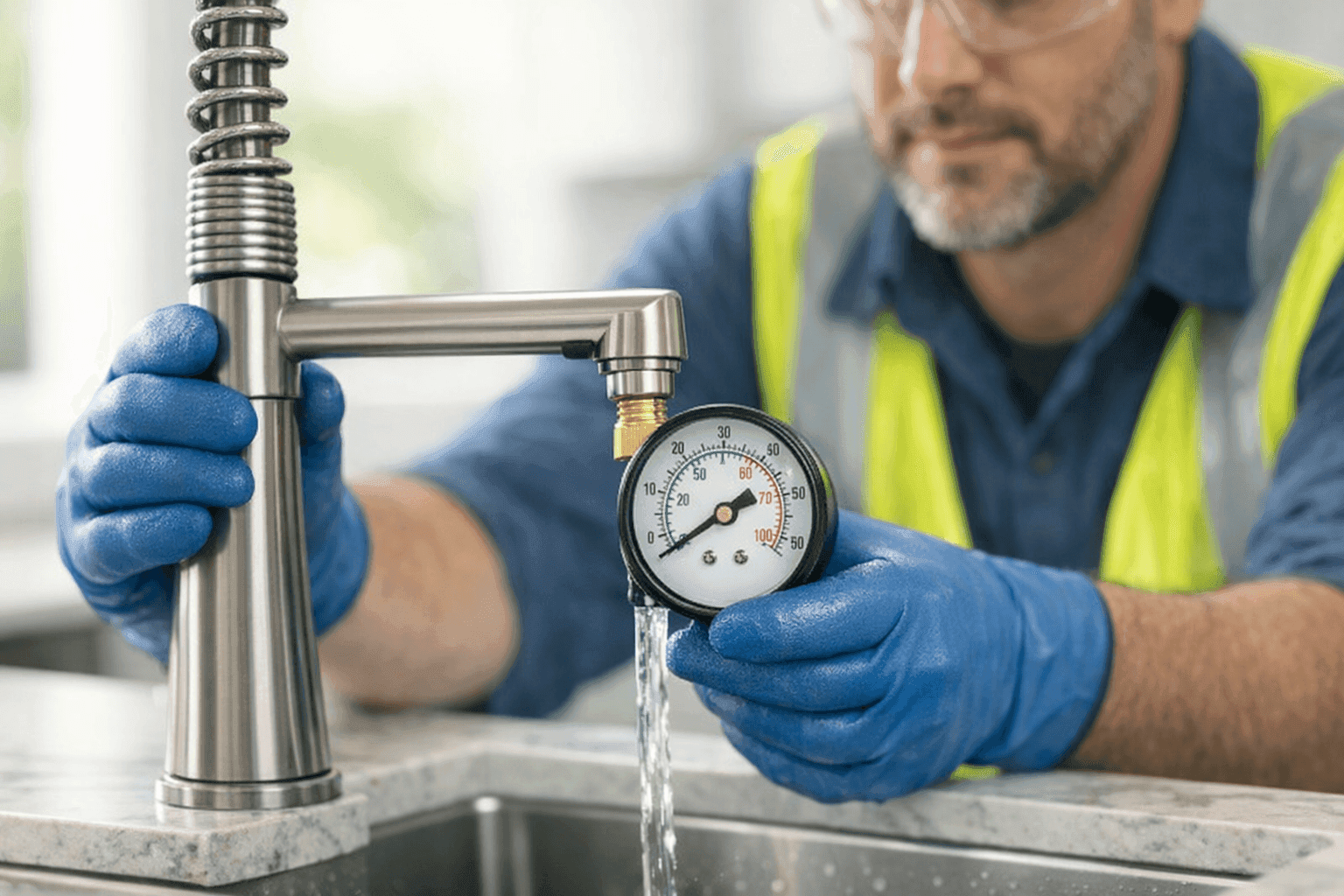
- Test with a pressure gauge: Screw a gauge onto an outdoor spigot. Readings below 40 psi or above 80 psi point to trouble.
- Look for visible leaks: Stains, puddles, or damp drywall are red flags.
- Clean aerators and screens: Minerals can clog these easily. Unscrew, rinse, and test.
- Ask your neighbors: If they’re fine, the issue is likely within your property.
- Check the pressure regulator: If you have one (often near the main shutoff), a faulty unit can cause wild swings.
Tip: Pressure issues aren’t always about flow. Sometimes, air in the lines can create odd noises or spurts.
DIY vs. Call a Pro
Some water pressure fixes are as simple as cleaning a faucet screen. Others? Not so much.
DIY-friendly:
- Cleaning aerators.
- Ensuring valves are open.
- Checking visible leaks under sinks.
Leave to the pros:
- Diagnosing and replacing failed regulators.
- Tracing hidden leaks inside walls or underground.
- Upgrading old or corroded pipes.
- Issues involving gas water heaters or municipal supply lines.
Remember, water and electricity don’t mix. If you’re ever unsure, err on the side of safety.
What Happens When Pressure Is Too High?
High pressure might seem like a luxury—until it isn’t.
- Pipe damage: Pipes expand and contract, straining joints and causing tiny leaks.
- Appliance breakdowns: Water heaters and dishwashers can fail prematurely.
- Water hammer: Loud banging in pipes from sudden stops in flow.
- Increased water bills: Leaks and waste add up quickly.
A pressure-reducing valve, installed and set correctly, prevents these headaches.
What Happens When Pressure Is Too Low?
Low pressure feels like trying to fill a bucket with a straw. Over time, it can:
- Reduce cleaning power for laundry and dishes.
- Make hot water inconsistent, especially in multi-story buildings.
- Slow down business operations that rely on steady flow.
Sometimes, low pressure hints at bigger issues—like a main supply line break or major leak.
What the Pros Do On Arrival
When you call in Splash Plumbing, here’s what to expect:
- Thorough inspection: We check all fixtures, valves, and visible supply lines.
- Pressure gauge testing: Accurate readings at different points in your system.
- Leak detection: Using advanced tools, we can pinpoint even the smallest leaks—sometimes before they cause visible damage.
- Fixture, pipe, and regulator assessment: We examine the age and condition of your system, from water heater installation near you to pipes and beyond.
- Clear, actionable plan: We explain findings and outline options, from simple repairs to full pipe upgrades.
Prevention & Maintenance Tips
Avoid pressure problems before they start:
- Schedule annual plumbing inspections.
- Flush water heaters to prevent sediment buildup (follow manufacturer guidelines).
- Clean faucet aerators regularly.
- Replace aging hoses on washing machines and dishwashers.
- Know your system’s pressure—test with a gauge once a year.
- Address small leaks or drips promptly.
Routine checks can catch small issues before they become big, expensive ones.
When It’s an Emergency
Some pressure issues just can’t wait.
- Burst pipes or major leaks.
- Sudden, total loss of water pressure.
- Water backing up from drains or toilets.
- Wet walls, ceilings, or unexplained indoor puddles.
In these cases, shut off your main water supply and call us right away. If you’re in the region, you’ll find locally responsive support through our Moorhead service team in urgent situations.
Seasonal Considerations
Water pressure isn’t immune to the seasons. Winter brings frozen pipes, which can block flow or burst when thawed. Summer construction or municipal work can disrupt supply lines. If you notice sudden pressure changes after a cold snap or city utility work, inspect exposed pipes and check your pressure gauge.
Common Mistakes to Avoid
- Ignoring small leaks—they rarely fix themselves.
- Over-tightening shutoff valves or fittings, which can cause cracks.
- Attempting regulator or main valve replacement without proper tools or permits.
- Using chemical drain cleaners, which can corrode pipes and worsen blockages.
Timeline & Disruption: What to Expect
Most minor fixes—like aerator cleaning or valve checks—take under an hour. Replacing a pressure regulator or repairing buried leaks can stretch to several hours or more. Major pipe replacements or repiping projects may require a day or two, especially for older buildings.
We work to minimize disruption, keep dust and debris contained, and restore water as quickly as possible.
Costs & Time Factors
Costs depend on the root cause. Simple fixes, like clearing aerators or replacing a valve, are affordable. Hidden leaks, regulator failures, or aging pipe replacement are more involved. Splash Plumbing will always explain your options up front, so there are no surprises.
FAQ: Water Pressure Edition
Q: Can I ignore a slow drip or small drop in pressure?
A: Small problems grow. Drips add up, and pressure swings can damage pipes or appliances.
Q: Is high water pressure dangerous?
A: Yes—long-term, it strains pipes and fixtures, leading to leaks or bursts.
Q: Can I install a pressure regulator myself?
A: Regulator installation often requires professional tools and knowledge of local code. Best left to a licensed plumber.
Q: Will a new water heater fix my pressure issue?
A: Not always. If your heater is old or clogged, replacement may help. But if the problem is elsewhere, it won’t solve the root cause.
Long-Term Solutions for Lasting Results
Water pressure problems can be tricky, but with the right diagnosis and repair, you’ll enjoy steady flow for years. Whether you need targeted pipe repair, leak detection, or a full system upgrade, Splash Plumbing is ready to help.
Call Splash Plumbing now — or reach us anytime at 877-879-0650 .