Water Filtration Systems: Types, Benefits & Installation Tips
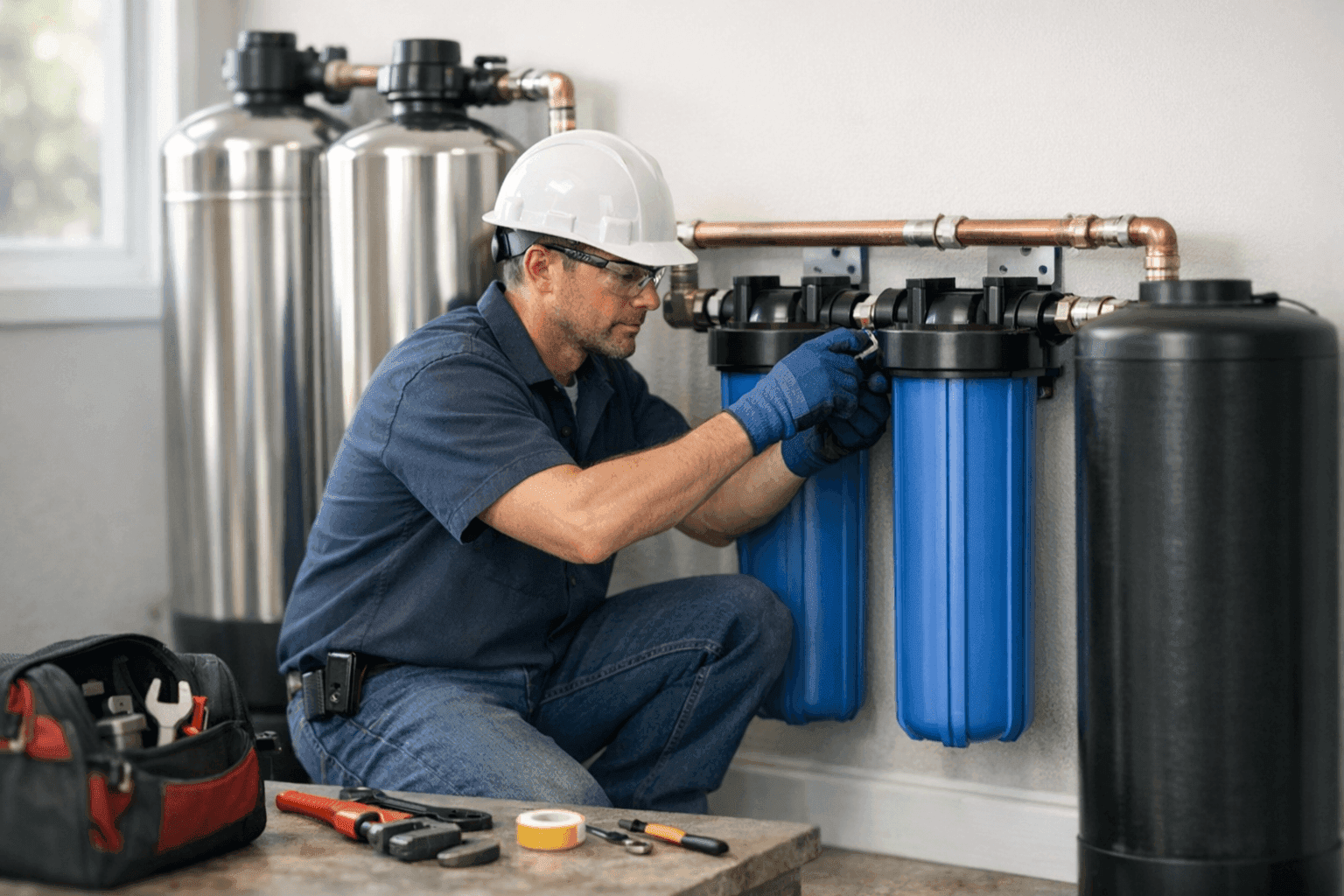
Clean water isn’t just a luxury—it’s a necessity for every family and business. Whether you’re filling a glass at the kitchen sink or running a commercial dishwasher, water quality touches every part of your day. At Splash Plumbing, we see firsthand how the right filtration system can turn questionable tap water into a trusted source.
If you’ve ever noticed odd tastes, stains, or even just wondered what’s really coming out of your faucet, you’re not alone. Water filtration is more than a “nice-to-have”—it’s a smart investment in your health, your appliances, and your peace of mind.
Why Water Filtration Matters 💧
Picture your plumbing as a city’s network of roads. Over time, debris, chemicals, and even microscopic hitchhikers can sneak in and travel through those pipes. Without a filter, every glass you fill could carry more than just water.
- Health protection: Removes chlorine, lead, bacteria, and pesticides.
- Taste and smell: Eliminates that “swimming pool” flavor or musty odor.
- Appliance lifespan: Prevents mineral buildup in water heaters and dishwashers.
- Peace of mind: Know exactly what you’re drinking and using.
The EPA and CDC both recommend regular water quality testing, especially if you notice changes in taste, color, or odor. If you use well water or live in an area with older pipes, filtration becomes even more critical.
Types of Filtration Systems
Not all filters are built the same. Think of them as different tools in a plumber’s toolbox—each with a unique purpose.
Activated Carbon Filters
These are the workhorses of water filtration. Activated carbon acts like a sponge, trapping impurities as water passes through.
- Best for: Removing chlorine, volatile organic compounds (VOCs), and bad tastes.
- Common uses: Pitcher filters, faucet attachments, under-sink units.
- Limitations: Won’t catch dissolved minerals or heavy metals.
Reverse Osmosis (RO) Systems
RO is like a bouncer at the club—only the purest water molecules get through. Using a semipermeable membrane, it blocks contaminants at the molecular level.
- Best for: Lead, nitrates, arsenic, fluoride, and even some bacteria.
- Common uses: Under-sink drinking water systems.
- Considerations: Wastes some water during filtering; may require a storage tank.
Whole-House Filtration
Imagine a security checkpoint at your home’s front door. Whole-house systems filter every drop before it reaches any tap, shower, or appliance.
- Best for: Homes with sediment, iron, or hard water issues.
- Common uses: Installed where water enters the building.
- Features: Multiple stages—sediment, carbon, and sometimes UV for bacteria.
For a deeper dive into water filtration systems, explore the range of options available for both residential and commercial needs.
How to Choose the Right System
Choosing a filter isn’t just about grabbing the first box on the shelf. It’s about matching your water’s unique fingerprint with the right solution.
- Test your water: Use certified labs or home test kits to check for lead, hardness, chlorine, and bacteria.
- Know your needs: Do you want filtered water at every tap or just for drinking?
- Consider flow rate: Some filters slow water down. Make sure your system keeps up with your household or business demands.
- Check certifications: Look for NSF or WQA marks to ensure filters meet performance standards.
Installation Tips: Doing It Right the First Time
Installing a filtration system is like baking bread—precision matters. A small mistake can mean leaks, wasted filters, or even water damage.
- Shut off water supply: Always start by turning off the main valve.
- Measure twice: Make sure pipes and fittings match your system.
- Follow instructions: Manufacturer guidelines aren’t just suggestions.
- Watch for leaks: After installation, run water and check every joint.
- Consider professional help: Especially for whole-house or reverse osmosis systems.
If you’re unsure about your DIY skills, a licensed plumber can ensure safe, code-compliant installation. This is especially important for systems that tap directly into your main water line.
Common Mistakes to Avoid
Even the best intentions can go sideways. Here are pitfalls we see all too often:
- Ignoring water pressure: Some filters can reduce flow if not sized correctly.
- Skipping pre-filters: Sediment can clog finer filters in no time.
- Using the wrong filter: Not all cartridges fit every system—mixing them up can limit effectiveness.
- Forgetting to flush: New filters need a good rinse before use to wash away carbon dust.
Safety Checklist Before You Start 🛠️
- Read all instructions and safety warnings.
- Wear gloves and eye protection if handling chemicals or cutting pipes.
- Confirm compatibility with your plumbing (copper, PVC, PEX, etc.).
- Check local plumbing codes for any permits or backflow prevention requirements.
DIY or Call a Pro?
Some jobs are like changing a lightbulb. Others are more like rewiring your house. Simple pitcher or faucet filters are usually DIY-friendly. Whole-house and reverse osmosis systems? Not so much.
- DIY: Pitcher, countertop, most under-sink filters.
- Call a pro: Whole-house, reverse osmosis, or any system that ties into your main line.
Professional installation ensures your system meets plumbing code, avoids leaks, and maximizes the life of your investment. Plus, a plumber can help spot other issues—like aging pipes or hidden leaks—before they become expensive surprises.
What Professionals Do On Arrival
When a plumber arrives to install or service a filtration system, here’s what you can expect:
- Inspect existing plumbing for compatibility and condition.
- Test water pressure and quality.
- Recommend the best system based on your needs.
- Install the unit, check for leaks, and ensure proper operation.
- Walk you through maintenance and filter changes.
Ongoing Care and Maintenance
A water filter isn’t a “set it and forget it” device. Like changing the oil in your car, regular upkeep keeps everything running smoothly.
- Replace filters: Follow the manufacturer’s schedule—usually every 6–12 months.
- Sanitize the system: Some units need periodic cleaning to prevent bacteria growth.
- Monitor water quality: Retest your water yearly or if you notice changes.
- Check for leaks: Inspect fittings and tanks during filter changes.
Our preventative maintenance services can help keep your system in peak shape, so you never have to worry about what’s in your water.
Signs Your Filter Needs Attention
Don’t wait for a problem to bubble up. Watch for:
- Water tastes or smells strange.
- Pressure drops at faucets.
- Visible sediment in filtered water.
- Filter change indicator lights (if your system has them).
A neglected filter can actually make water quality worse, so stay ahead of the curve.
Costs & Time Factors
- Pitcher & faucet filters: $20–$100, install in minutes.
- Under-sink systems: $100–$500, about 1–2 hours to install.
- Whole-house systems: $800–$3,000+, professional install recommended, 2–4 hours.
Prices vary based on brand, capacity, and local plumbing rates. Factor in ongoing filter replacement costs, too.
When It’s an Emergency
If your water suddenly turns cloudy, smells foul, or you notice a sudden drop in pressure, act quickly. Shut off your main valve and call a licensed plumber. Waterborne contaminants can cause health issues fast.
If you’re searching for Warner Robins plumbing services during an emergency or for routine upgrades, it’s important to have help nearby that understands local water conditions.
Prevention & Maintenance: Protecting Your Investment 🛡️
Routine care is the best way to avoid surprise repairs. Schedule filter changes, monitor water quality, and keep an eye out for leaks or corrosion. Preventative steps today can save you costly headaches tomorrow.
Seasonal Considerations
- Winter: Insulate pipes and filtration units to prevent freezing.
- Spring: Check for leaks after thawing and heavy rains.
- Summer: Increased water use may require more frequent filter changes.
- Fall: Inspect outdoor filtration components before colder weather.
Frequently Asked Questions
How often should I change my water filter?
Most need replacement every 6–12 months, but always check your specific model.
Can filtration systems remove bacteria and viruses?
Some can—especially those with UV or reverse osmosis stages. Always match your system to your water’s needs.
Is filtered water safe for pets and plants?
Absolutely! In fact, it’s often better for both.
Will a filter fix hard water problems?
Not always. You may need a water softener in addition to a filter if you have high mineral content.
Preparing for Service
Before your plumber arrives:
- Clear the area under sinks or near your main water line.
- Have recent water test results handy.
- Know your household’s average water use.
This helps your technician work efficiently and ensures you get the best possible setup.
Final Thoughts
Clean water is more than a convenience—it’s a foundation for health, comfort, and peace of mind. With the right water filtration systems, you can protect your family, your business, and your plumbing for years to come. For long-term reliability, don’t forget about ongoing preventative maintenance to keep everything in top shape.
Call Splash Plumbing now — or reach us anytime at 877-879-0650 .