Water Heater Repair vs. Replacement: How to Decide
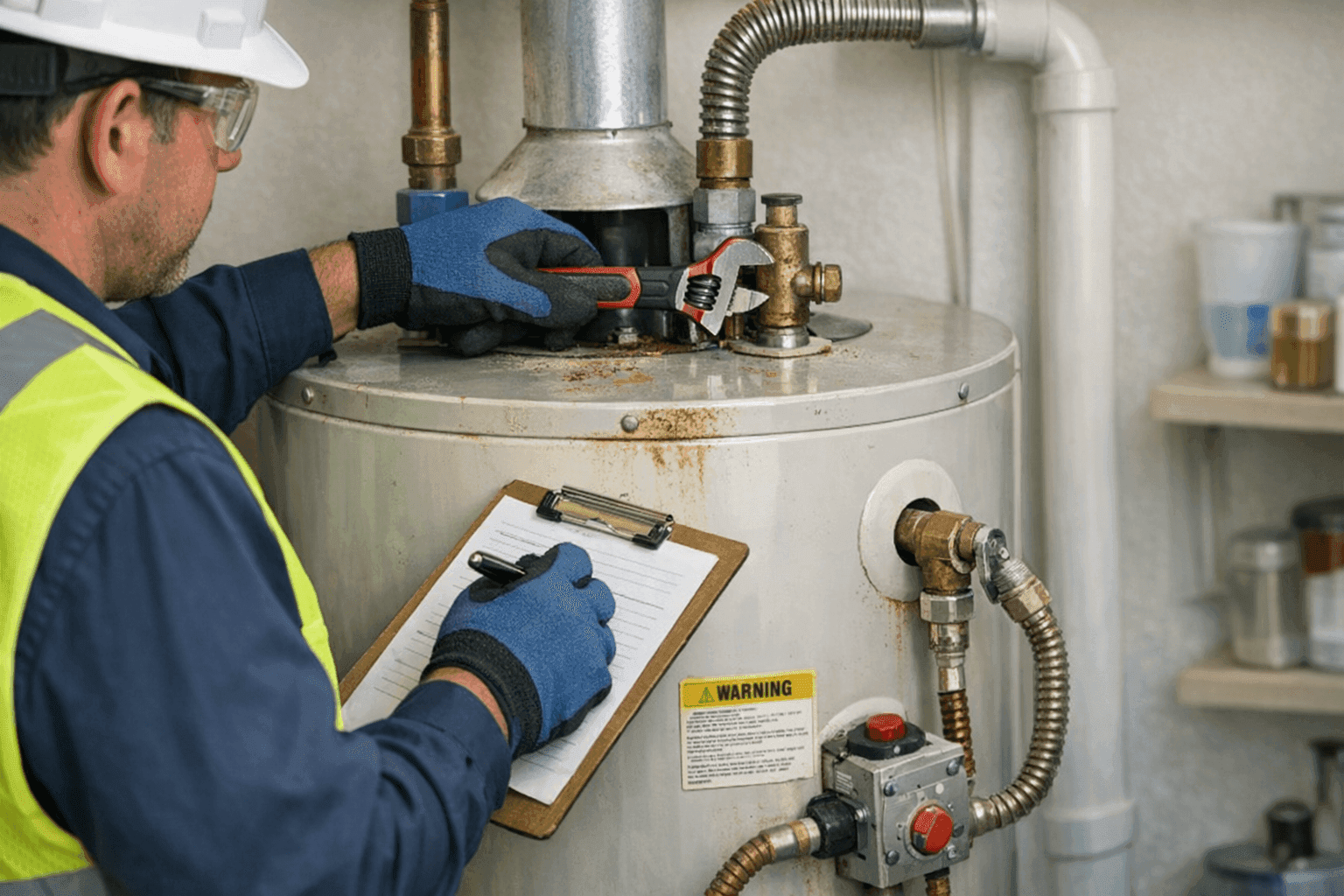
Is your water heater giving you the cold shoulder? Maybe it’s making strange noises, or your morning shower is suddenly more “polar plunge” than “spa day.” When your water heater acts up, it’s natural to wonder: should you repair it, or is it time for a replacement?
At Splash Plumbing, we know this decision isn’t always straightforward. Let’s break down the warning signs, costs, and what to expect—so you can make a choice that’s right for your home, business, and budget.
Warning Signs of Water Heater Trouble 🚨
Your water heater often whispers before it shouts. Here are the red flags to watch for:
- Lukewarm or cold water: The obvious one. If your hot water runs out quickly or never heats up, something’s off.
- Strange noises: Rumbling, popping, or banging can mean sediment buildup or failing parts.
- Leaks or puddles: Even a small drip can signal internal tank failure.
- Rusty water: Brown or orange-tinted hot water points to corrosion inside the tank.
- Fluctuating water pressure: Inconsistent flow from your taps may relate to your heater.
- Age: Most traditional tank water heaters last 8–12 years. Tankless models can stretch to 20, but not without regular care.
If you spot any of these signs, don’t wait. Water heaters rarely fix themselves, and some issues can escalate fast.
Quick Safety Checklist
Before you do anything, safety comes first:
- Turn off power/gas: Electric units—shut off the breaker. Gas models—turn the gas valve to “off.”
- Shut the water supply: Twist the cold water valve clockwise.
- Check for gas smells: If you suspect a leak, leave the area and contact your gas provider immediately.
- Let the unit cool: Hot water and steam can cause burns.
Never open a water heater panel or gas connection if you’re unsure. When in doubt, call a licensed plumber.
Repair vs. Replacement Criteria
Deciding between repair and replacement is like weighing whether to patch an old tire or invest in new wheels. Here’s what to consider:
When Repair Makes Sense
- Unit is under 8 years old
- Minor issues: Heating element, thermostat, or valve replacements are usually fixable.
- No major leaks: Small leaks at fittings can often be repaired.
- Cost of repair is less than half the price of a new unit
Routine water heater repair can extend the life of your system and restore comfort quickly.
When Replacement Is Smarter
- Unit is 10+ years old
- Corroded tank: Once rust eats through, repairs aren’t safe or reliable.
- Frequent breakdowns: Multiple calls in a year add up fast.
- Major leaks: Water pooling under the tank often signals internal failure.
- Efficiency loss: Old units may spike your energy bills.
- Repair costs exceed 50% of replacement price
Modern models are more efficient and safer. Consider water heater installation if your unit is nearing the end of its lifespan.
Typical Water Heater Lifespans
- Traditional tank: 8–12 years (with regular maintenance)
- Tankless: 15–20 years (well-maintained)
- Signs of early failure: Hard water, skipped maintenance, or improper installation can shorten these timelines.
Refer to your manufacturer’s manual and the Uniform Plumbing Code for local standards. Always check if your warranty is still active before deciding.
Repairable vs. Non-Repairable Issues
Not all problems are created equal. Some are quick fixes; others spell the end.
Commonly Repairable
- Faulty thermostat
- Broken heating element
- Leaky fittings or valves
- Pilot light or ignition issues
- Minor sediment buildup
Non-Repairable (or Not Worth Repairing)
- Tank corrosion or rust-through
- Severe scaling inside the tank
- Repeated pressure relief valve failures
- Cracked tank (not just at fittings)
If you’re not sure where your issue falls, a licensed plumber can diagnose it quickly.
Cost Comparison: Repair vs. Replacement
Money matters. Here’s how the costs typically stack up:
- Repair: $150–$600+ (depending on parts and labor)
- Replacement: $1,200–$3,500+ (for new unit, installation, and disposal)
Hidden costs to watch for:
- Energy bills: Older units are less efficient.
- Water damage: Leaks can cause expensive property repairs.
- Lost warranty: DIY fixes or unlicensed work can void coverage.
Don’t forget to factor in potential rebates for energy-efficient models—check with your local utility.
Professional Assessment: What to Expect
A plumbing technician does more than just peek at your tank. Here’s what a professional assessment should include:
- Visual inspection for leaks, corrosion, or damage
- Testing heating elements and thermostats
- Checking gas lines and venting (for gas units)
- Measuring water pressure and temperature
- Reviewing maintenance records and installation quality
This thorough approach helps pinpoint the root cause and prevents repeat problems.
DIY Fixes vs. Calling a Pro
Some issues—like relighting a pilot light or resetting a breaker—are safe for handy homeowners. But most repairs, especially those involving gas, electricity, or pressurized water, demand a licensed plumber.
Attempting complex repairs yourself can risk injury, property damage, or code violations. The International Association of Plumbing and Mechanical Officials (IAPMO) recommends professional help for anything beyond basic troubleshooting.
Timeline & Disruption: What You Should Expect
- Repairs: Most can be completed in 1–3 hours, depending on complexity.
- Replacement: Allow half a day for removal, installation, and testing.
- Water shutoff: Expect a short period without water during service.
Planning ahead minimizes inconvenience—especially for businesses or busy households.
Warranty Implications
Check your warranty before authorizing repairs or a new installation. Many warranties require licensed service and specific parts. DIY fixes or skipped maintenance can void coverage, leaving you with the full bill.
Keep all receipts and records of service; they may be needed for future claims.
When It’s an Emergency
Certain issues can’t wait:
- Major leaks or flooding
- Gas smells or suspected leaks
- No hot water for essential needs (healthcare, childcare, etc.)
If you’re in the area and need immediate Bozeman plumbing services, Splash Plumbing is ready to help 24/7.
Seasonal Considerations
Cold snaps can stress older water heaters, leading to sudden failures. Before winter, schedule preventative maintenance to flush sediment and check vital components. This can help you avoid surprise breakdowns during the busiest months.
Preventative Maintenance: Your Best Defense 🛠️
A little care goes a long way. Annual inspections and flushes can double your heater’s lifespan. Ask your plumber about:
- Flushing sediment from the tank
- Inspecting anode rods (they fight corrosion)
- Checking pressure relief valves
- Testing thermostats and heating elements
Regular checkups keep your water heater—and your mornings—running smoothly.
Common Mistakes to Avoid
- Ignoring small leaks or noises
- Delaying service until a total breakdown
- Attempting complex repairs without training
- Forgetting to check your warranty
A proactive approach saves money and headaches.
Preparing for Service
Before your plumber arrives:
- Clear the area around the heater
- Write down any symptoms or changes you’ve noticed
- Locate your unit’s make, model, and serial number
This helps your technician diagnose issues faster and recommend the right fix.
Frequently Asked Questions
Q: How do I know if my water heater is too old?
A: Check the serial number for the manufacture date. If it’s over 10 years old, replacement may be more cost-effective.
Q: Can I switch from a tank to a tankless system?
A: Yes, but this may require additional plumbing or electrical work. Discuss options with your plumber.
Q: How often should I schedule maintenance?
A: At least once a year, or more frequently if you have hard water.
The Bottom Line
Deciding between repair and replacement is a balance between safety, cost, and comfort. If your water heater is young and the fix is simple, repair is often the way to go. But for older units with major issues, replacement brings peace of mind and efficiency.
Ready to take the next step? Call Splash Plumbing now — or reach us anytime at 877-879-0650 .